What Causes It Around Here
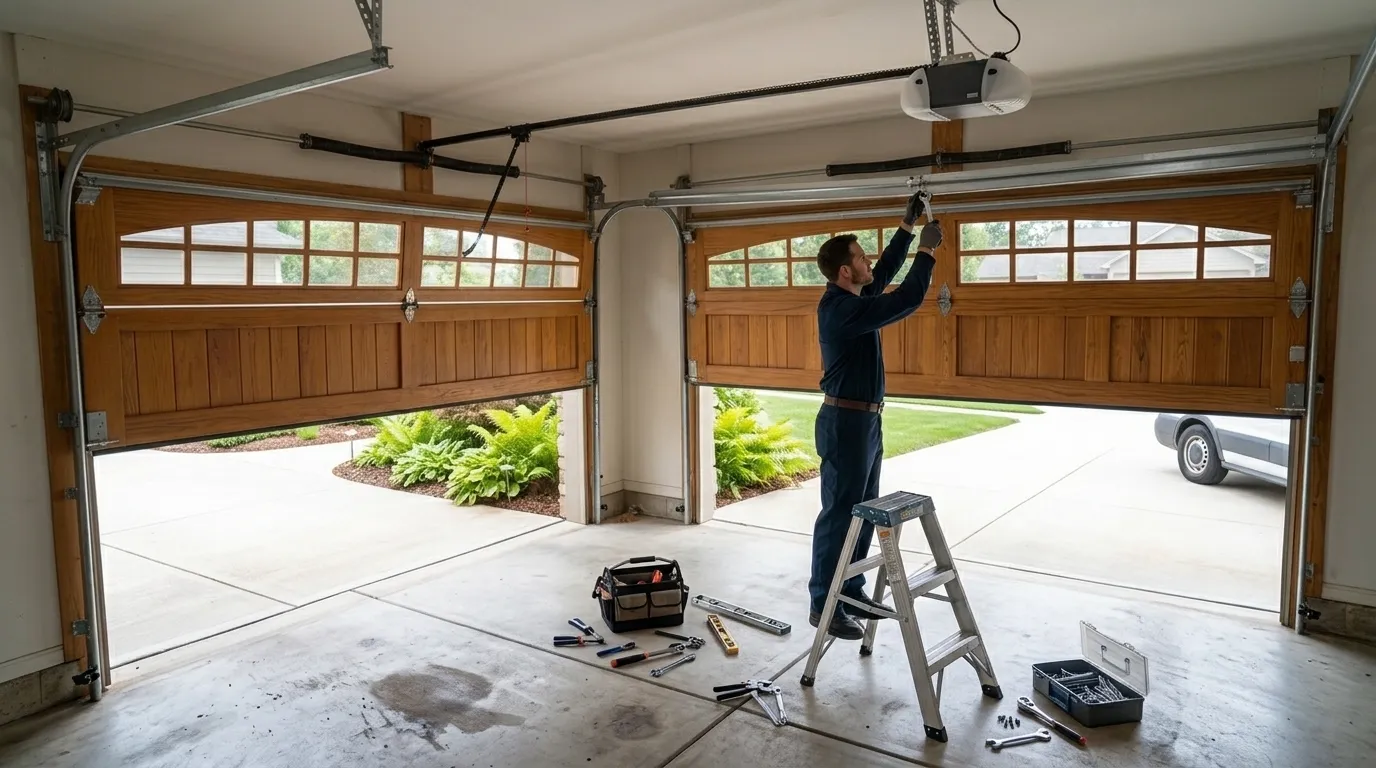
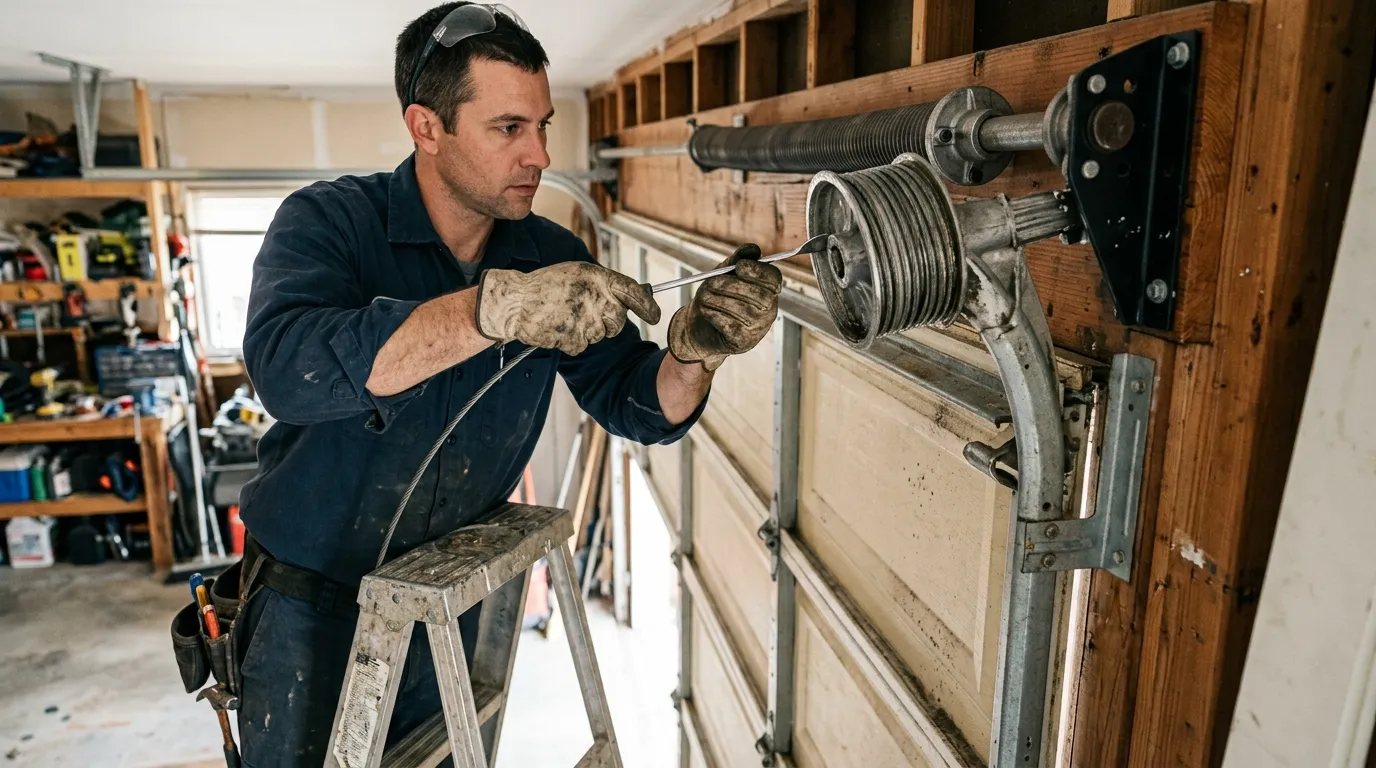
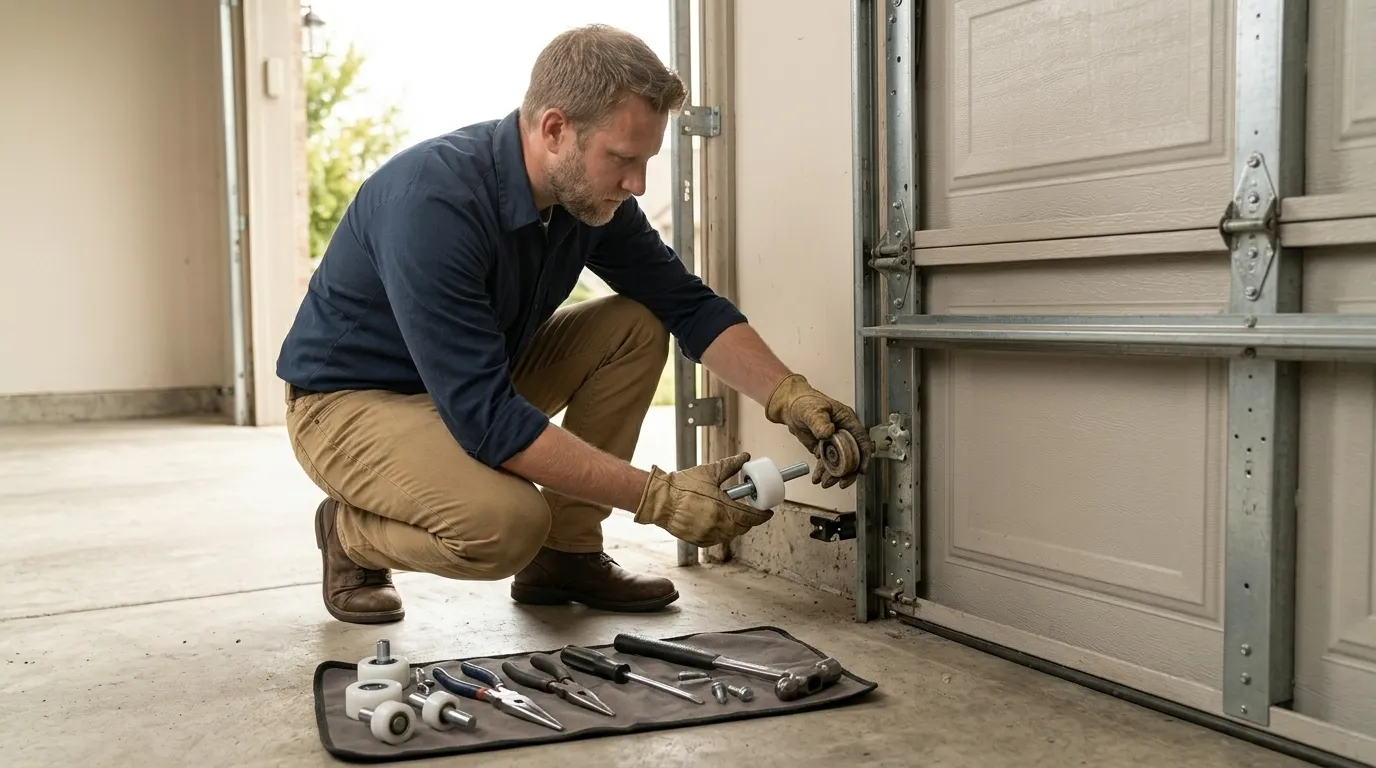
A lot of San Marcos install calls aren't from doors that broke outright - they're from doors that were installed when the house was built in the 80s or 90s and have simply worn past the point of a sensible repair. Original steel panels from that build era don't hold up the same way current insulated panels do, and after two or three decades of the mild-with-occasional-freeze swings this area gets, the hardware fatigues even when the door still looks fine from the driveway. That mild band with the occasional freeze is the specific part - it's not extreme cold that does the damage, it's the repeated small temperature swings working on springs and rollers year after year on hardware that's original to a 1990s build. Across the sixteen communities we work in near San Marcos, that 1980s-90s stock is the dominant profile, so this isn't a one-house issue, it's a neighborhood-wide pattern.
How It Shows Up
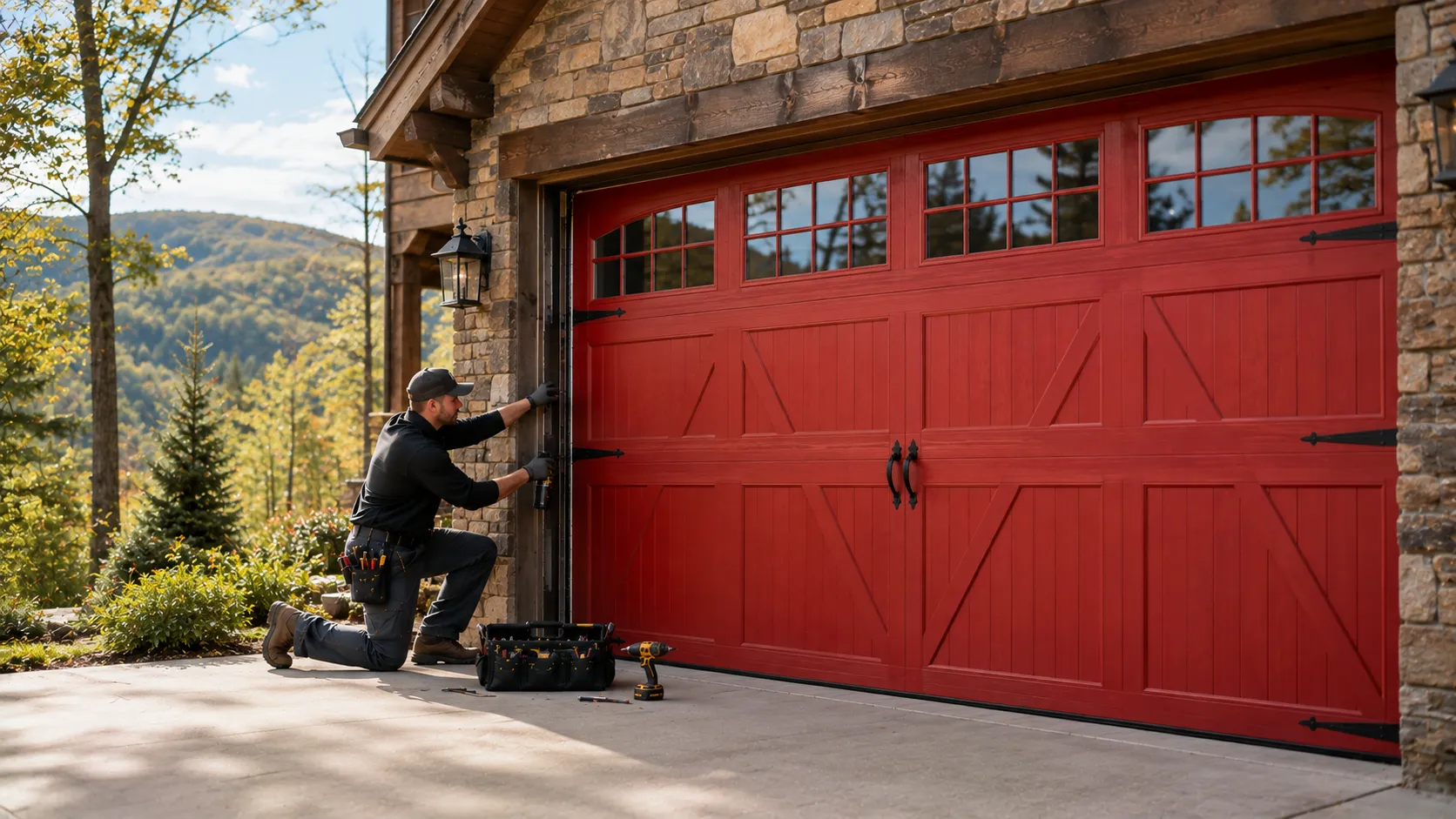
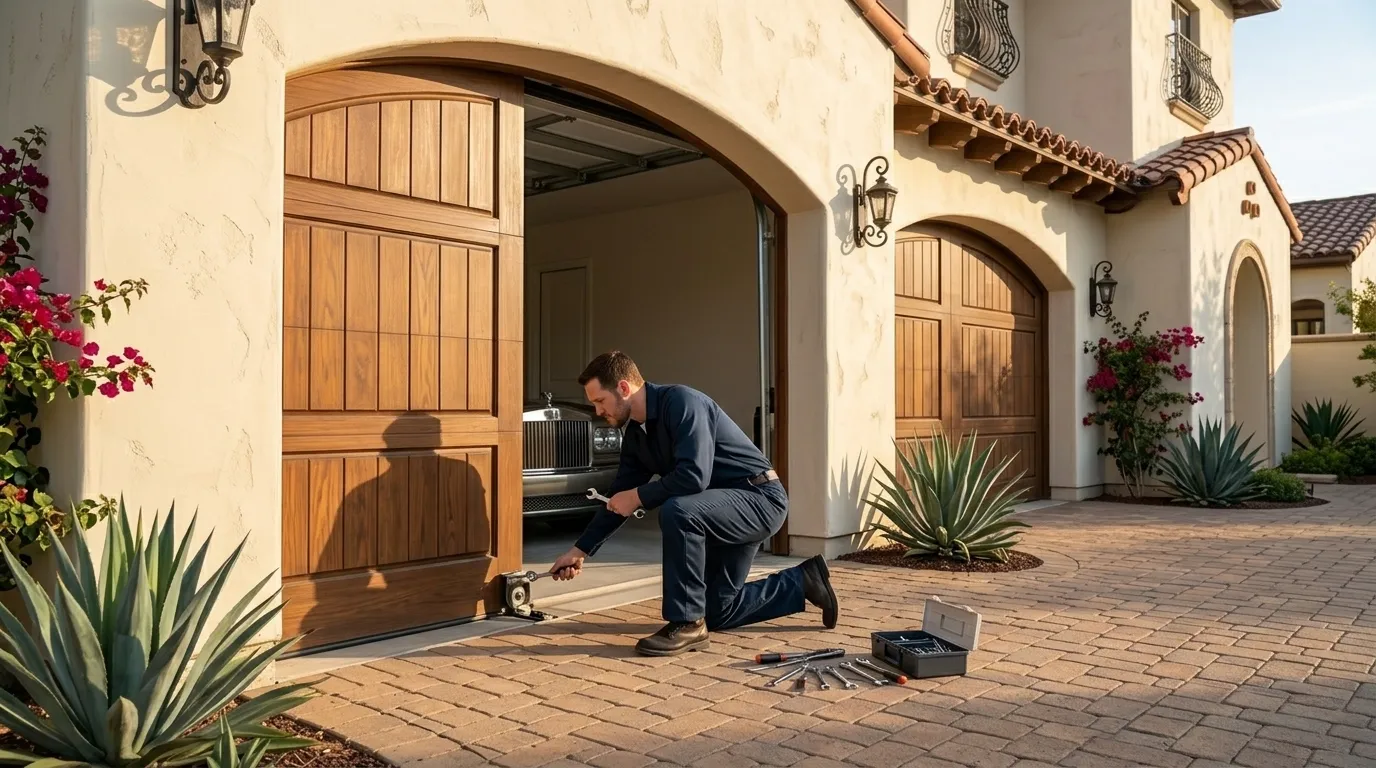
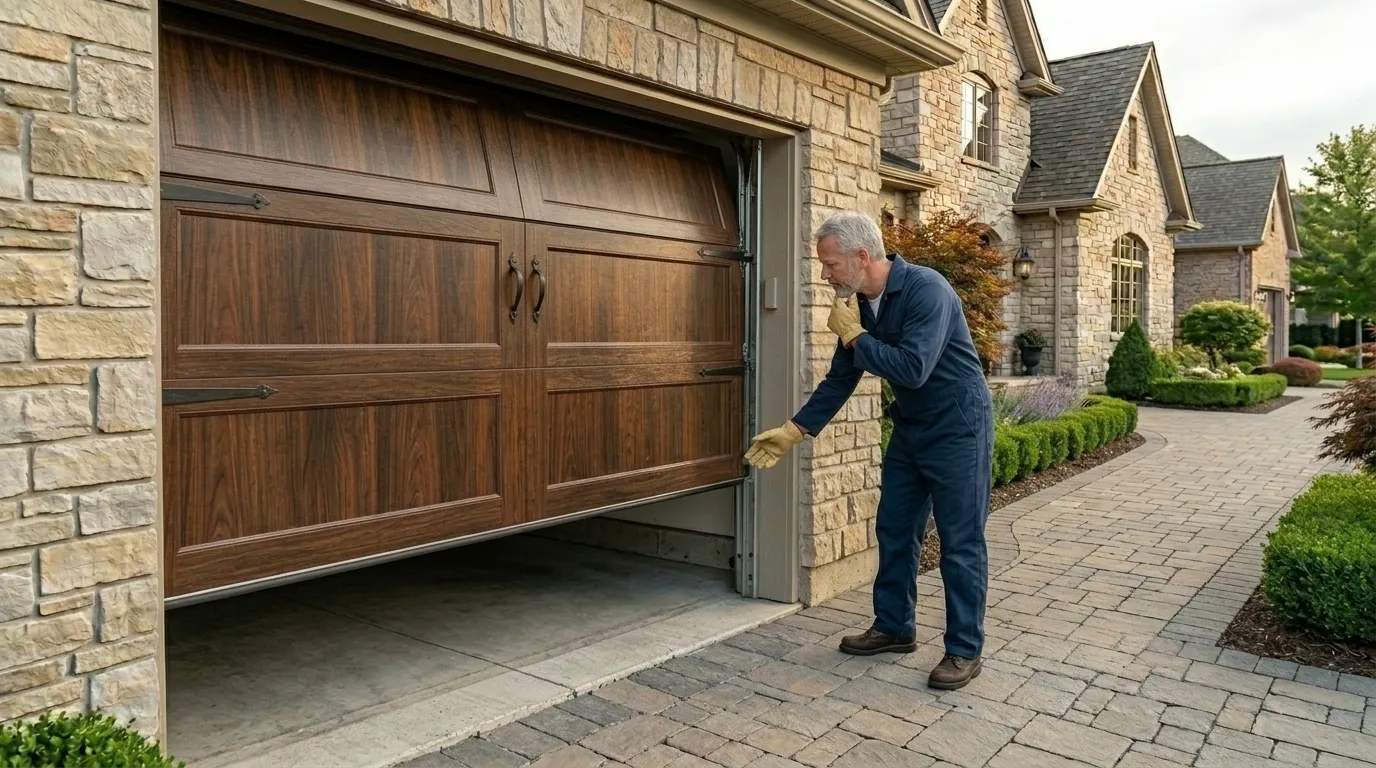
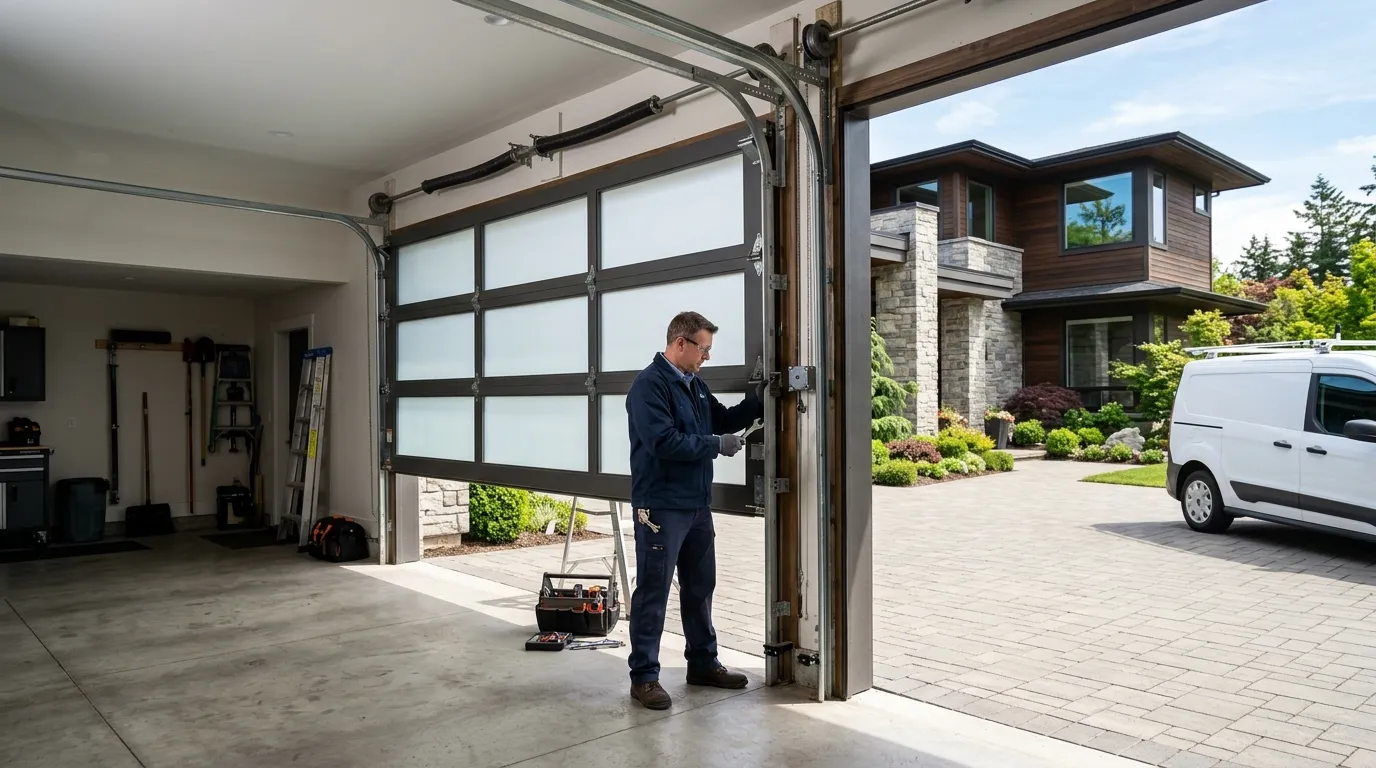
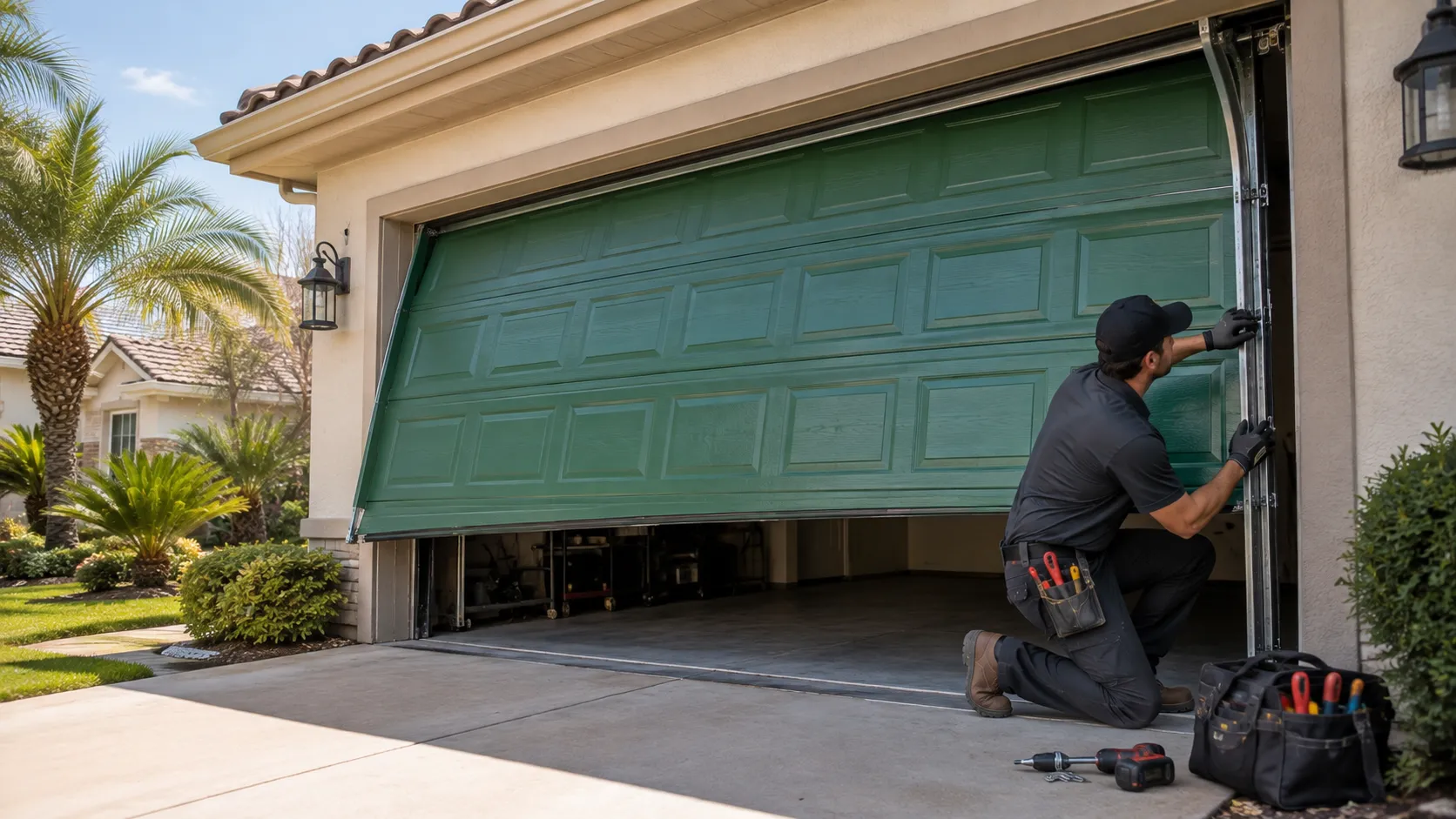
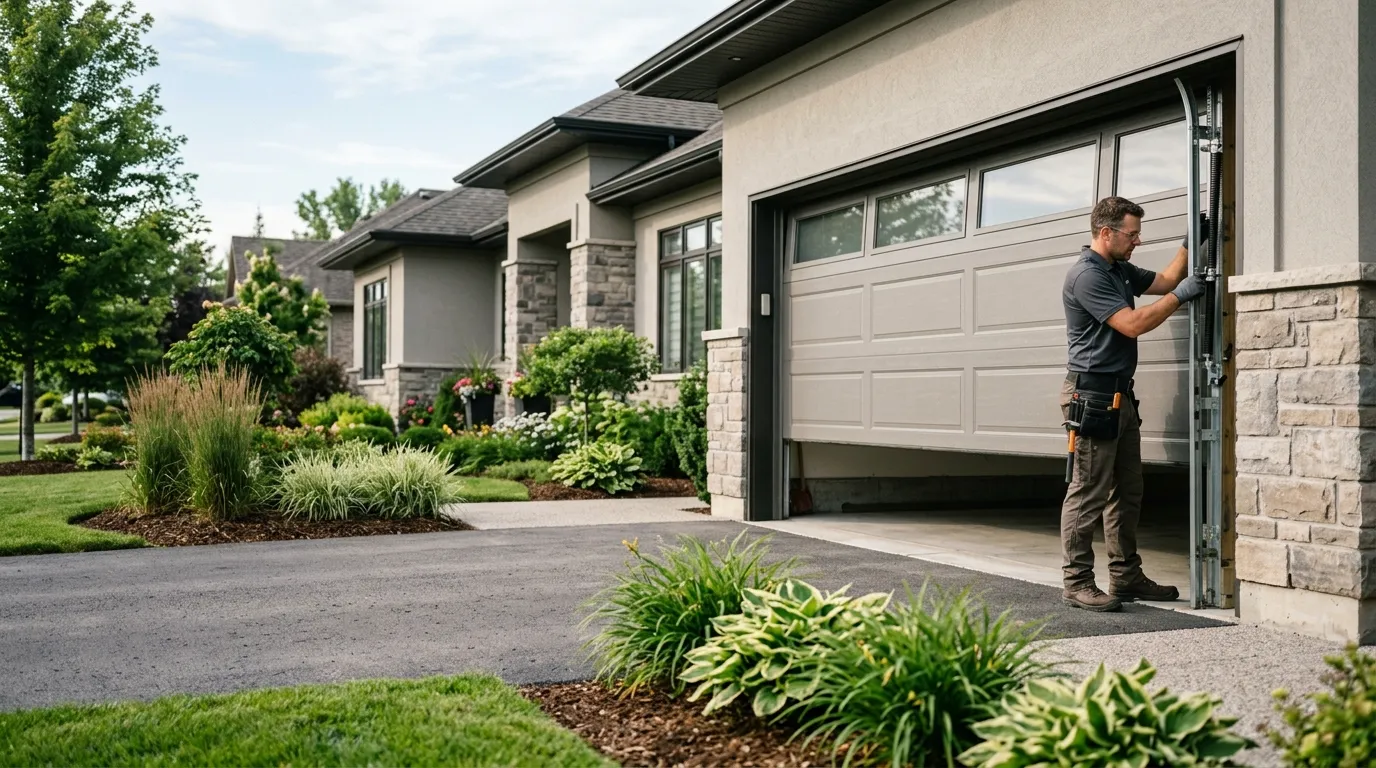
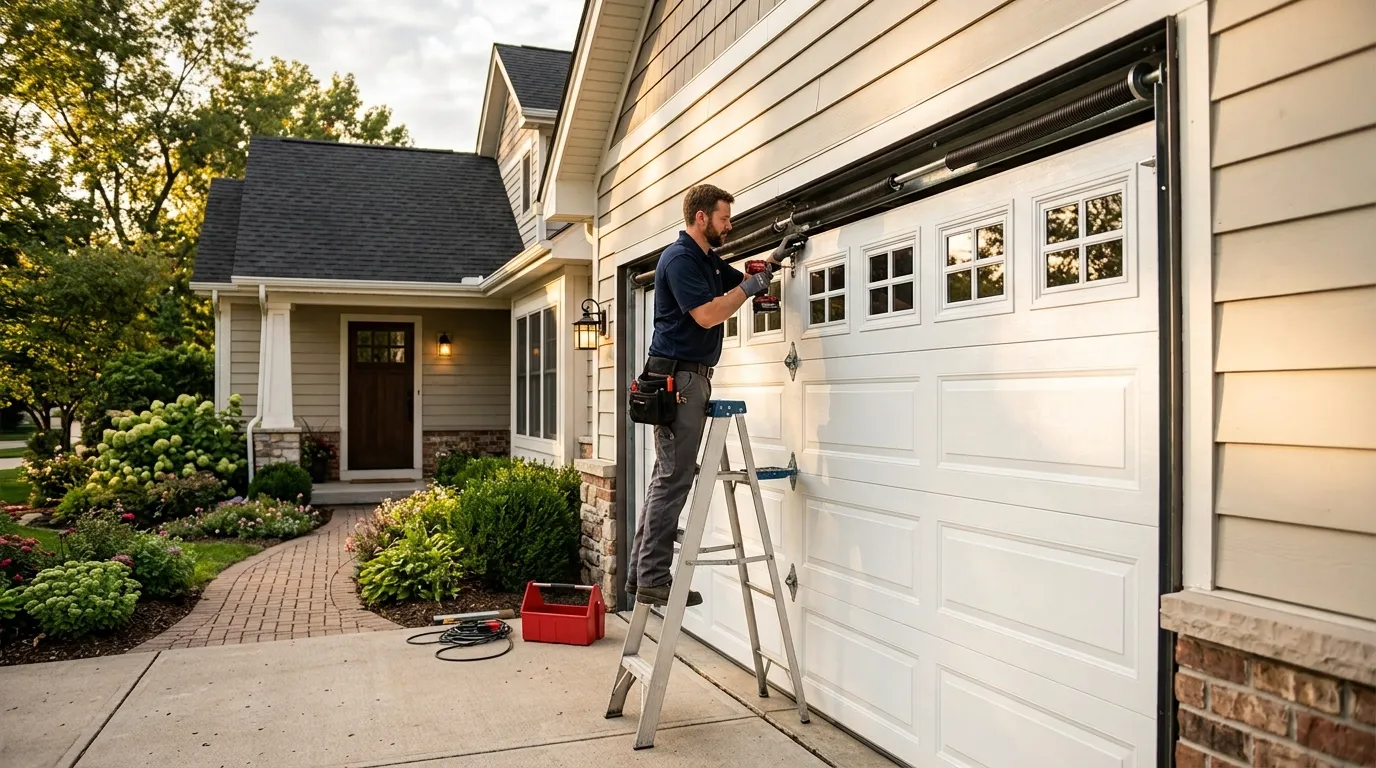
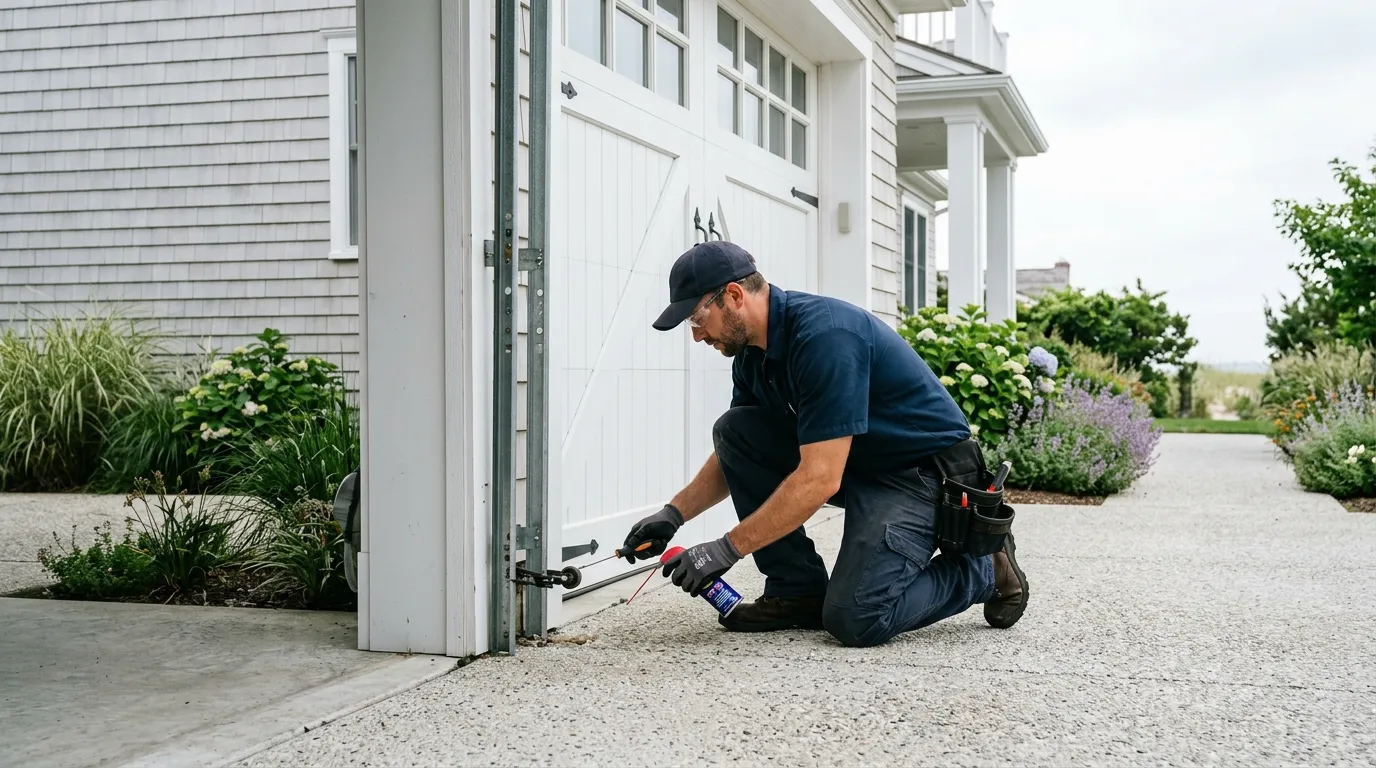
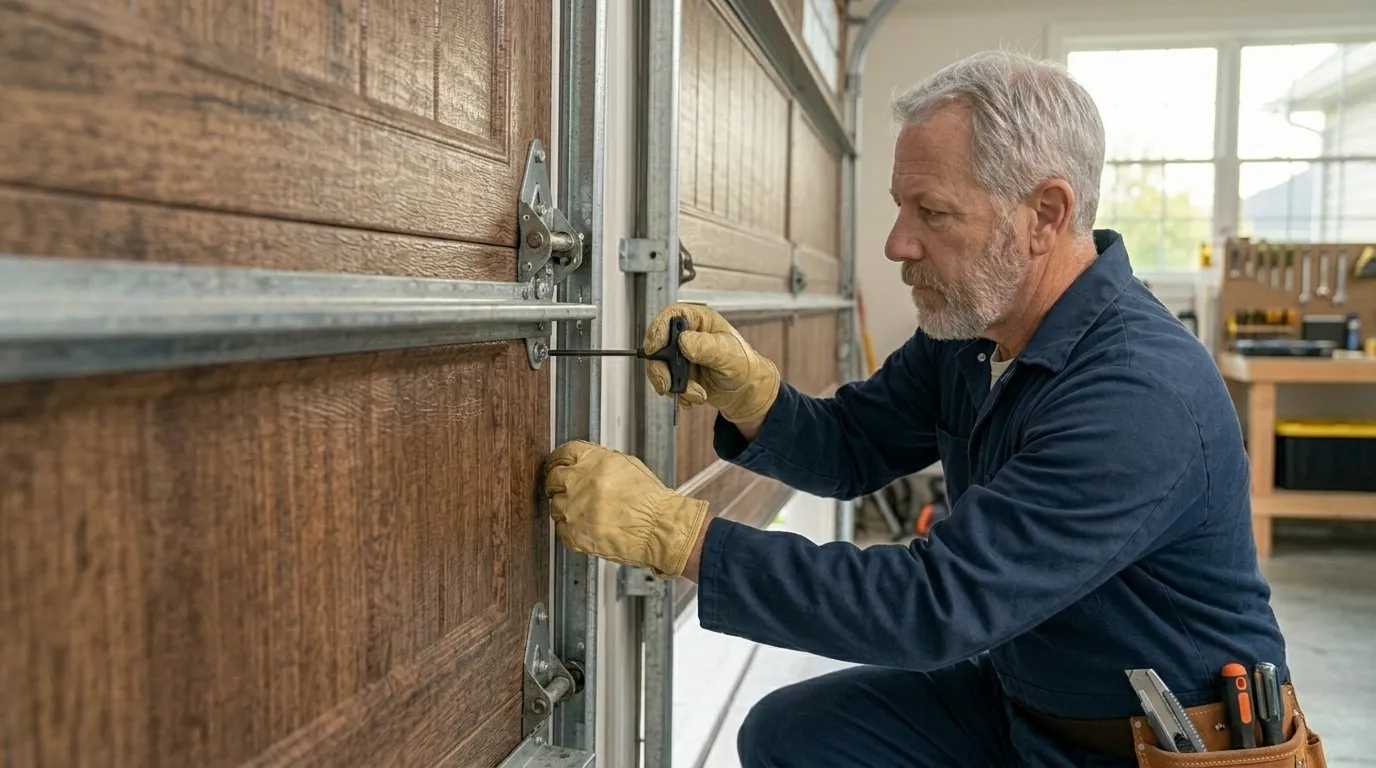
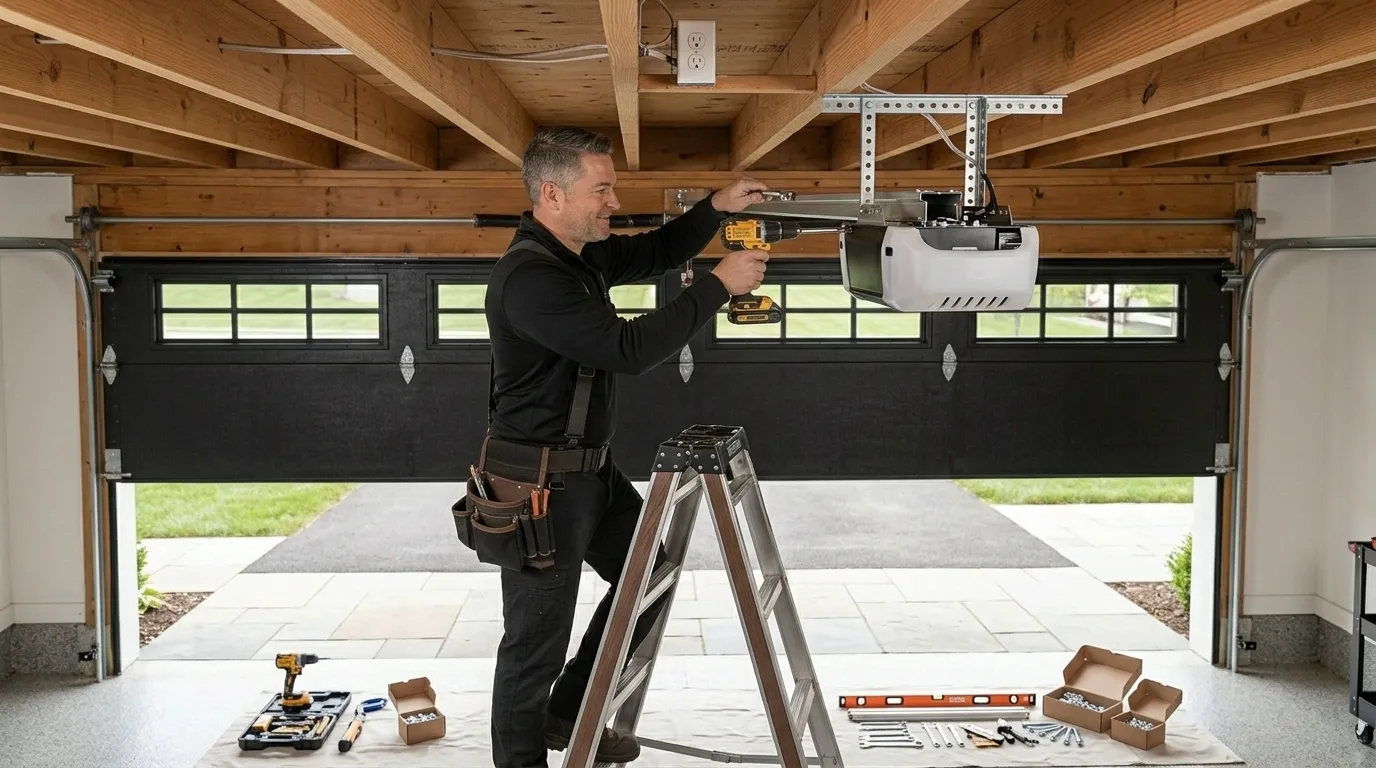
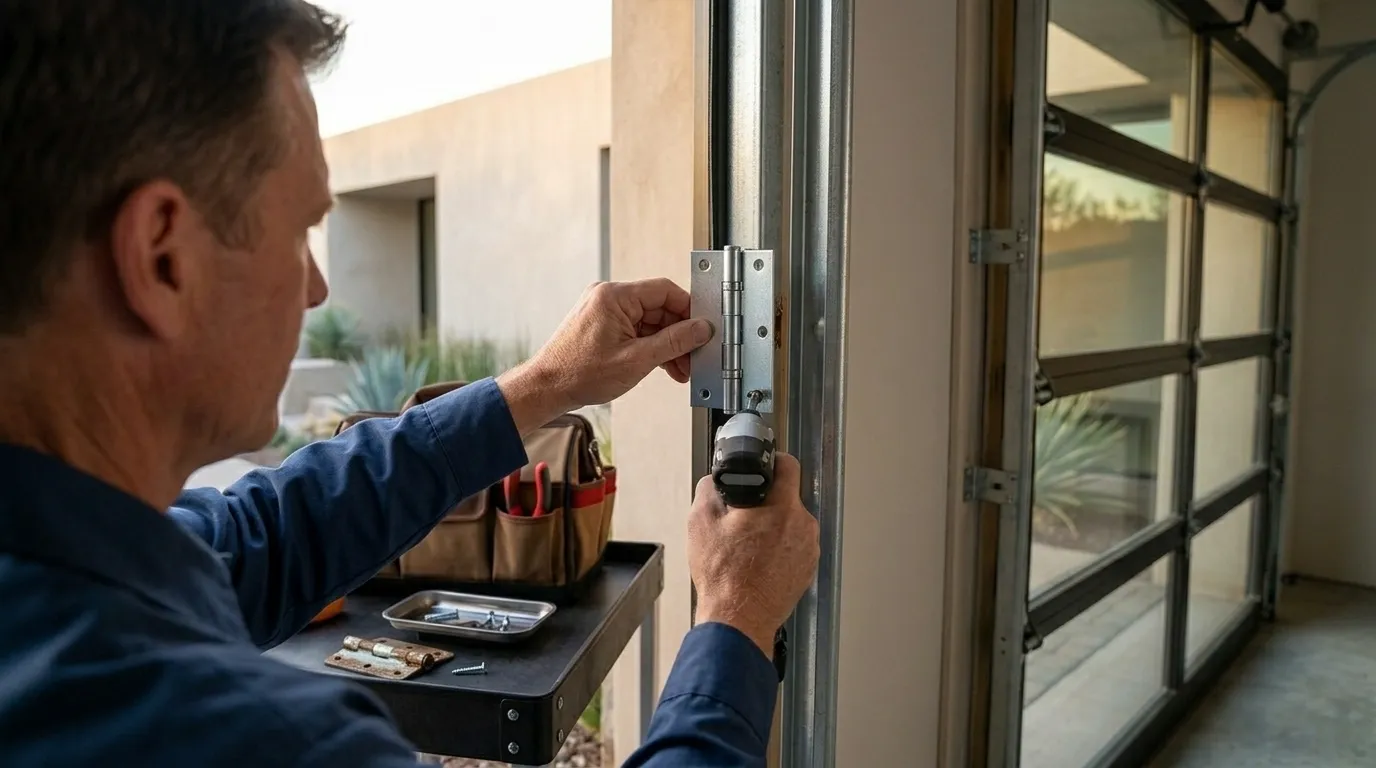
On a house from this era, the first sign usually isn't a door that won't open - it's a door that opens crooked, or an opener that strains and reverses partway up. Track that was plumb when the house was framed in 1996 can be a quarter inch off after thirty years of seasonal movement, and a new door hung on an old, slightly out-of-square track will bind no matter how good the door is. We also see original single-layer steel panels that have gone soft at the bottom corner from decades of ground moisture, which is a cosmetic problem until it isn't - eventually the panel won't hold fasteners well enough to carry the door's own weight safely. If your opener is original to the house too, it's worth replacing at the same time rather than bolting a new door to thirty-year-old lift hardware.