When a spring goes in San Marcos during a cold snap, here's what triggers it, what a repair costs to figure out, and why 1990s-era doors are most at risk.
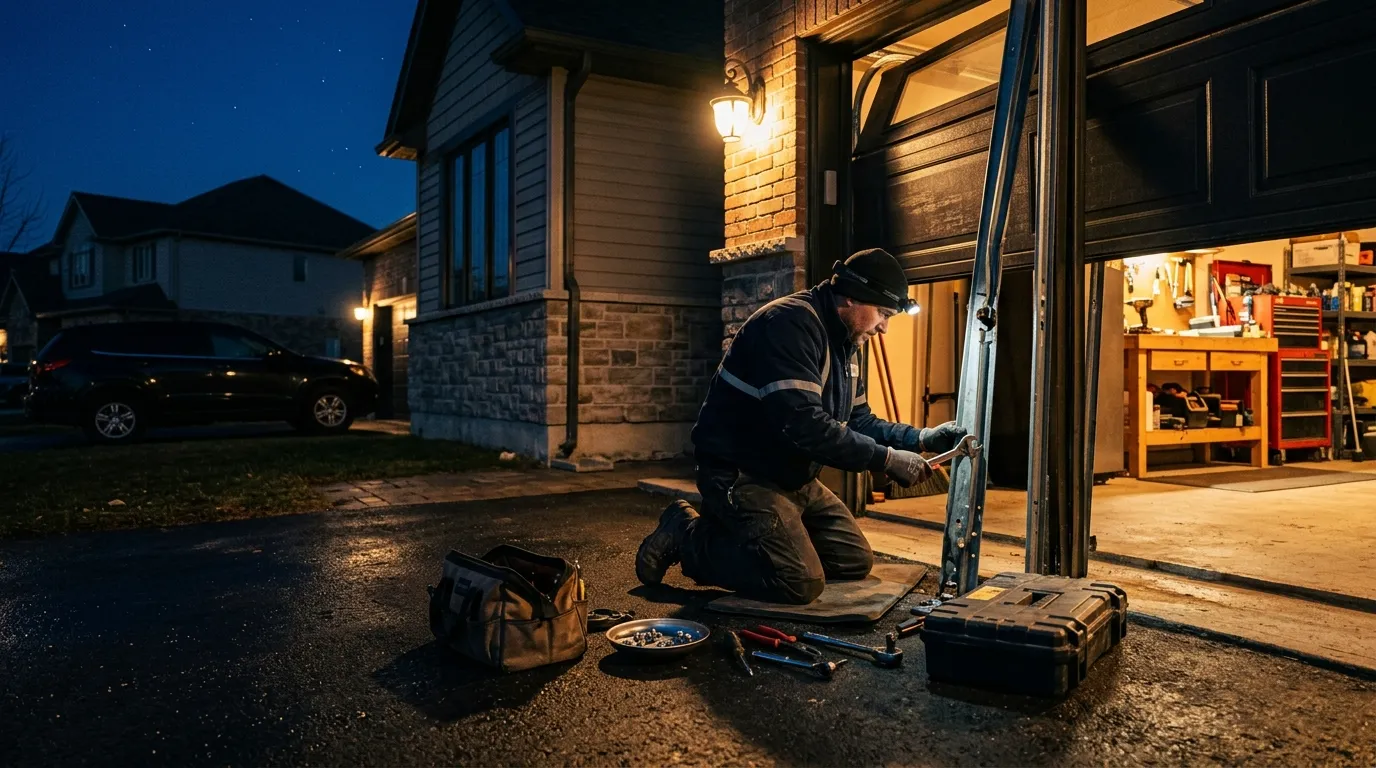
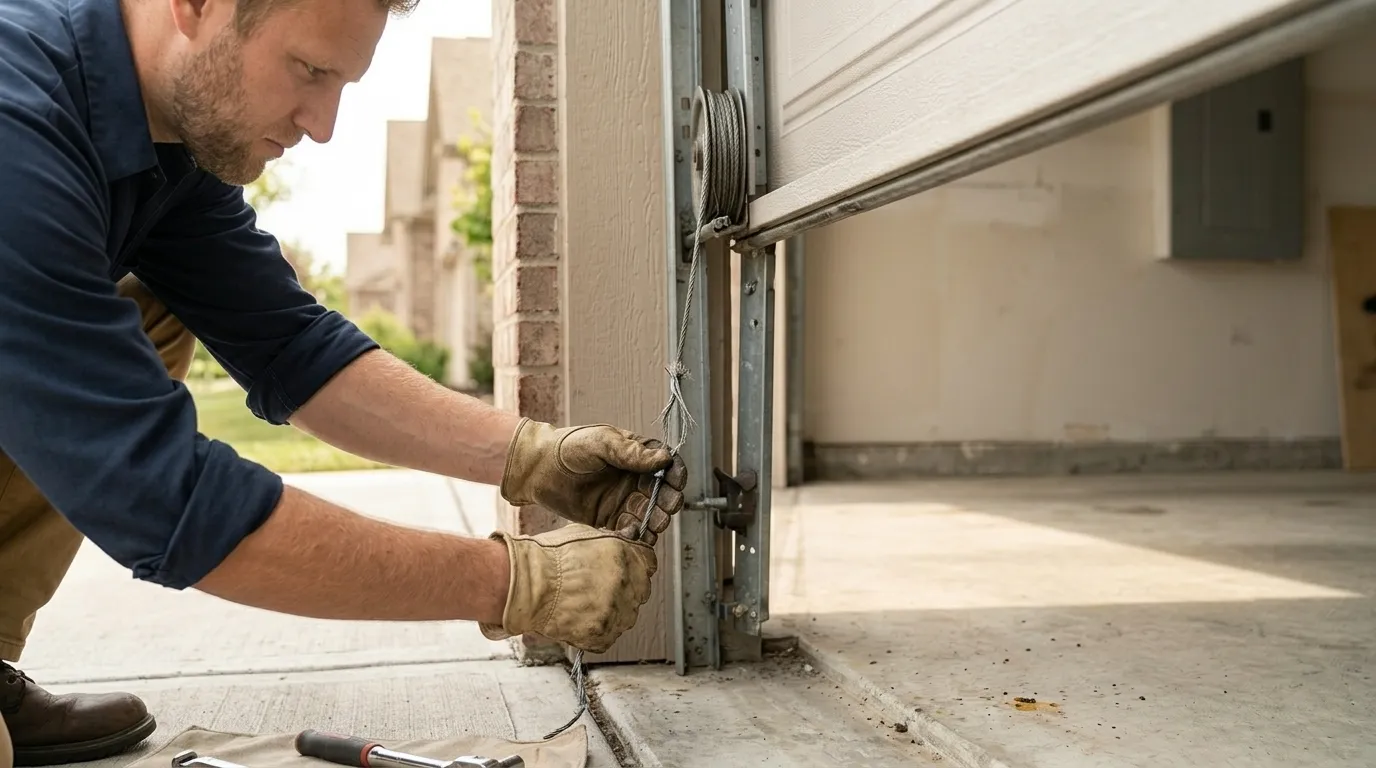
If your door won't budge, or it slams down instead of lowering slow, that's a torsion spring gone. Don't try to open it by hand and don't let anyone stand under it. Call as soon as you notice the door hanging crooked, hear a loud bang from the garage overnight, or see a gap in the coil above the door - that gap is a broken spring, not a stretched one.
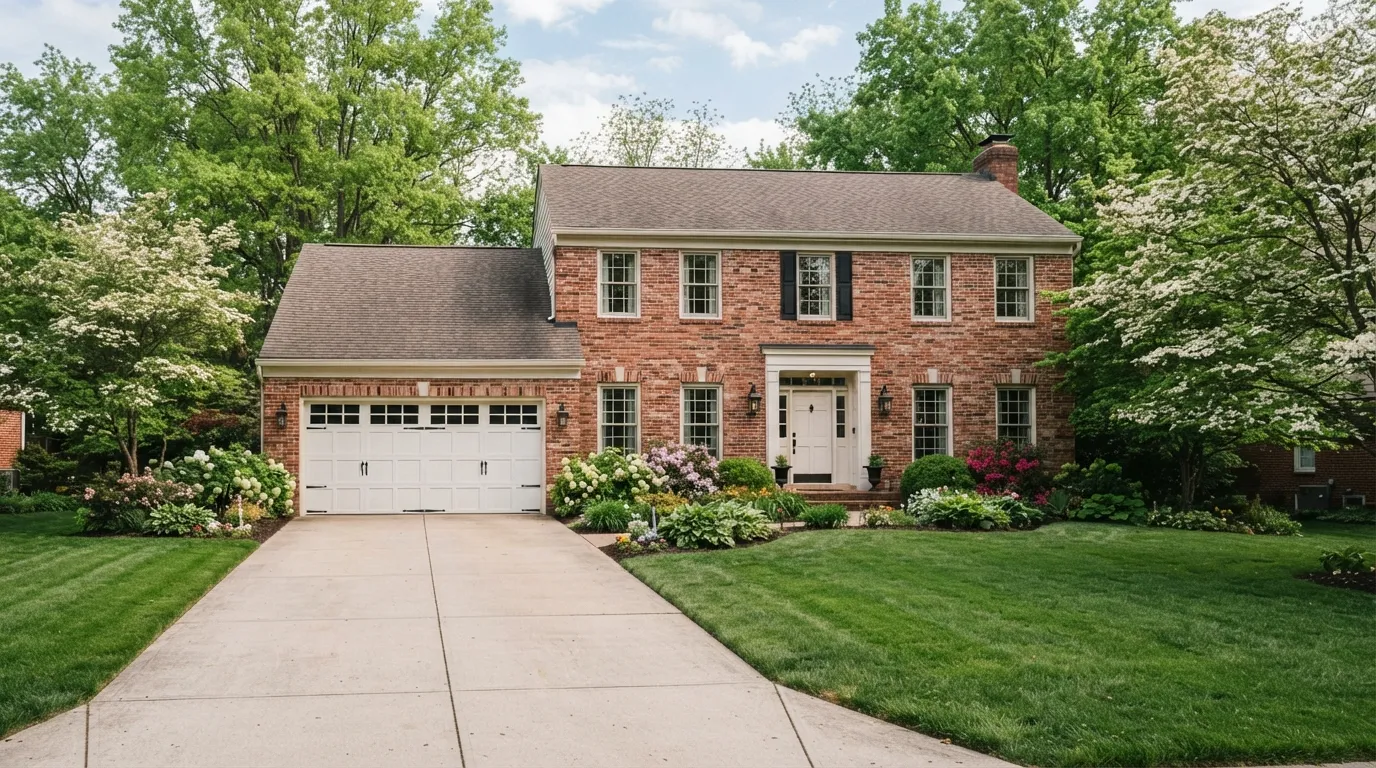
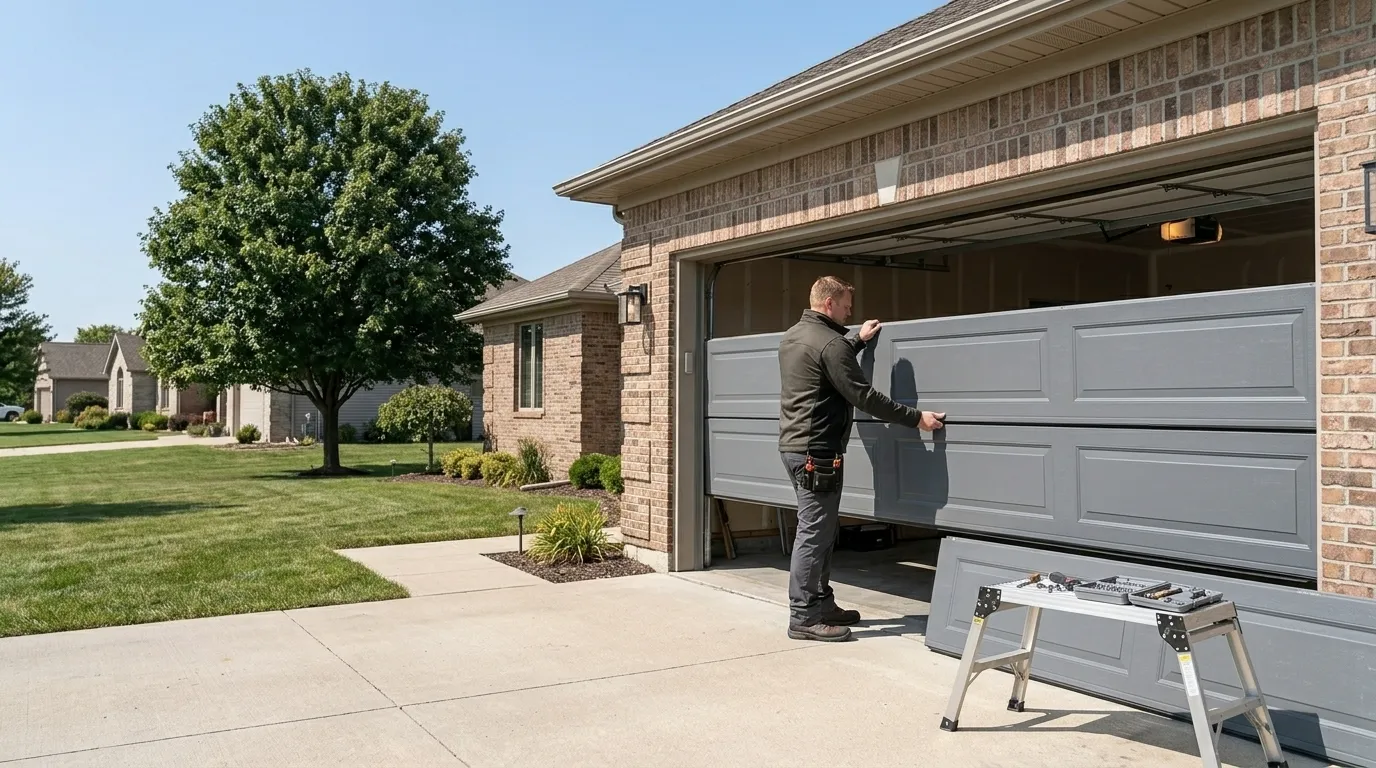
Most of the houses we get these calls from went up between 1984 and 2014, with the bulk of that stock dating to the 1980s and 90s across the 16 areas we cover. That matters because a spring rated for a door built in 1996 is now pushing thirty years of cycles, and cold nights are exactly when a tired spring finally lets go. If the break happens on a weekend before a freeze, don't wait until Monday - a door stuck half-open is an open door as far as security and heat loss go.
One thing we won't do is tell you a spring is fine when the coil's already showing rust pitting or a flat spot. At that point it's not a matter of if, just when.
What It Costs
We're not going to hand you a number here that isn't backed by anything - what a spring job runs depends on door weight, spring size, and whether it's a single spring or a matched pair on a double door. What we can tell you is what drives the decision. San Marcos households have a median income of $80,830, which puts most repair jobs within reach as a planned expense rather than something people finance - but that doesn't mean every job is the same price. A 1996-built door with a standard torsion spring is usually a straightforward swap. A door that's been re-sprung once already, or has an odd-width track from a remodel, takes longer and sometimes needs a part ordered rather than pulled off the truck.
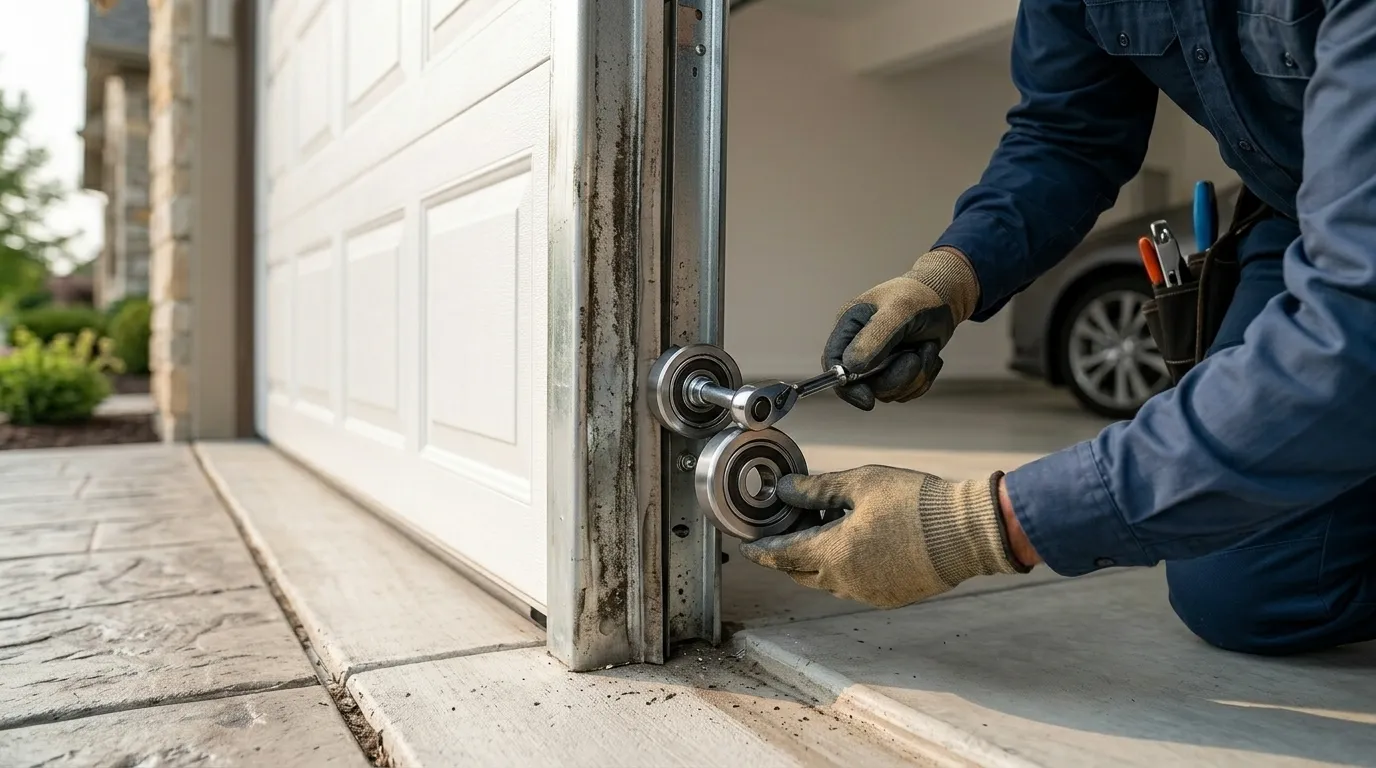
Honest limitation: if your spring size isn't one of the common gauges we stock, we may need a day or two to get the right one in rather than force a close-enough substitute onto the shaft. A mismatched spring is how you end up back on the phone in six months.
The Problem
Steel fatigues faster in the cold. A torsion spring stores tension by twisting, and every open-close cycle puts a tiny bit of wear into the coil. Warm steel flexes; cold steel is stiffer and more brittle, so the same twist that a spring shrugged off in July can be the one that snaps it in January. That's true everywhere, but it hits harder here because of the age of the stock: with housing built mostly between 1984 and 2014, median 1996, a huge share of the springs on doors in this service area are original equipment. They were never designed to run forever, and thirty-plus winters of cycling is a lot to ask of a coil of wire.
Add to that the fact that most of these houses, going back to the 1980s and 90s builds across the areas we cover, used a single spring on double doors as standard practice rather than the two-spring setup that's more common in newer construction. A single spring carrying the full load of a double door has less margin left when the cold stiffens it up, which is why we see more single-spring failures than double-spring ones on the older side of the stock.
How Local Conditions Play In
San Marcos sits in a mild climate band, but mild doesn't mean freeze-free - the area still gets stretches of hard freeze most winters, and it's the swing between a warm afternoon and a sudden overnight drop that does the damage, not sustained cold like you'd get further north. A spring that's been flexing all day in 60-degree air and then sits through a 28-degree night is under a different kind of stress than one that just stays cold.
We run calls out from San Marcos to Redwood at 5 miles and Martindale at 6, and further out to Kyle, Uhland, Wimberley, Niederwald, Geronimo, Lockhart, Kingsbury, Creedmoor, Mustang Ridge, Driftwood, Manchaca, Canyon Lake, Seguin, and McQueeney - all of it sitting in that same mild-with-freezes band, so the same cold-snap pattern that snaps a spring in town does the same thing twenty miles out. With 31,977 owner-occupied houses among the 54,708 households across this service area, a lot of doors are due for the same kind of failure on the same kind of night, which is why call volume tends to spike right after the first hard freeze of the season rather than spreading out evenly.
How it works
From “it’s stuck” to “it’s fixed”
01
Tell us what’s wrong
Describe the symptom - won’t open, loud bang, opener runs but the door won’t move.
02
On-site diagnosis
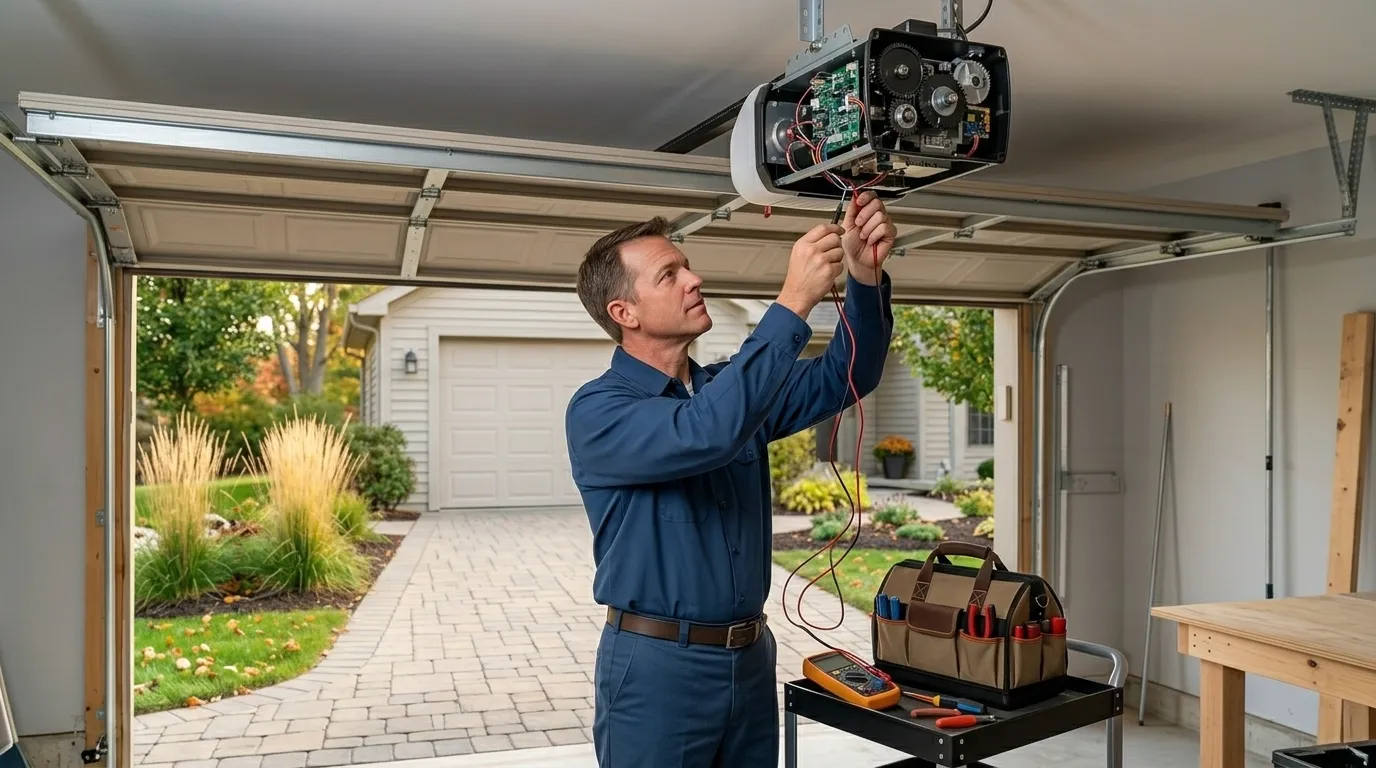
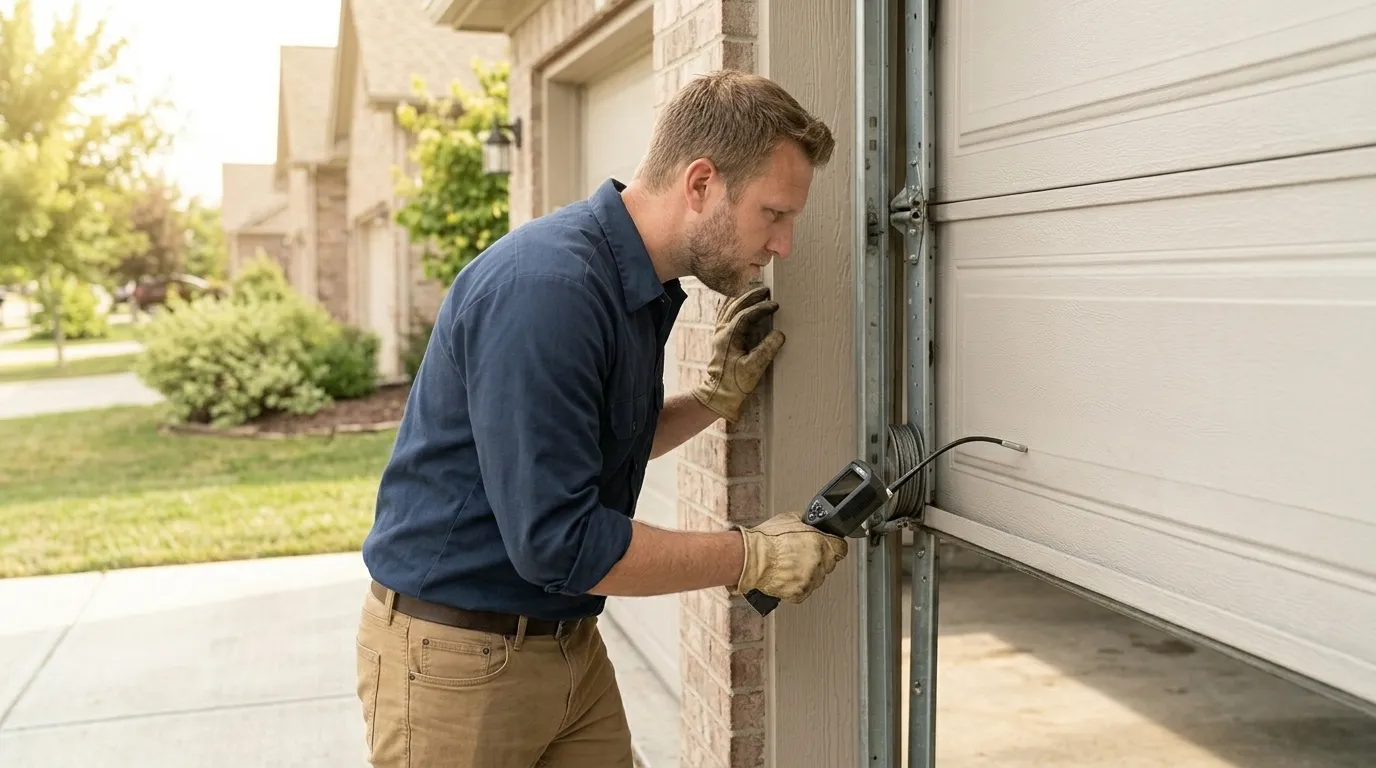
A technician tests the door under power and by hand and finds what actually failed.
03
Clear, up-front plan
You get the fix that’s needed and what drives the cost - before any work starts.
04
Repaired & tested
The repair is done, the door is set true and tested, and the work area left clean.
Serving San Marcos, TX - tell us what your door’s doing and we’ll take it from there.
Why does my spring always seem to break in winter and not summer?
Cold steel is stiffer and more prone to snapping under the same load that warm steel handles fine. San Marcos doesn't get sustained deep freezes, but it does get sharp overnight drops, and that swing from warm afternoon to cold night is what finishes off a spring that's already fatigued from years of cycling.
How old is too old for a garage door spring?
There's no fixed number, but most of the housing in this service area was built between 1984 and 2014, median 1996, so a lot of original springs are approaching or past thirty years of use. At that age, a spring that's still holding is running on borrowed time, especially once cold weather starts stressing it.
Can I just wait until spring to fix a broken spring?
You can, but a door stuck open or barely closing is a security gap and a heat-loss problem for as long as it sits. We'd rather you call when it breaks than prop it up until the weather turns, especially since a stuck door under strain can damage the opener or track in the meantime.
Ready to get your garage door sorted?
Tell us what it’s doing and where you are in San Marcos - we’ll take it from there.