How It Shows Up
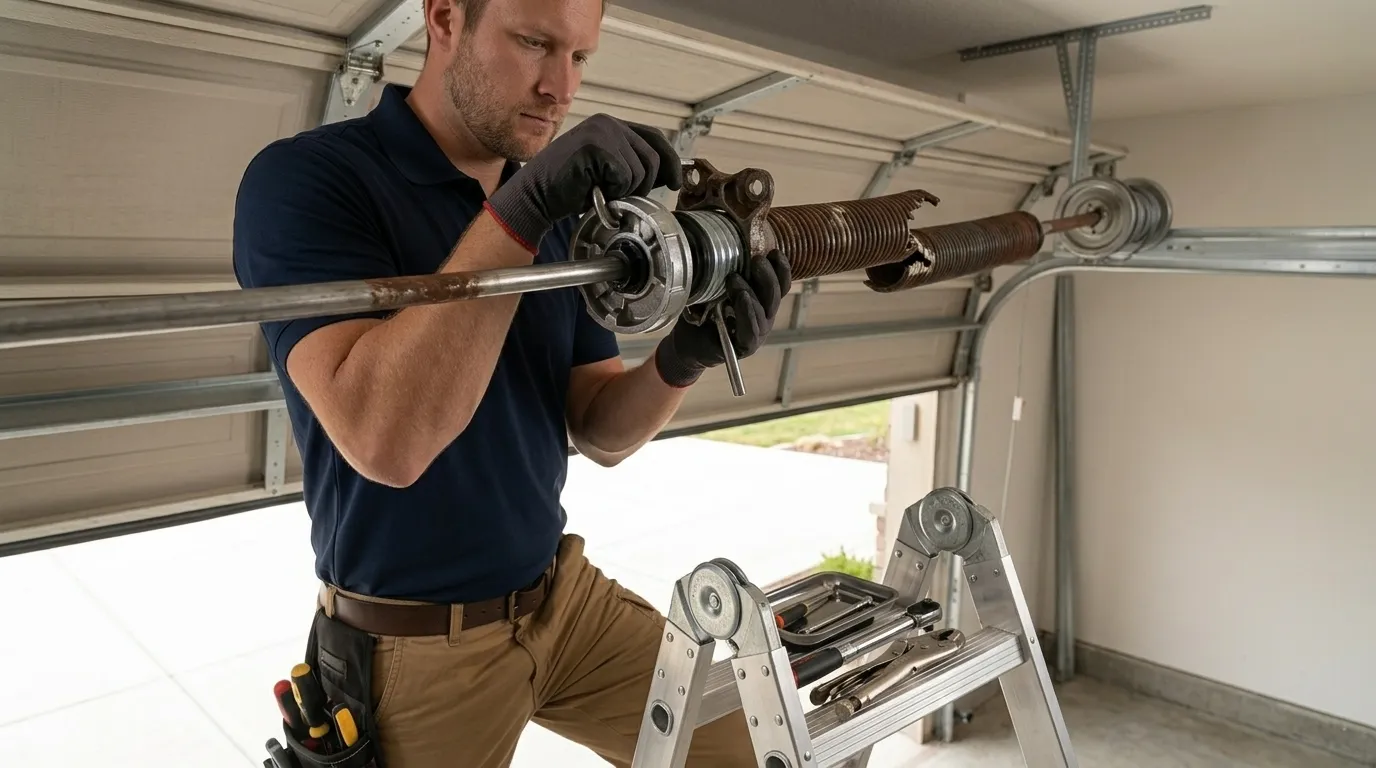
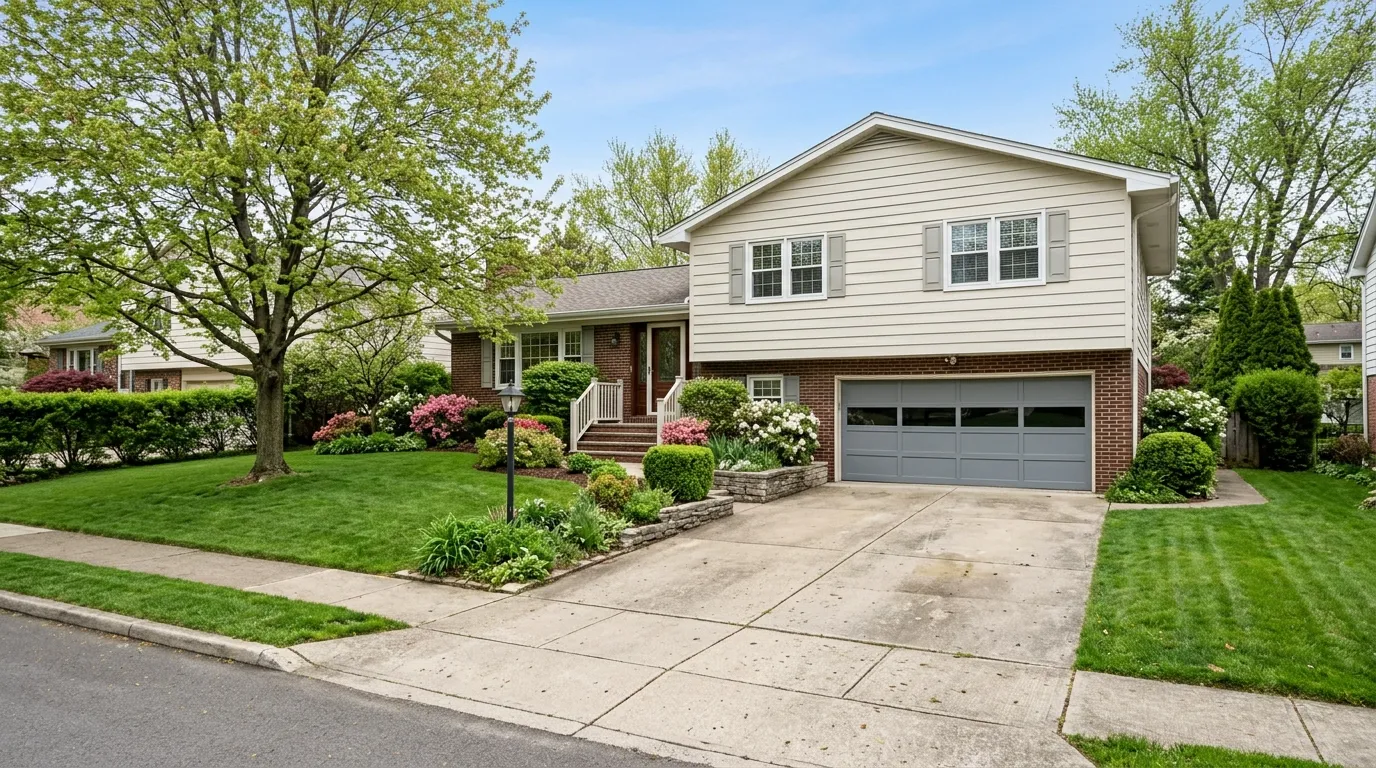
Seguin's housing stock centers on 1984, which puts it on the older edge of the broader 1984-2014 build window across this service area. A house built in the mid-80s almost always shipped with a steel sectional door on an extension or torsion spring setup that was standard for that decade - heavier springs than what goes on new construction now, and openers from an era before anything had a battery backup or a wall pad with a camera in it. When that original spring finally fatigues, it usually goes the way 30-plus-year-old torsion springs go: a loud bang, then a door that won't budge or slams down fast when the cable lets go. Openers from that vintage are also more likely to have a chain drive that's stretched and needs re-tensioning rather than replacing outright. If your house dates later, closer to the 1996 median for the wider area, you're more likely looking at an opener circuit board or a worn roller than original hardware failure.
What the Repair Takes
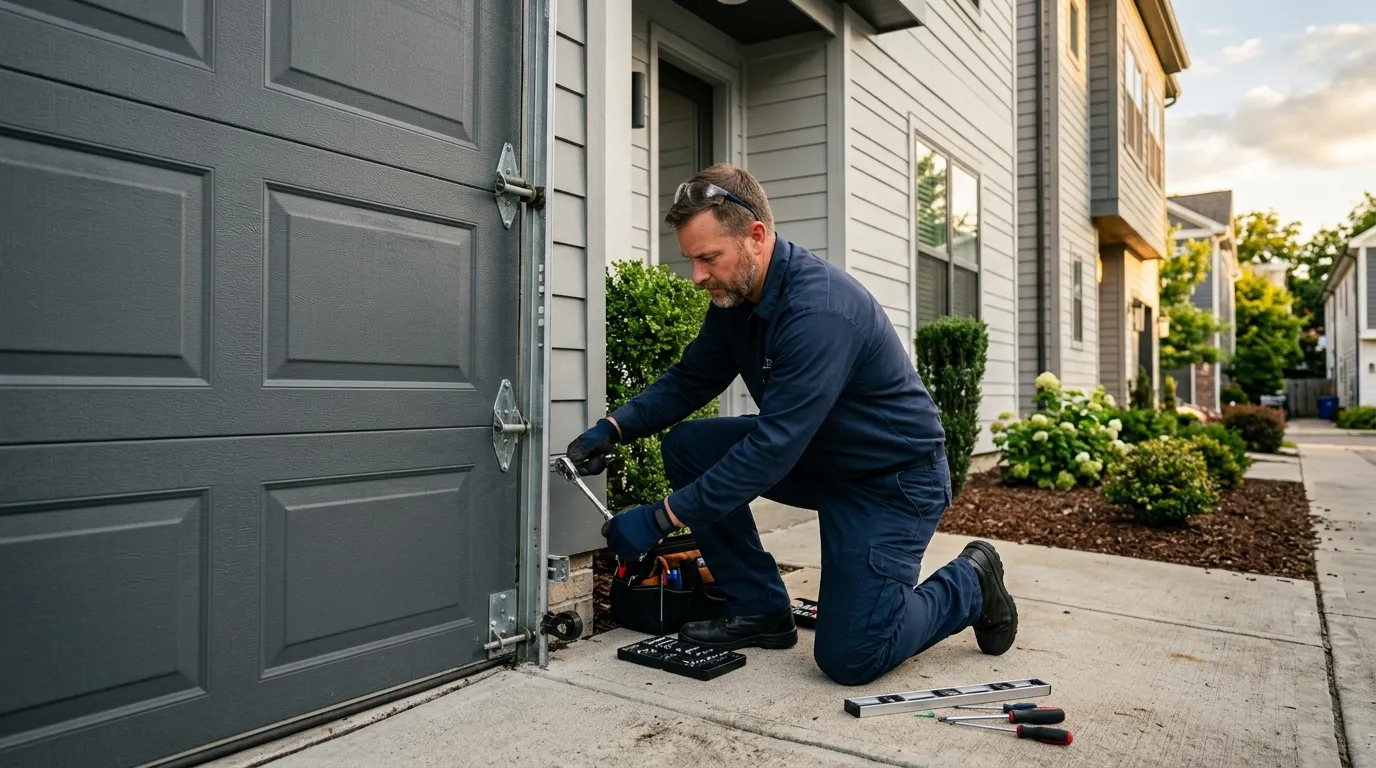
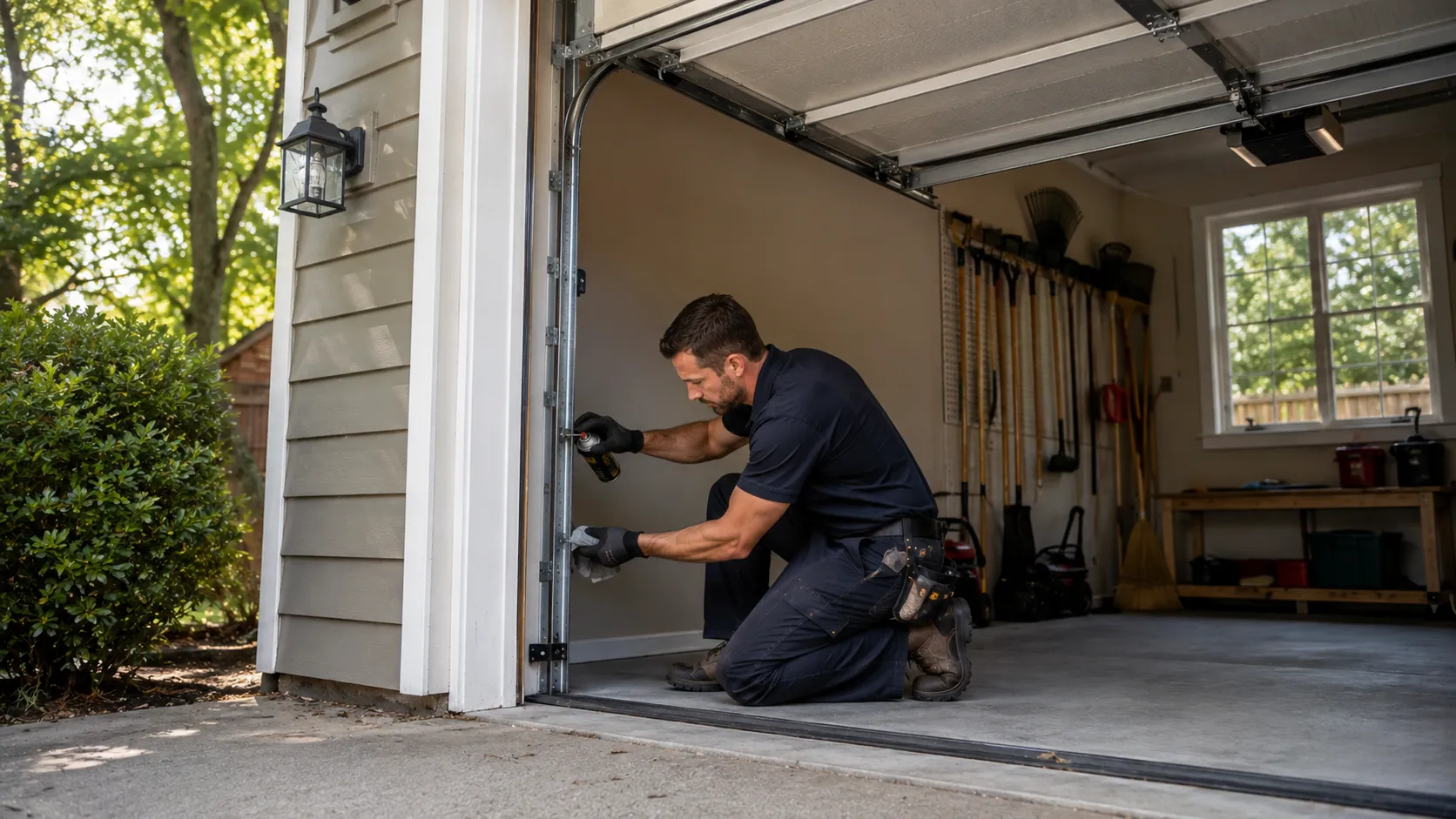
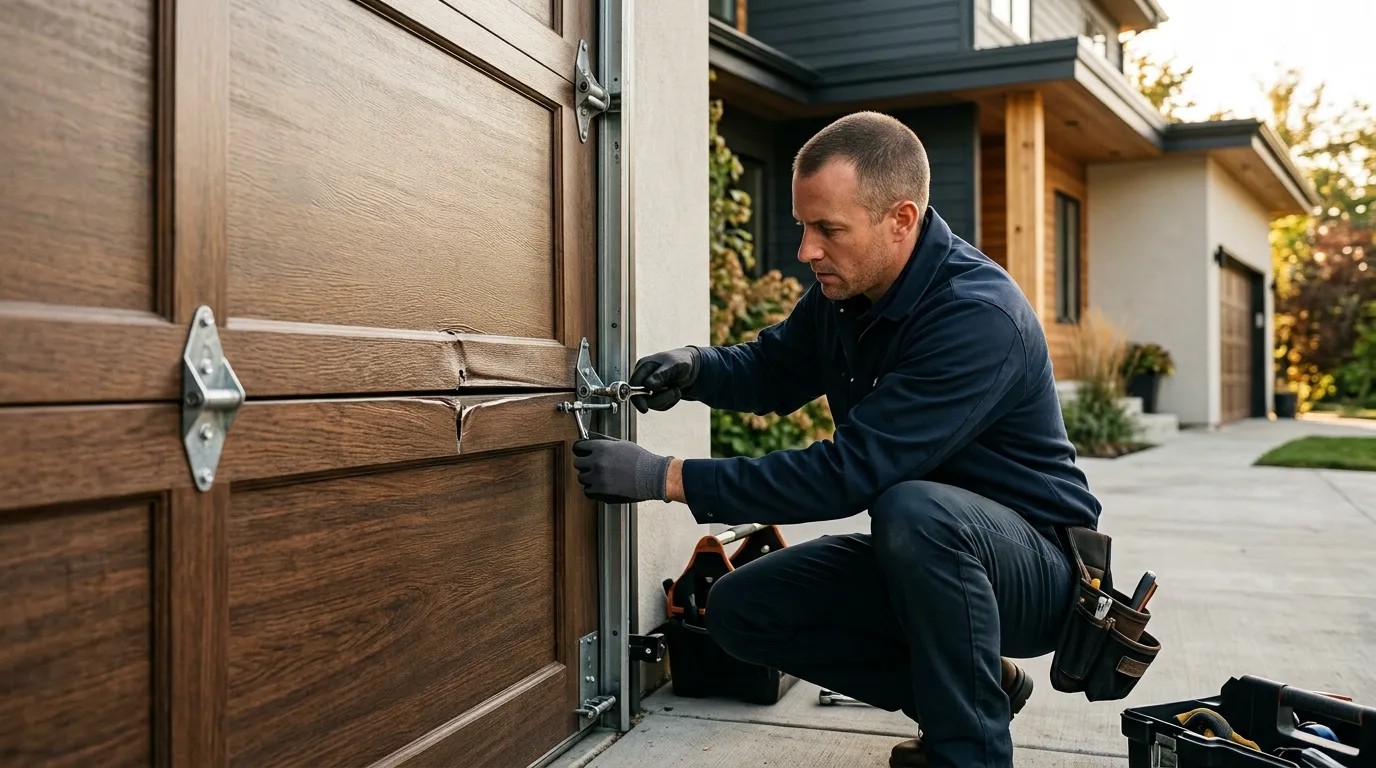
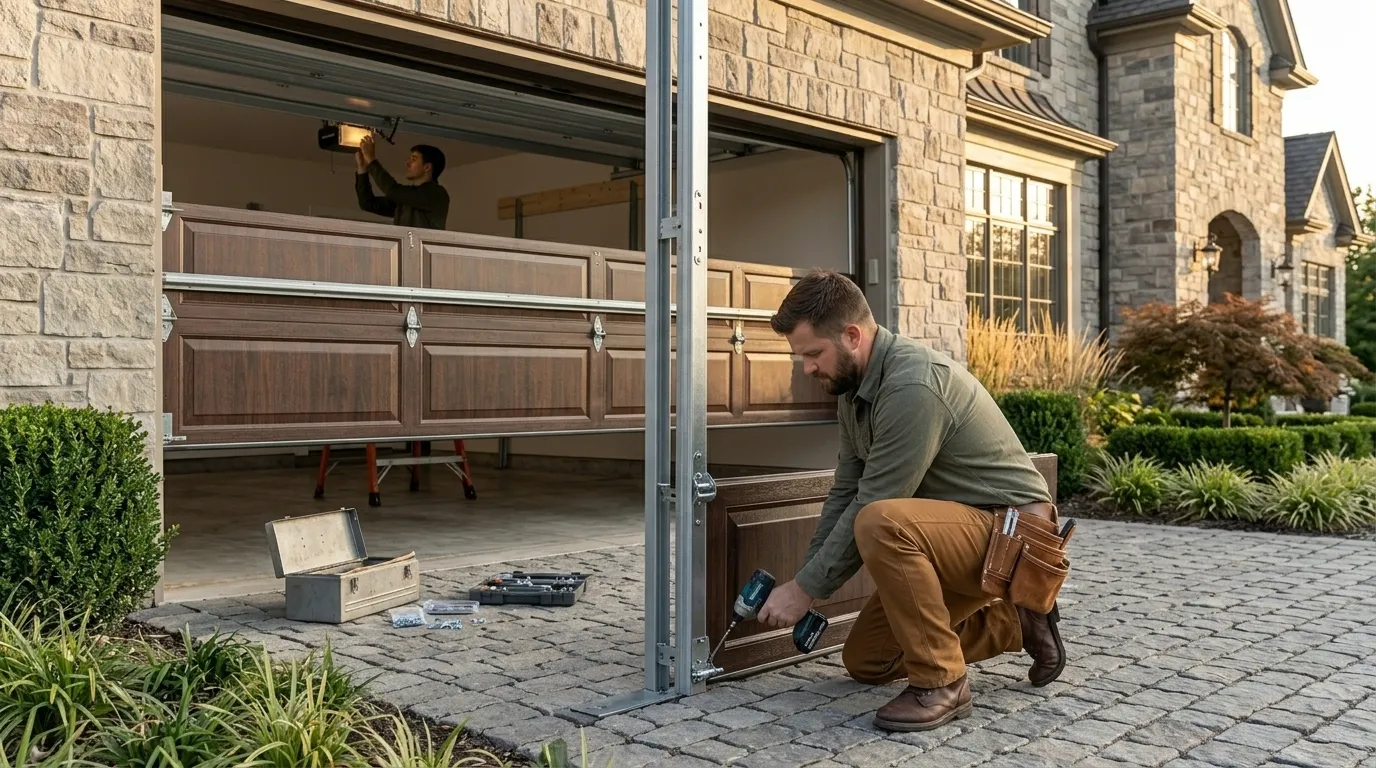
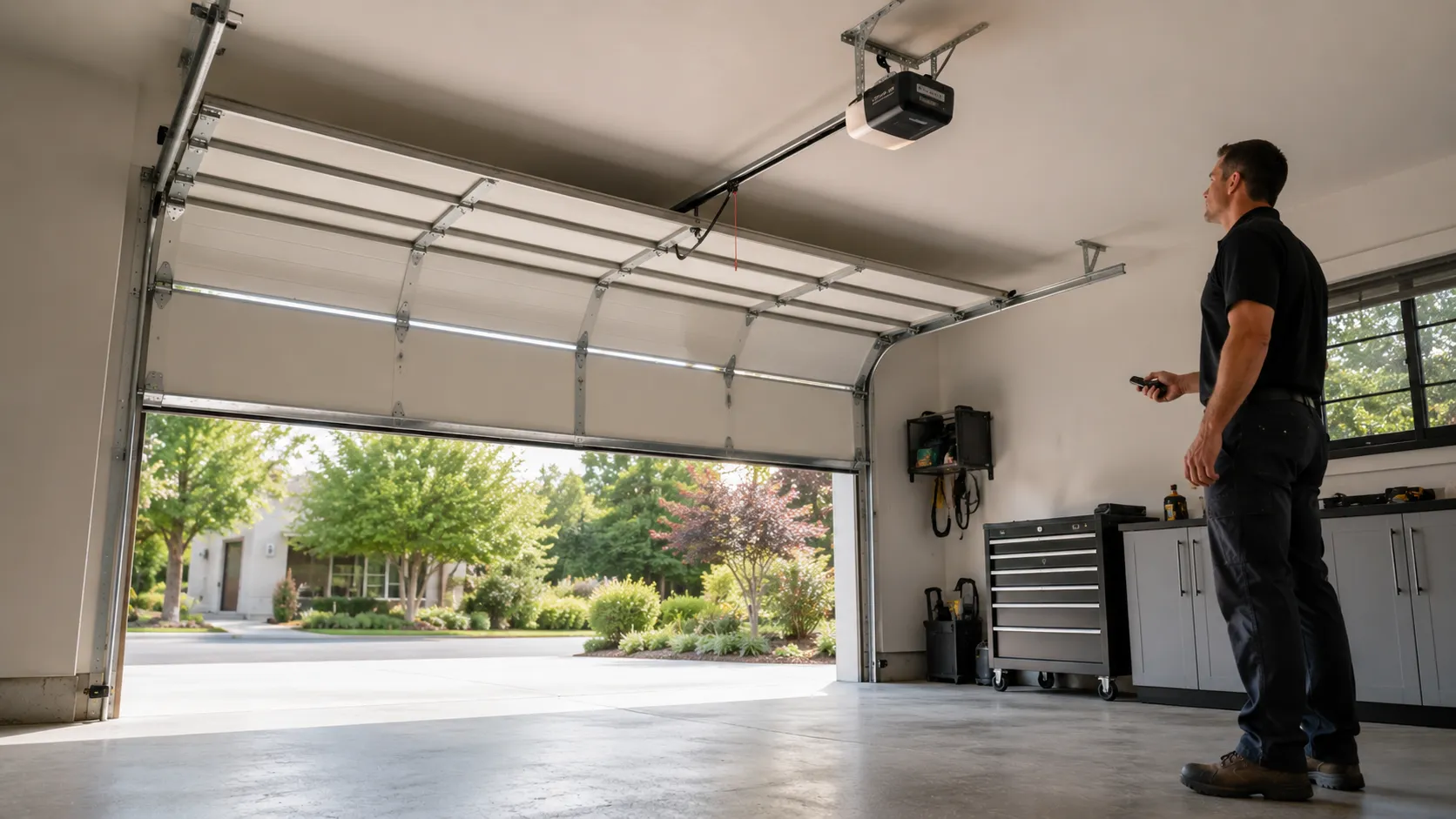
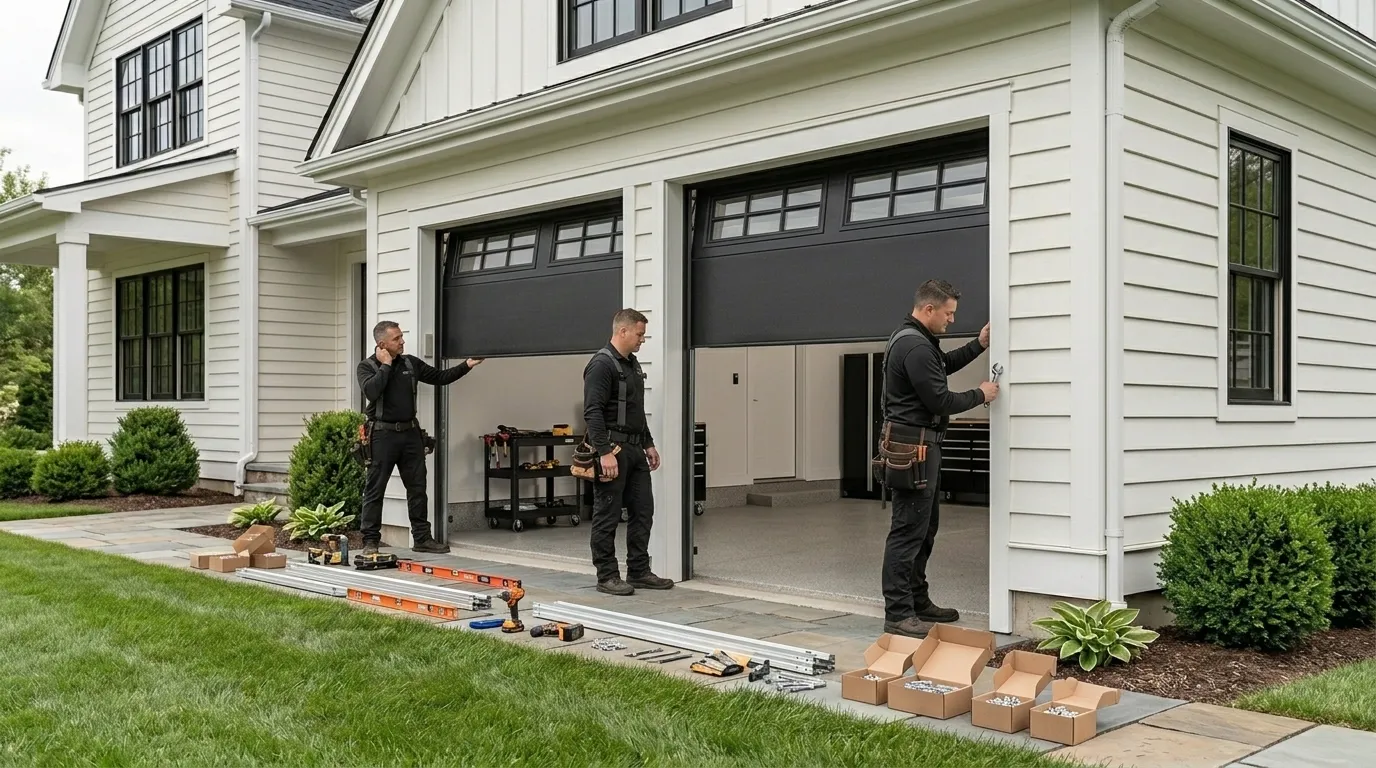
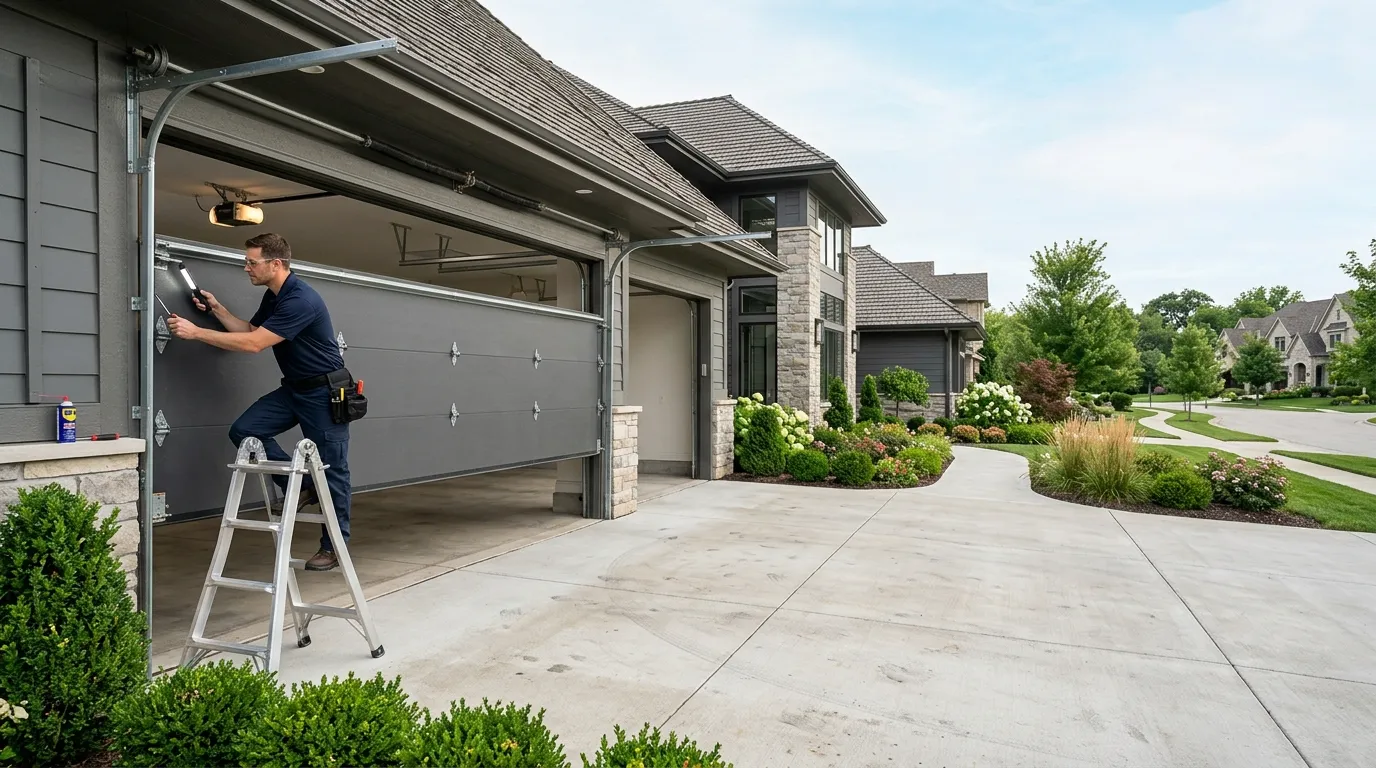
For a house on the older end of Seguin's stock, the first question is whether the spring or track is even still a stocked size - 1980s torsion setups sometimes run a shaft diameter or wind that newer parts don't match cleanly, so we carry a range rather than one universal spring. Track and hinge work on a door this age is usually straightforward once we're on site: bent track from a car bumping it, worn rollers, hinges that have loosened over three decades of cycles. Opener repairs on original units are more of a judgment call - if the motor itself is dying, we'll say so rather than patching a capacitor and sending you a bill again next year. One limit worth saying plainly: we don't stock every obsolete opener logic board, and if yours is discontinued, replacement is faster and often cheaper than hunting a part that may not exist anymore.
What Costs
We're not going to put a number here that isn't backed by a real quote, because a spring job on a 1984 door and a full opener swap are two different bills, and guessing at either does you no favors. What we can tell you is that Seguin households run a median income of $61,896, noticeably below the roughly $80,830 median across the wider service area, and that gap is worth naming because it's part of why we don't upsell a repair into a replacement unless the door actually calls for it. If a spring and a service call gets the door running right, that's what we'll recommend. If the opener is original to a house built decades ago and the board is dead, we'll say a repair isn't the better spend and tell you why.
What Causes It Around Here
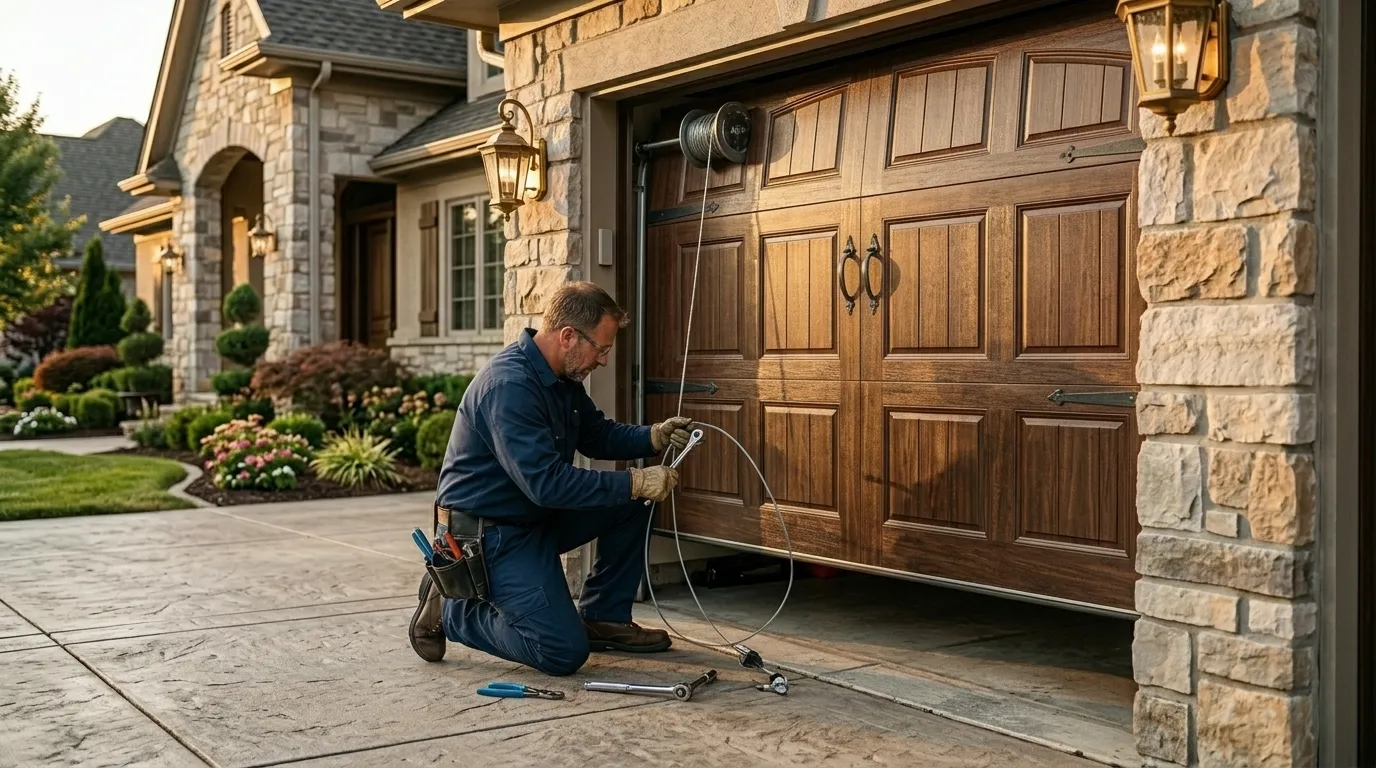
This area sits in a mild climate band with occasional freeze, which is gentler on doors than a true hard-winter market but not nothing - a freeze snap after a warm stretch is exactly the kind of temperature swing that finishes off a spring that was already fatigued, and it's common enough that we see a small bump in spring calls after a cold front rolls through. Humidity swings do more slow damage here than any single storm: galvanized cable and hardware on houses pushing toward 40 years old start to show surface rust at the ends, which is often the first sign a cable is due before it actually frays. None of this is dramatic weather, which is part of why owners here don't think about the door until it stops working - there's no hurricane season forcing an annual check, so hardware just ages quietly until a spring or cable finally lets go.