What Causes It Around Here
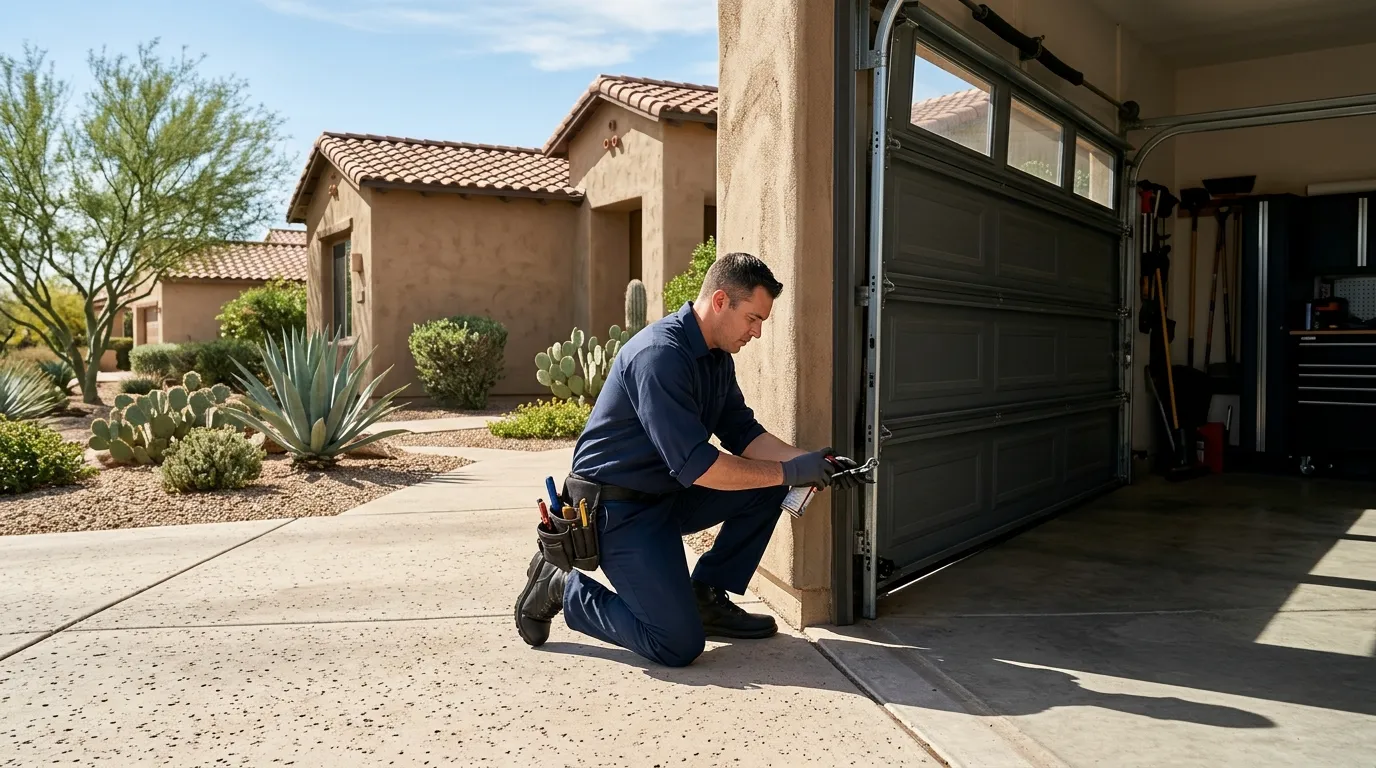
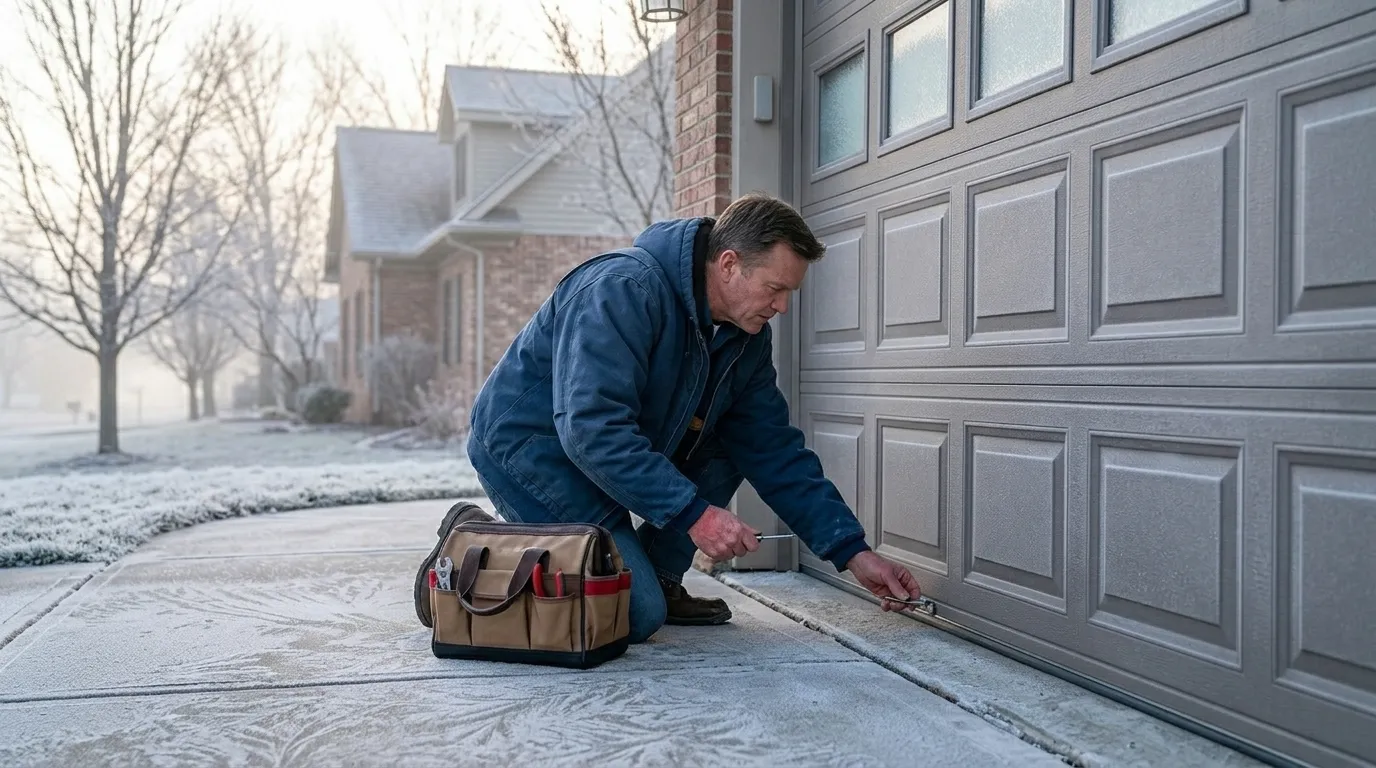
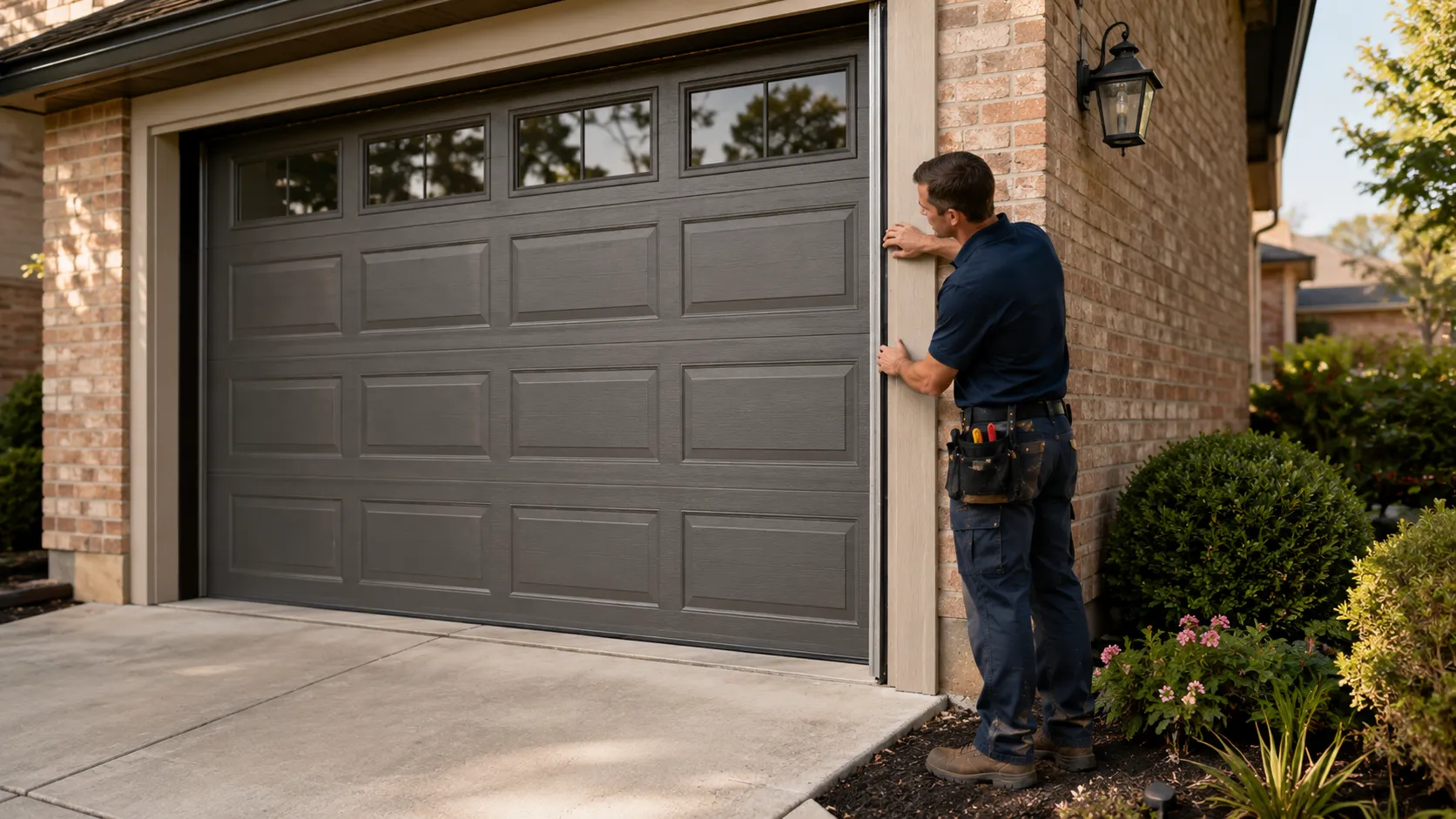
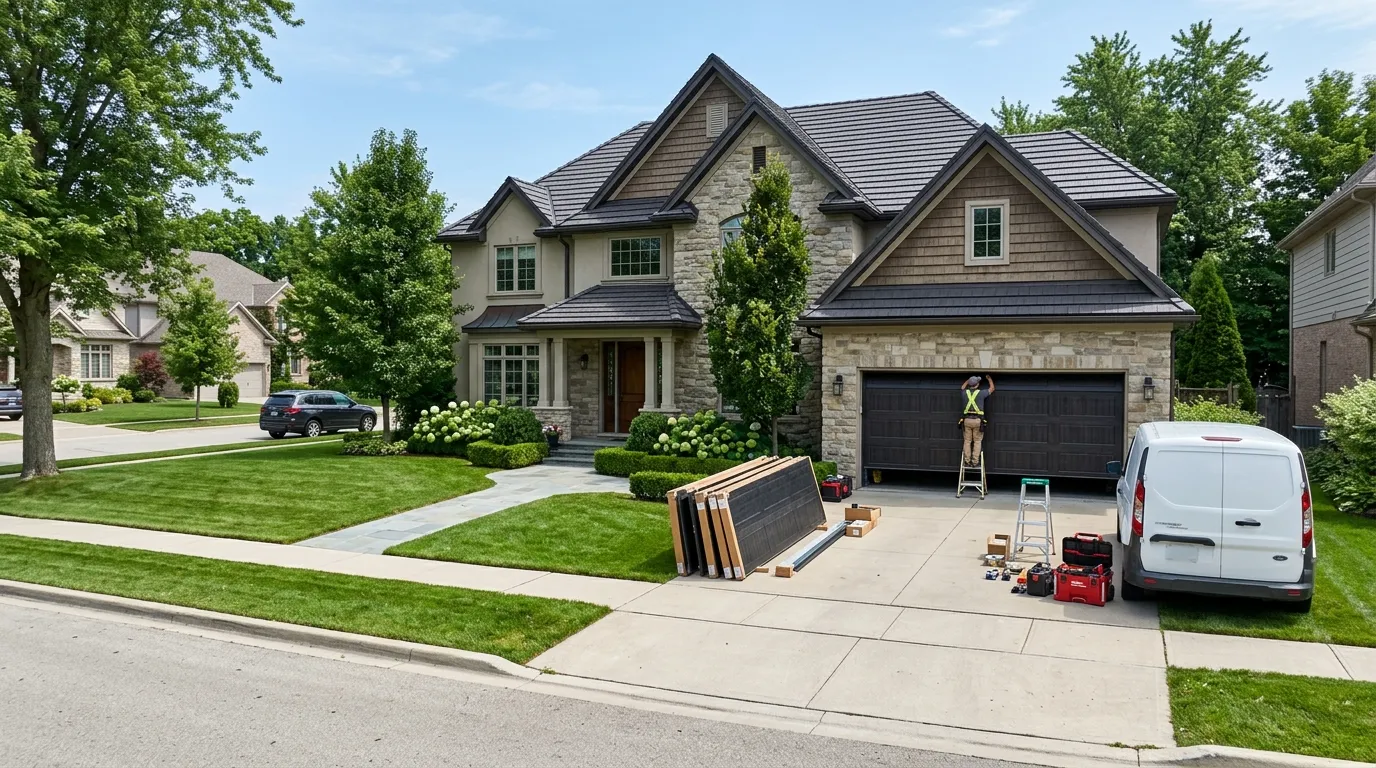
Most of the housing stock in the San Marcos service area went up between 1984 and 2014, with a heavy concentration in 1980s and 90s builder-grade construction across the area's neighborhoods. That era of garage door hardware used thinner galvanized cable than what's standard today, and after twenty-five to forty years of daily cycling, individual strands start to give before the whole cable snaps. You'll often see it first as a few broken strands near the drum, not a clean break. Climate plays a smaller role here than in colder states - San Marcos sits in a mild band with only occasional freezes, so we're not dealing with the freeze-thaw cracking that splits cable coating further north. What we do see is UV and heat drying out the factory lubricant faster than the cable itself wears, so a cable that looks fine can still be running dry against the drum. Add a door that's slightly out of square from age, and one cable takes more load than the other, wearing faster. That mismatch, not any single bad day, is usually the real cause.
How It Shows Up
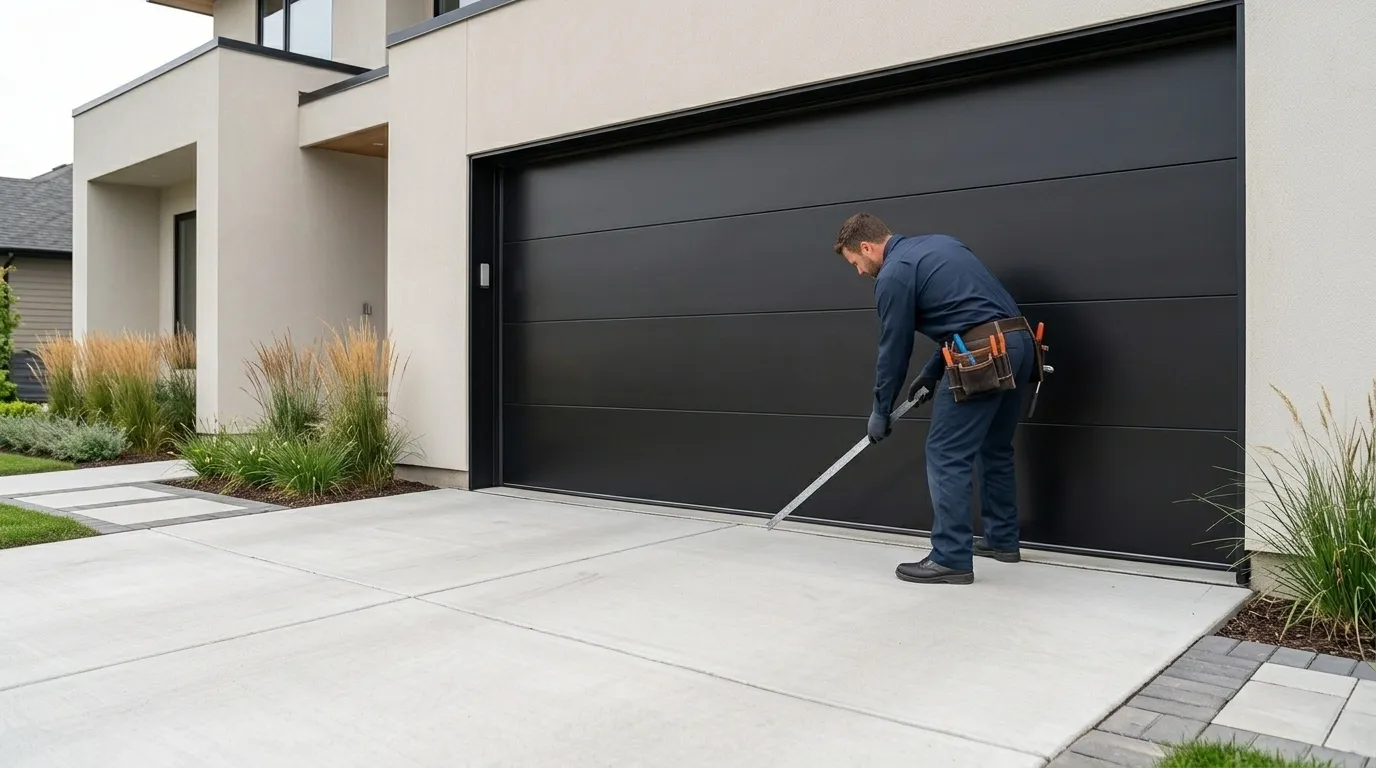
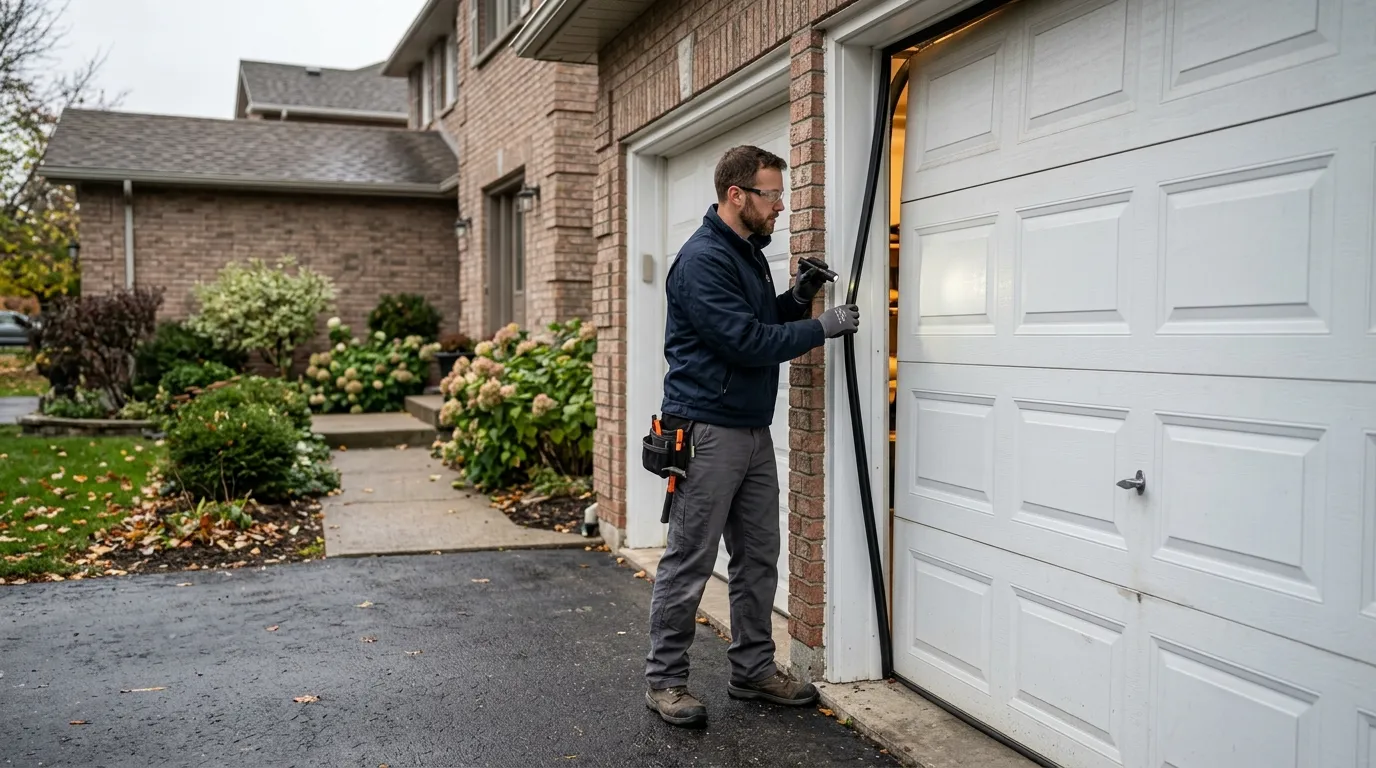
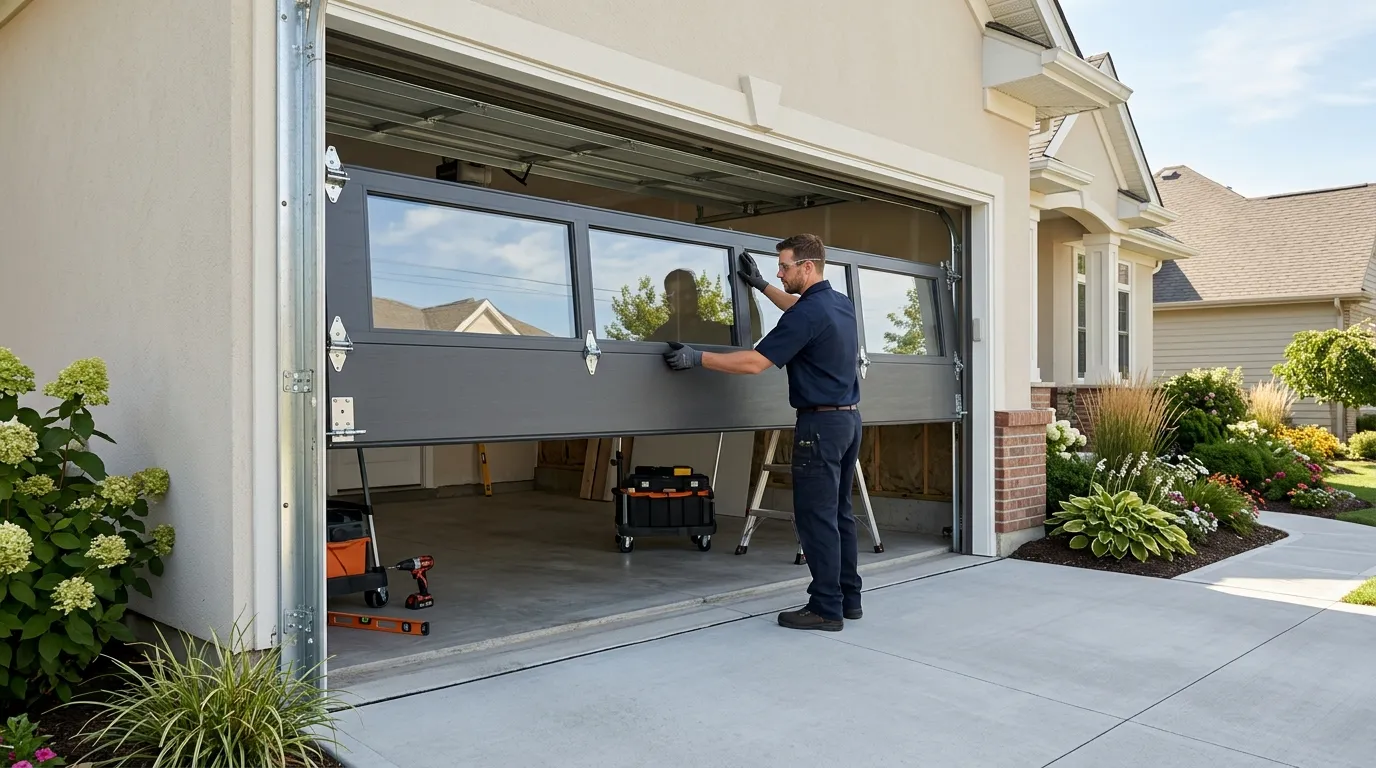
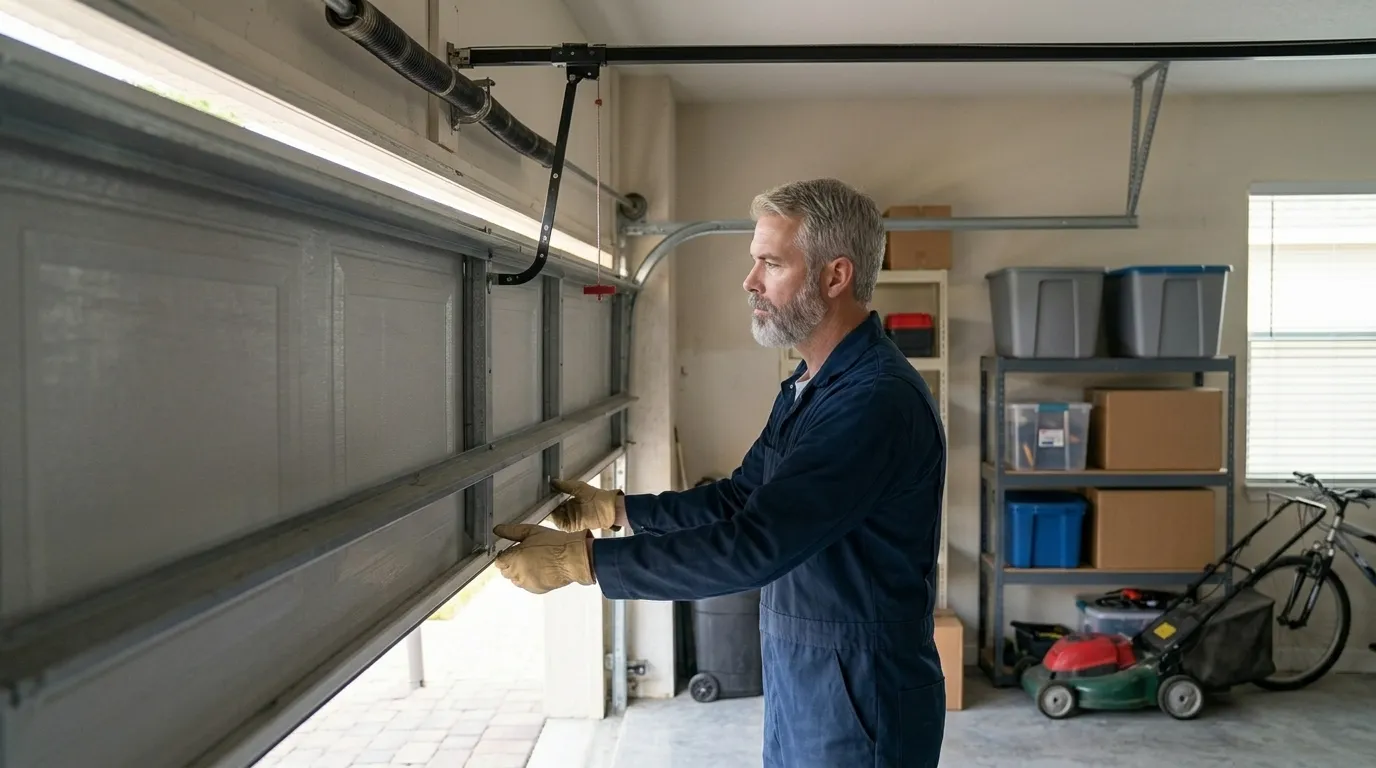
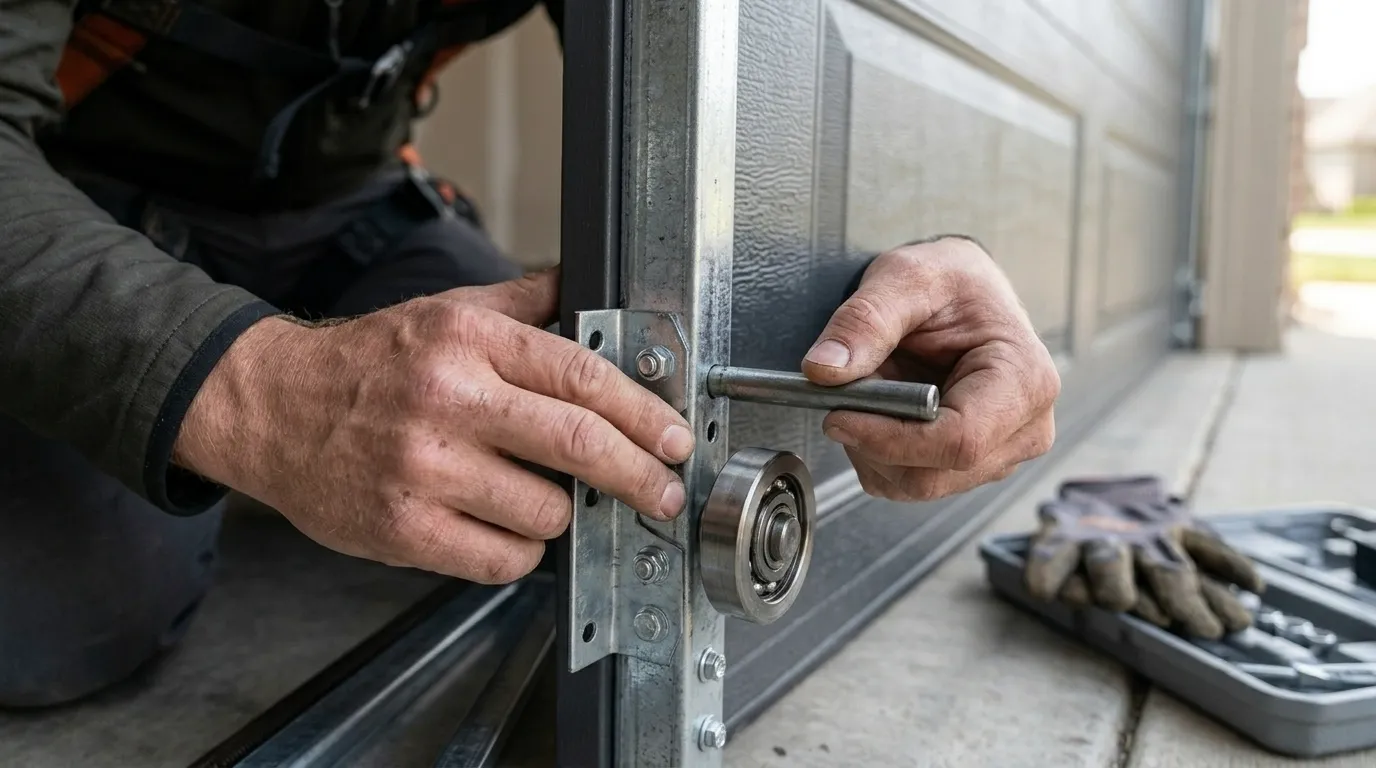
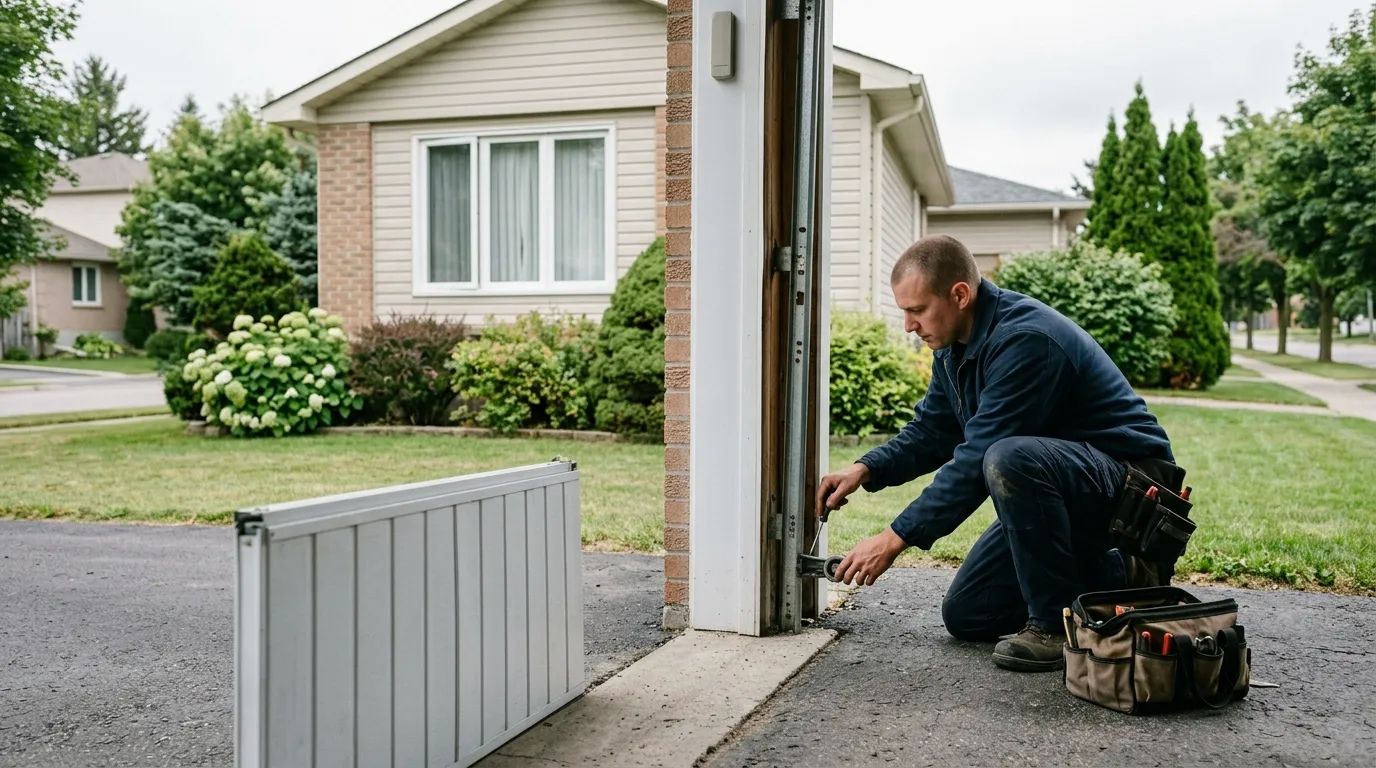
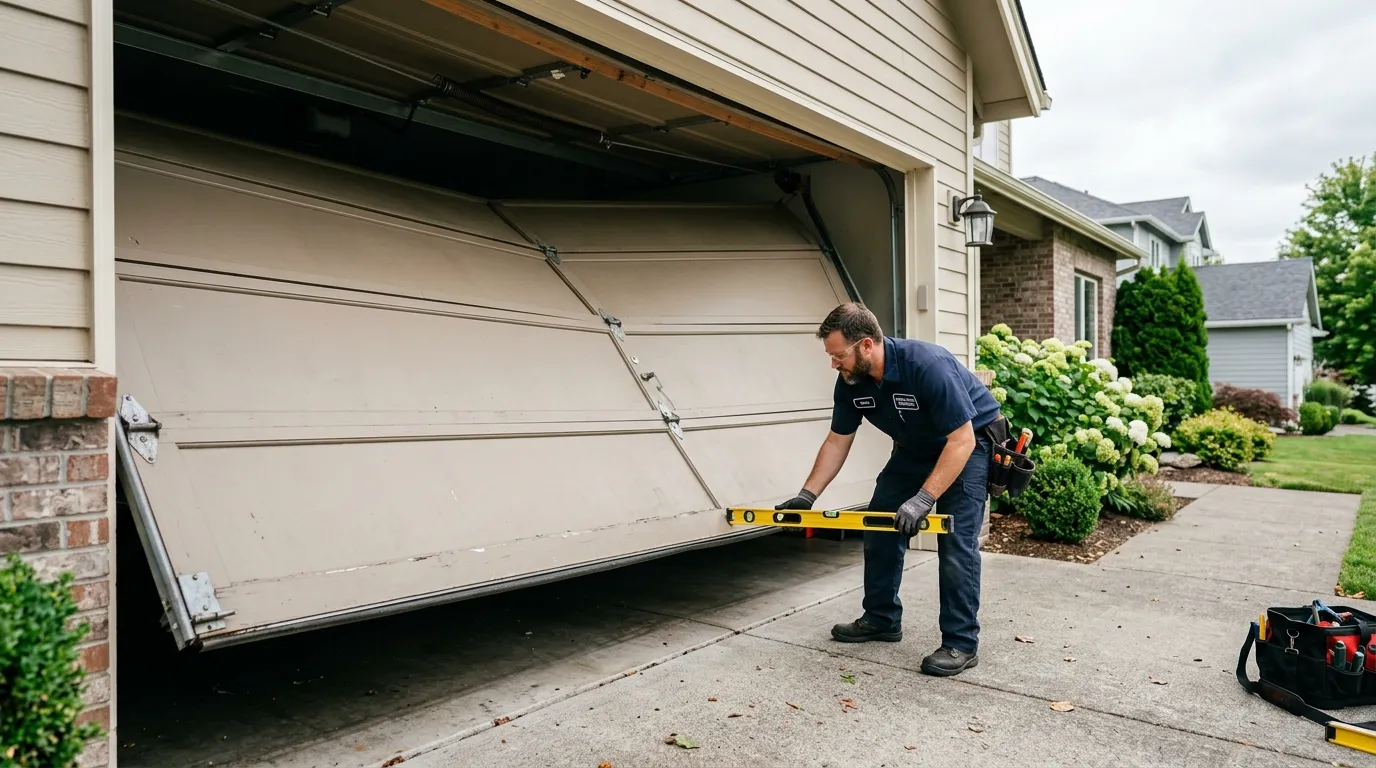
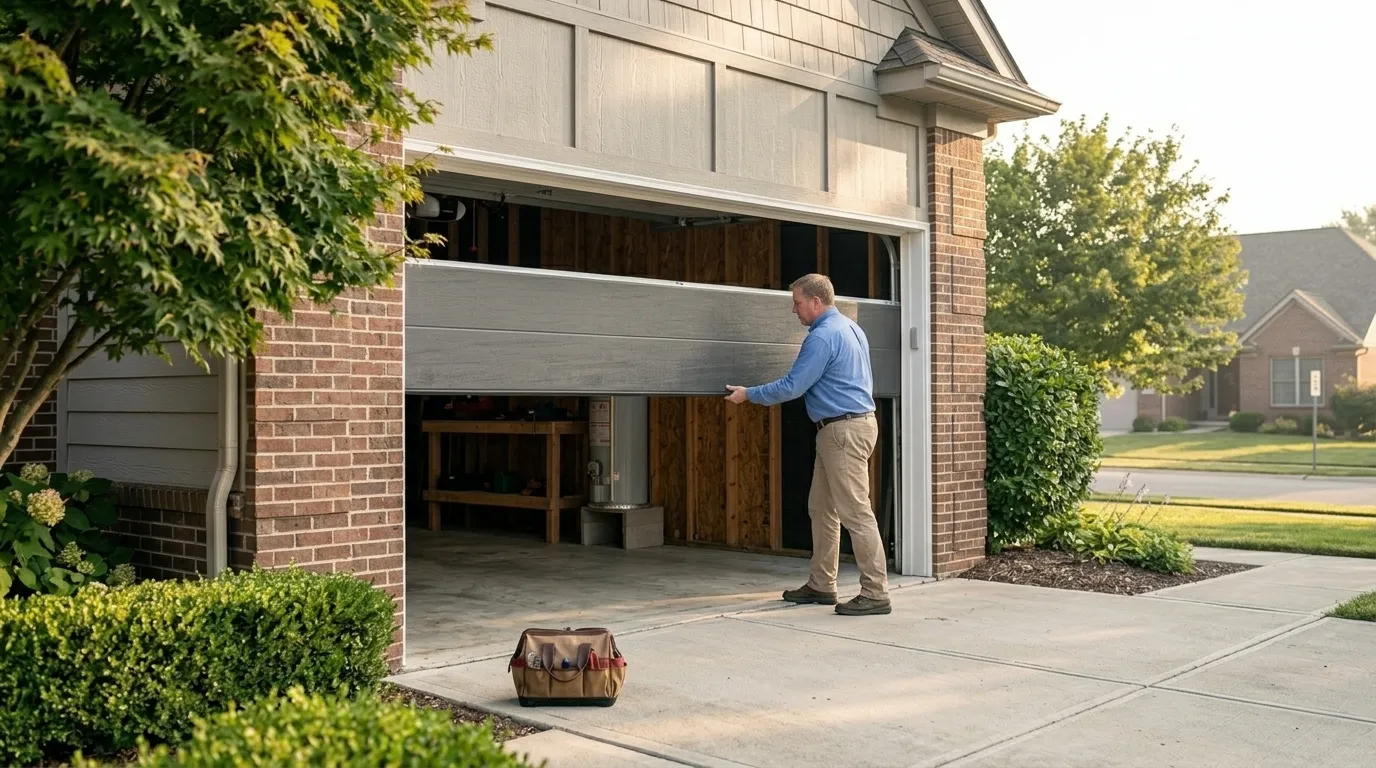
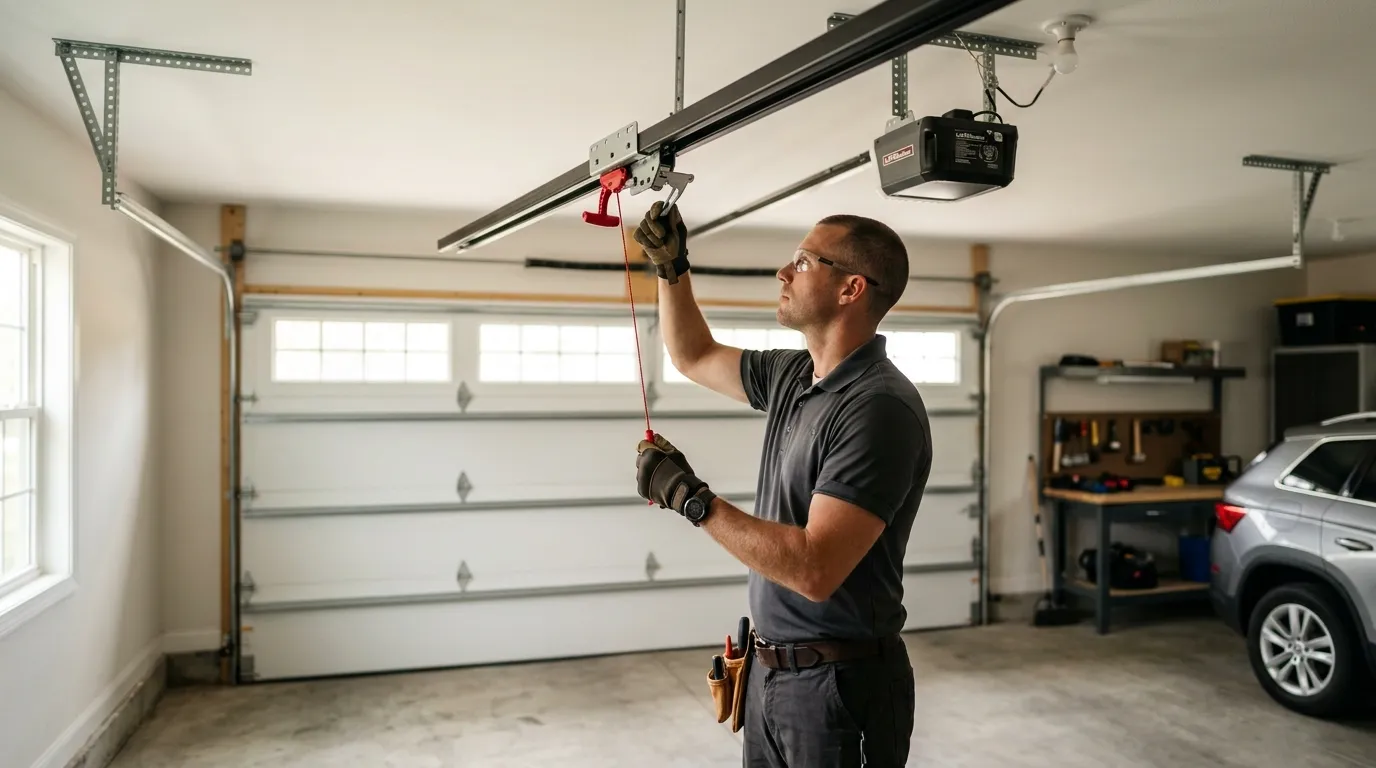
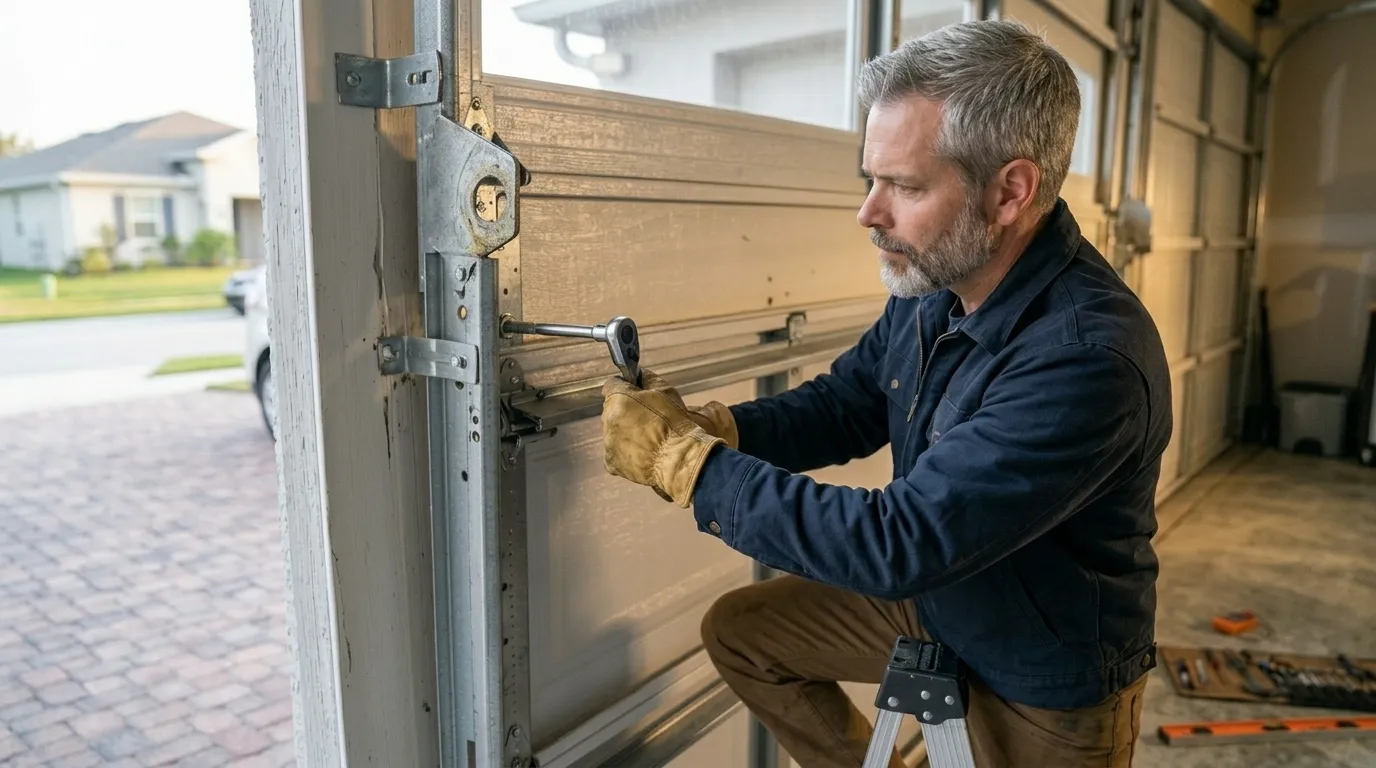
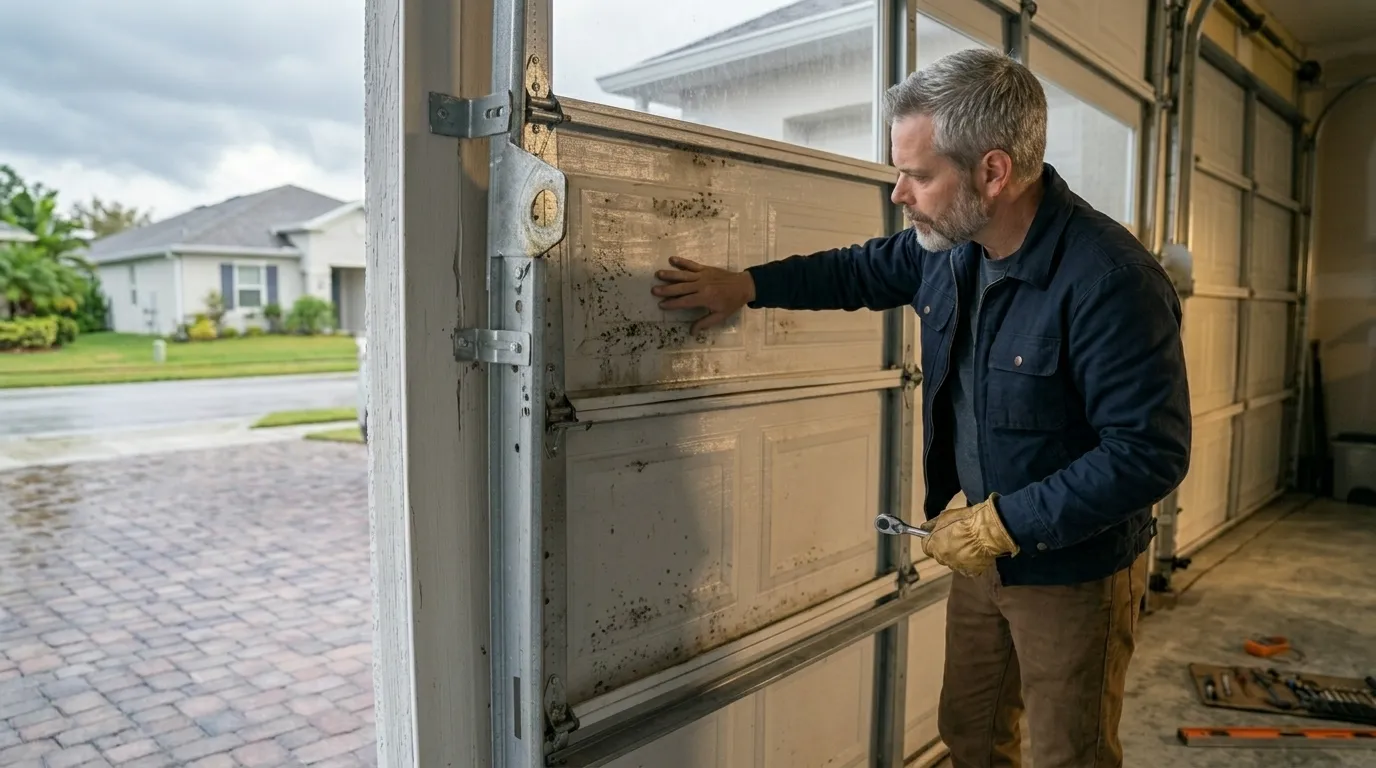
The most common call is a door that hangs crooked, low on one side, because one cable has slipped off its drum or snapped outright. If both cables are still attached but one has stretched or frayed, the door might close unevenly or bind partway down the track. A door that reverses on its own partway through closing, or that the opener strains against, can also point to a cable dragging instead of running clean. Frayed strands sometimes show as small wire snags near the bottom bracket - worth a look with the door open and the opener disconnected, never with the door under spring tension. A full snap is the loudest version: the door drops fast and won't lift, sometimes with a sharp bang as the cable lets go. Any of these is worth a call before you try to force the door up or down, since a partially failed cable under load is what causes the drum or track to bend next, turning a cable job into a bigger one.