Garage Door Spring Repair for San Marcos, TX Homes
San Marcos garage door spring repair for houses built 1984-2014. We size springs to your door's weight, age, and our area's mild, freeze-prone climate.
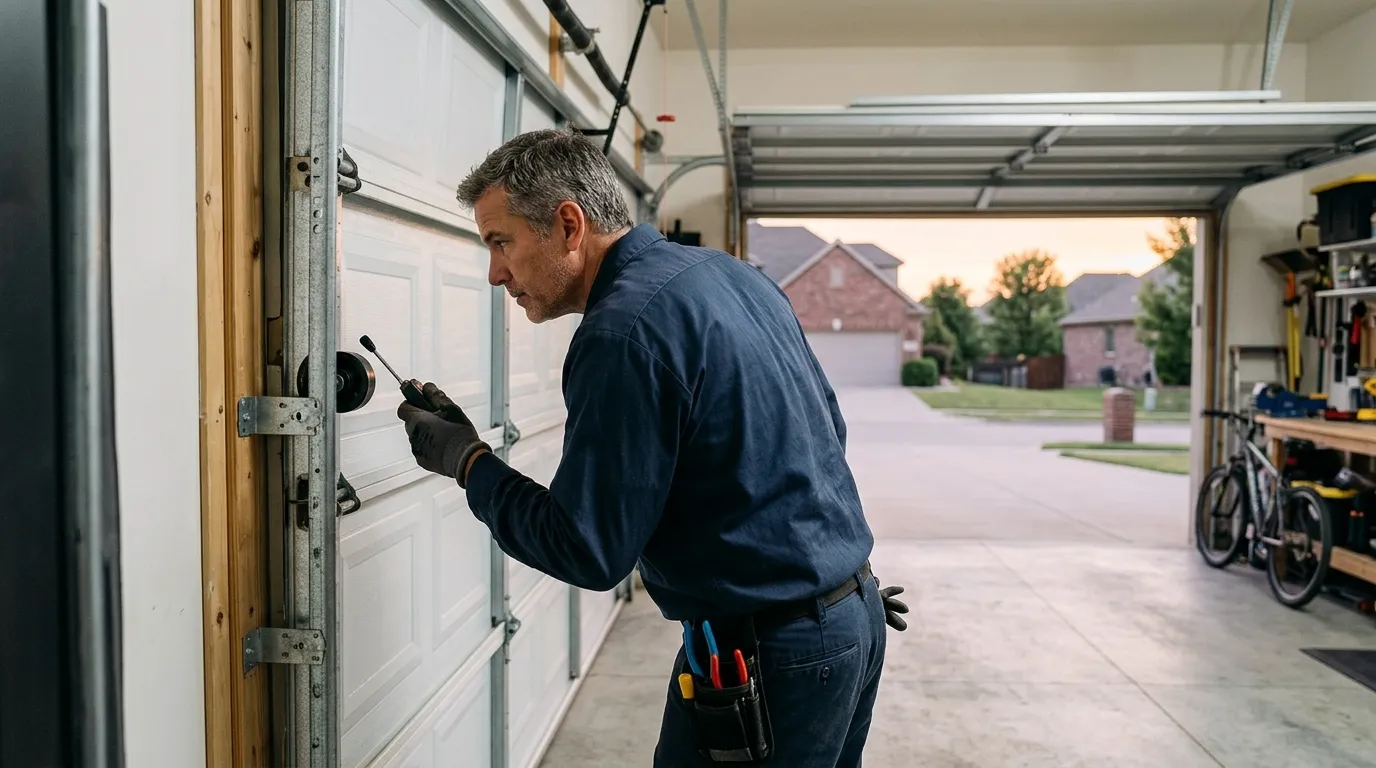
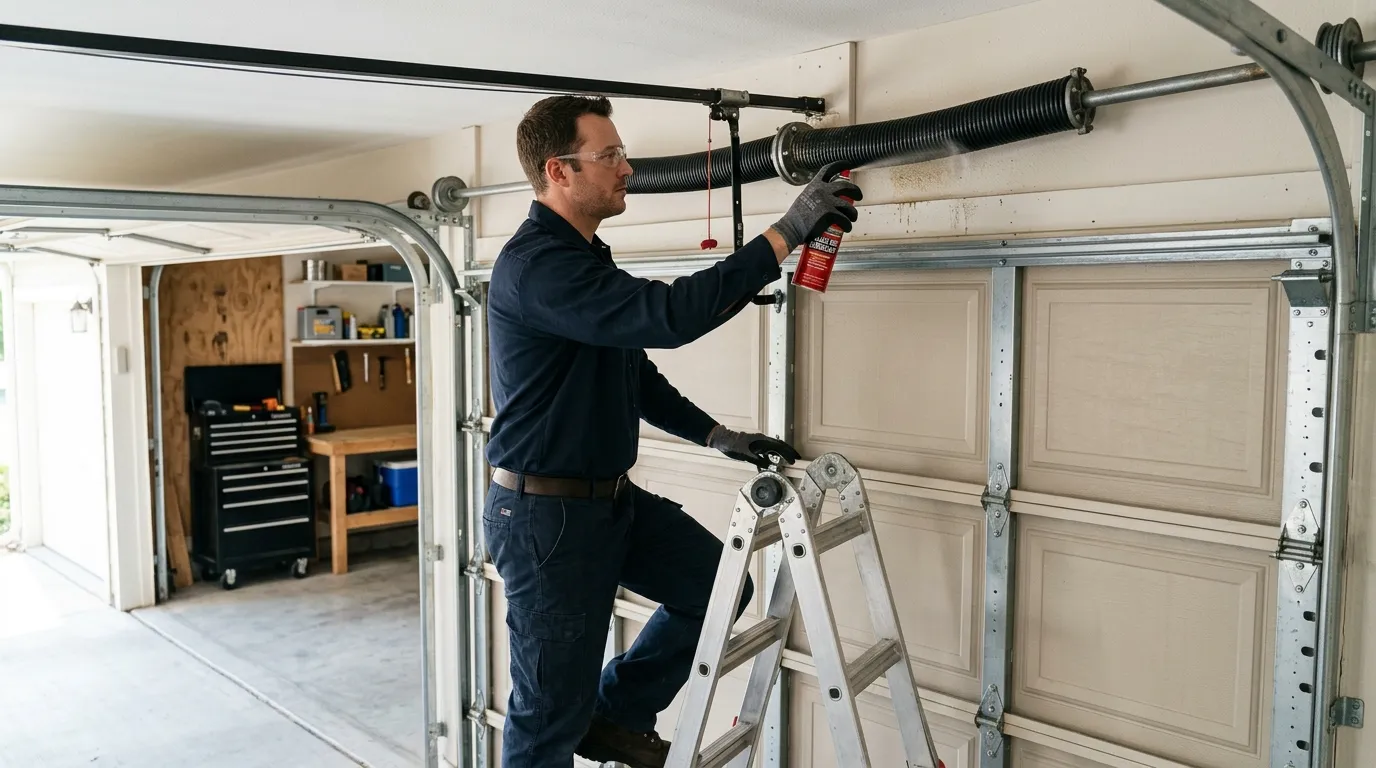
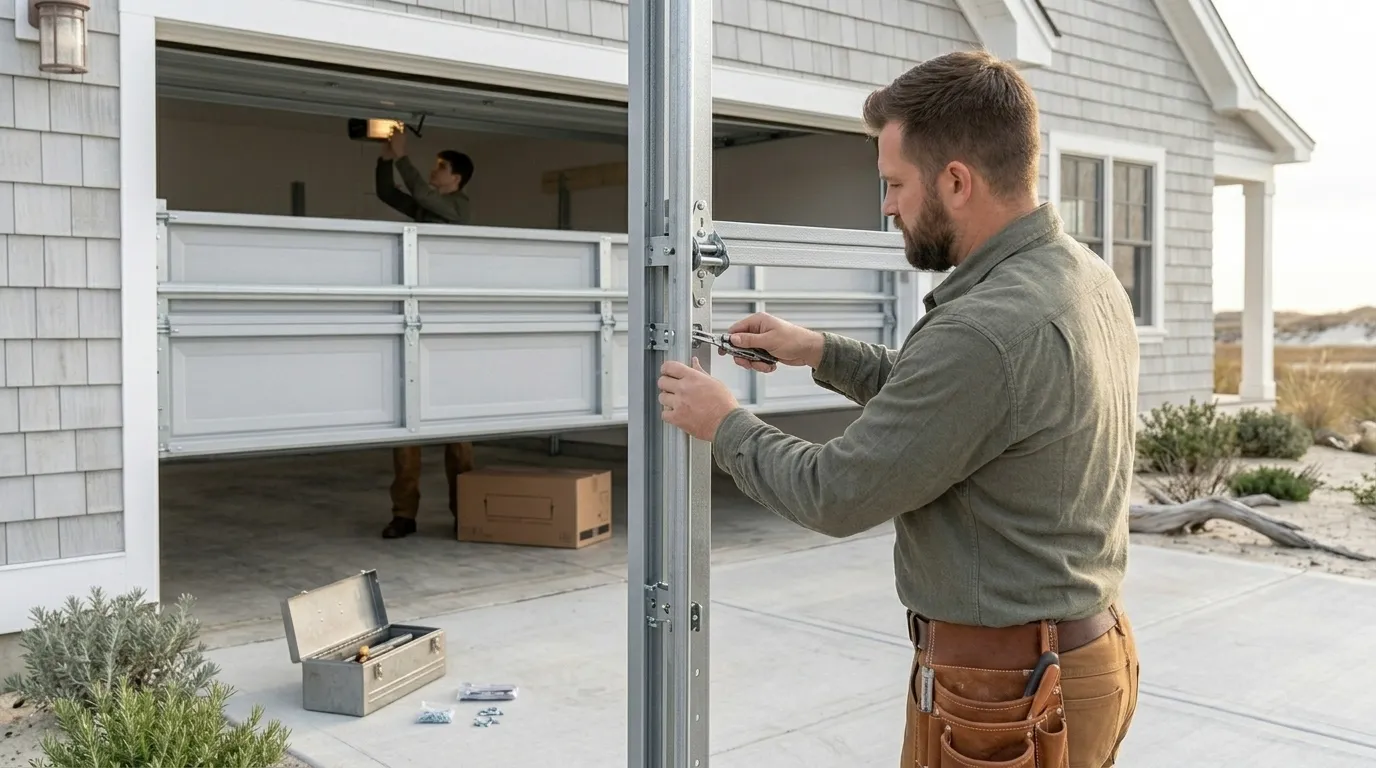
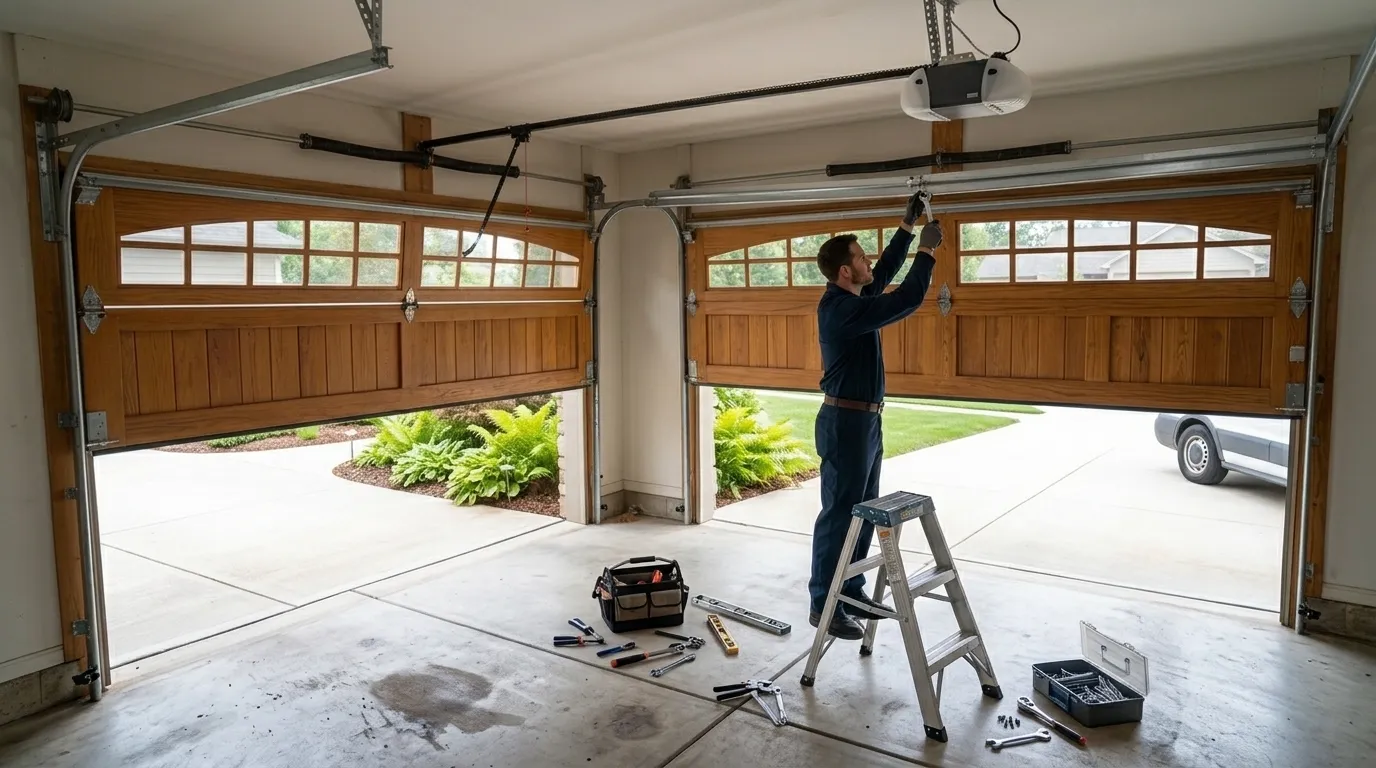
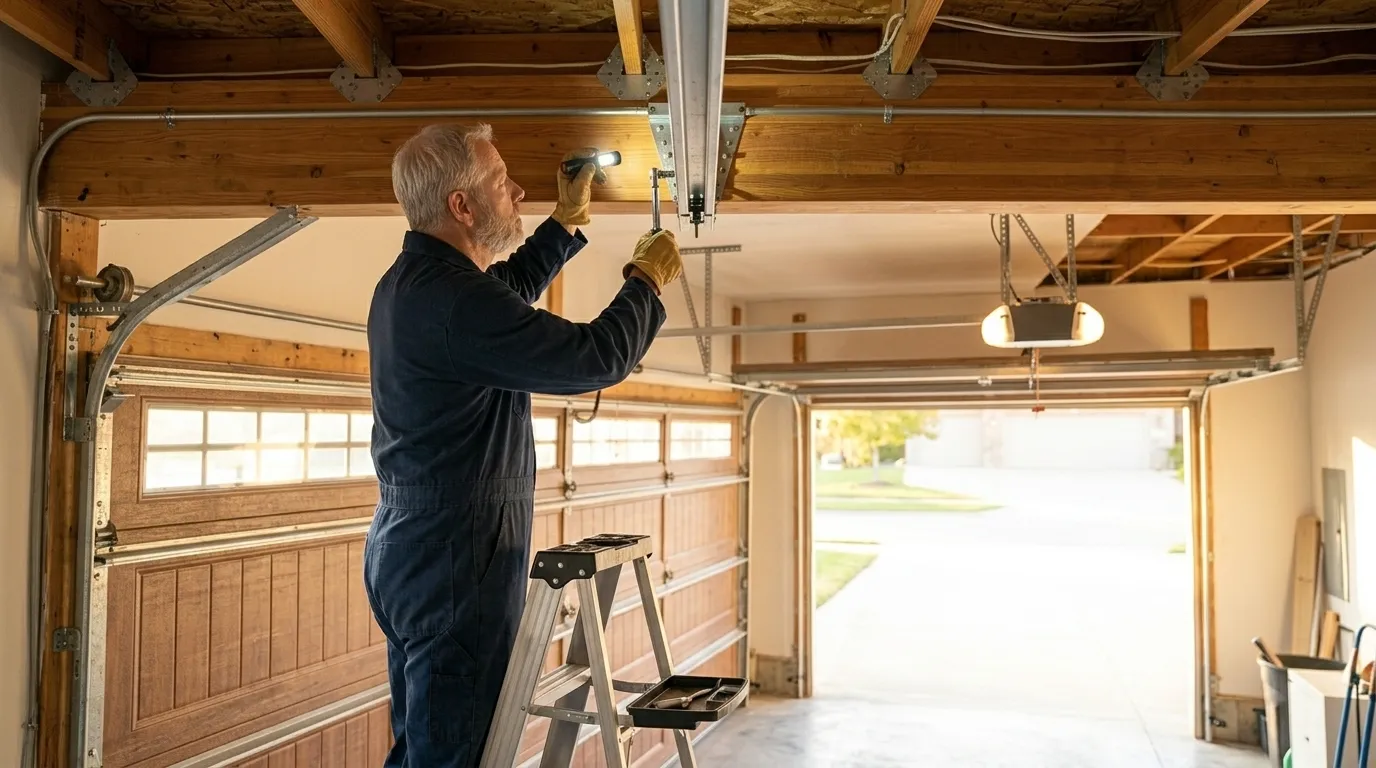
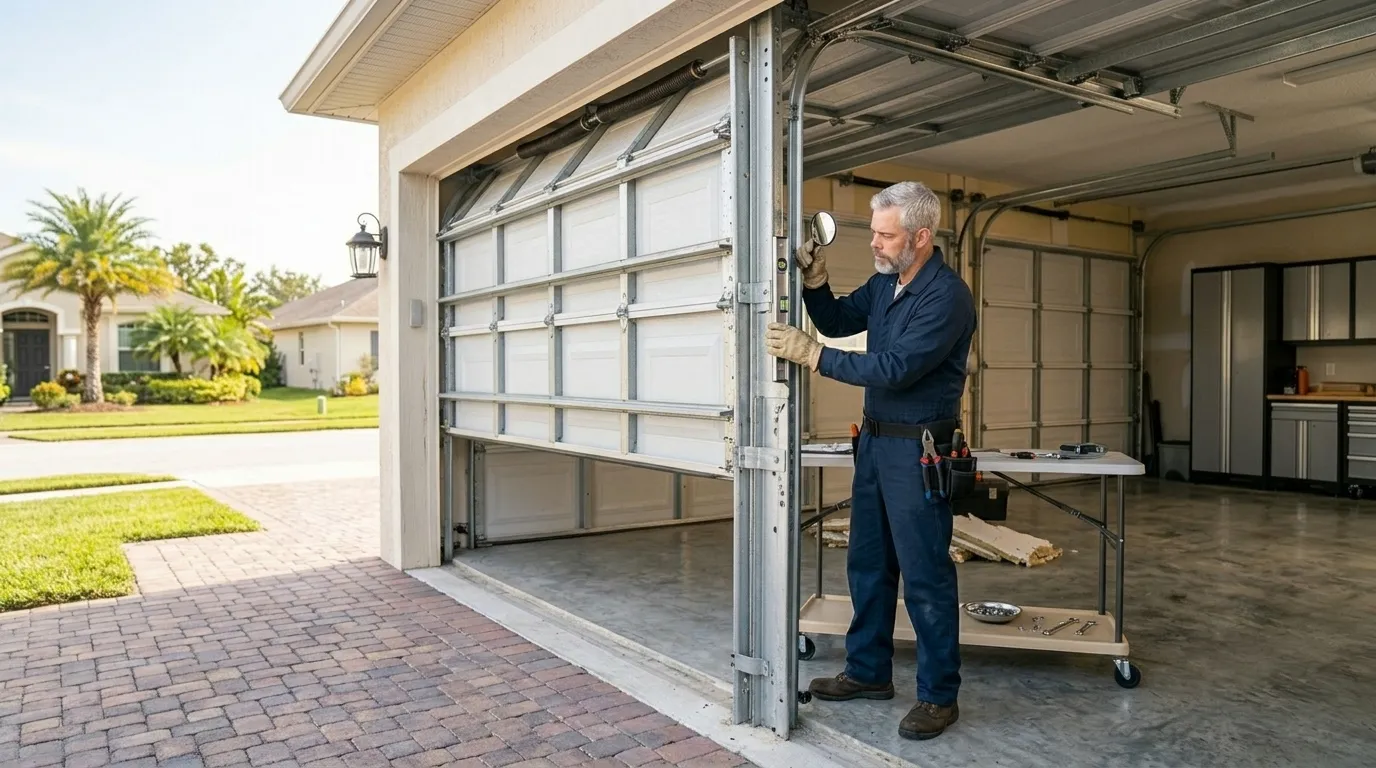
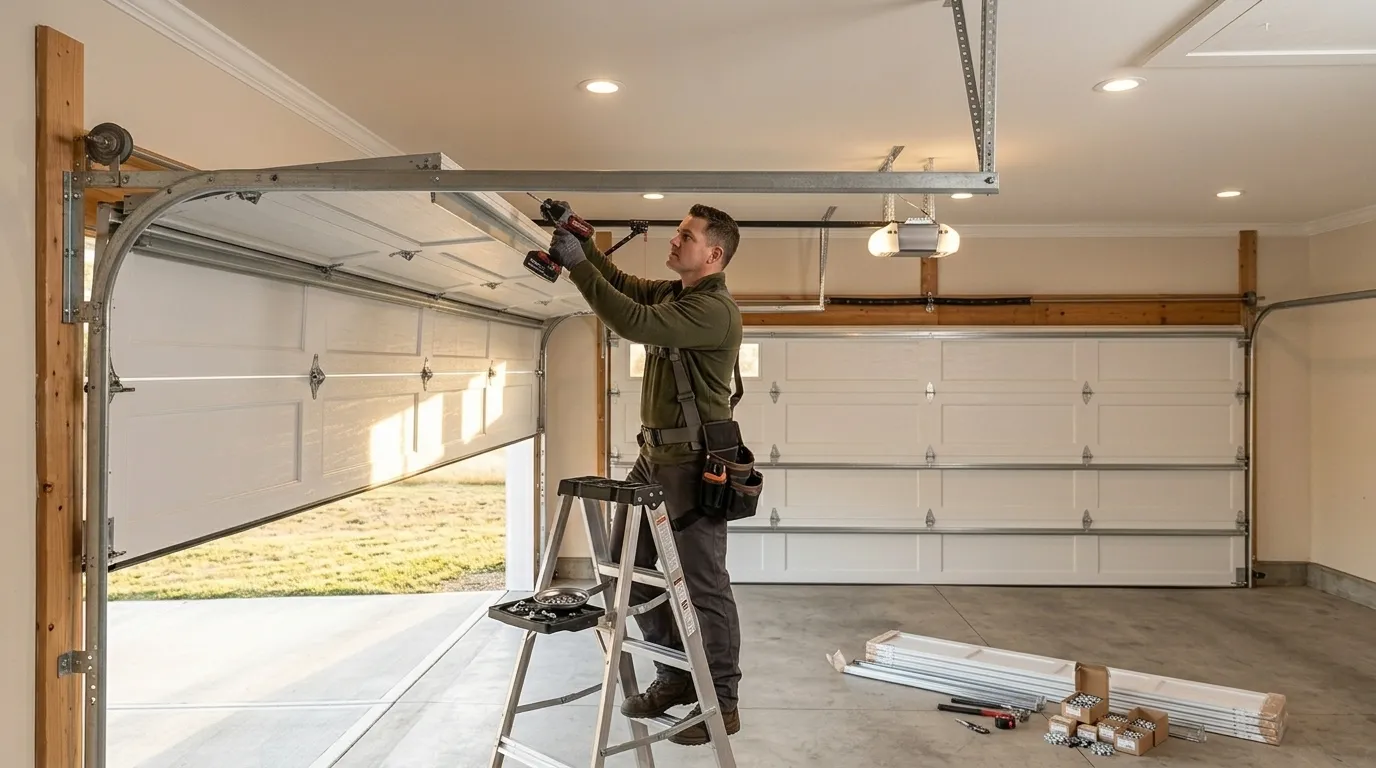
A torsion spring job is one of the more predictable calls we run. We check the door's weight and track setup, match spring wire size and wind to that door, and test cycle count before we leave. What we won't do is quote a spring swap over the phone without seeing the door - a two-car door on a heavier insulated panel needs a different spring than the single-car door next to it, and guessing wrong means a return trip. If the drum, bearing plate, or cable is also worn, we say so before we start, not after we've billed for a spring. Most of the houses we work on here were built between 1984 and 2014, so the openers and hardware we find are a mix of original builder-grade parts and later replacements - which changes what we're actually diagnosing on any given call. We carry common torsion sizes on the truck; anything unusual means a short parts delay, and we tell you that up front rather than padding a number we don't have.
What Causes It Around Here
Springs fail from cycle count and from what the metal goes through, not just age on a calendar. San Marcos sits in a mild climate band that still sees occasional freezes, and that swing matters more than people think - steel contracts in a cold snap, grease stiffens, and a spring that was already near the end of its life takes the extra load on the next cold morning. Most of the housing stock across the areas we cover is 1980s and 90s construction spread over sixteen named areas, with the broader service area's build years running from 1984 to 2014 and a median around 1996. That means a lot of original torsion springs are now thirty-plus years into a part rated for a fixed number of cycles, installed before anyone in the house was thinking about maintenance. A door opened twice a day for three decades has put a real number of cycles on that spring, freeze mornings included, and the spring doesn't care what year it is when it finally lets go.
How It Shows Up
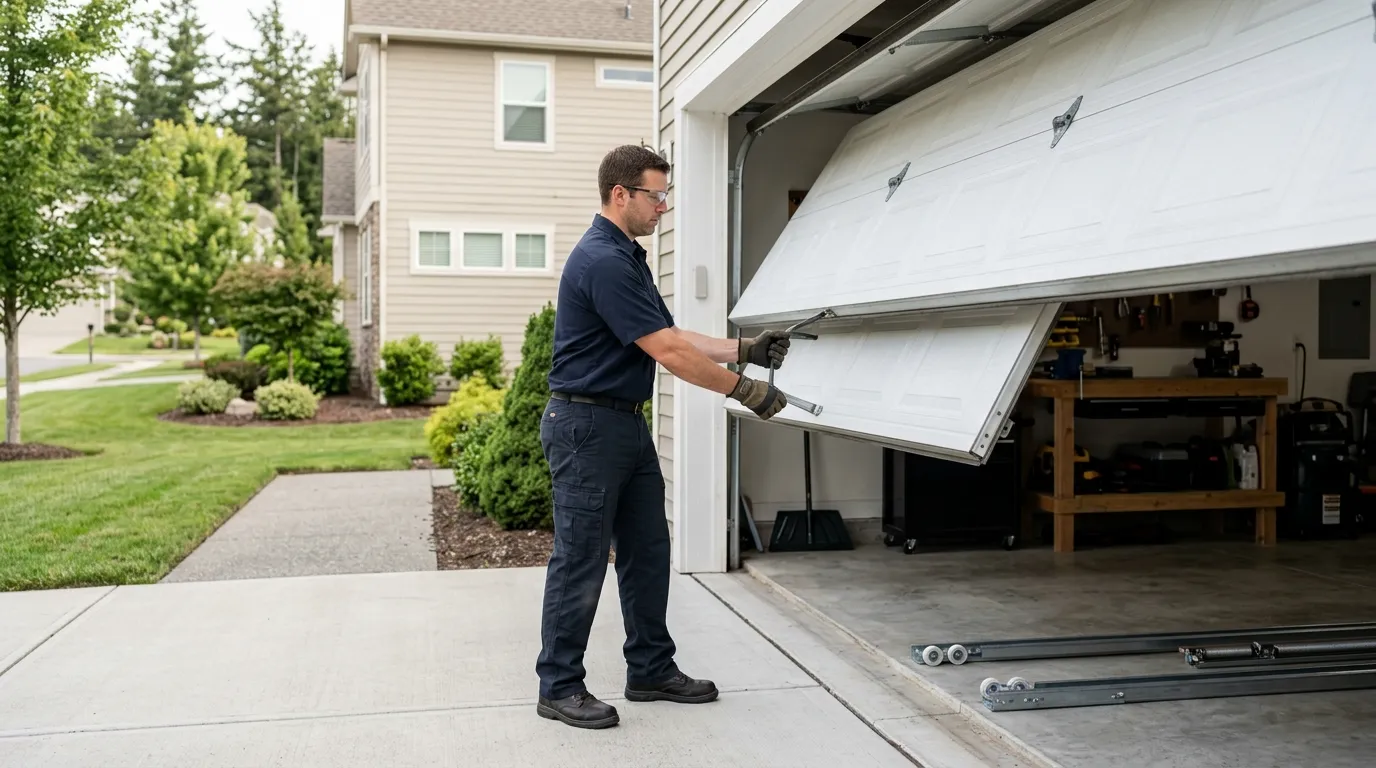
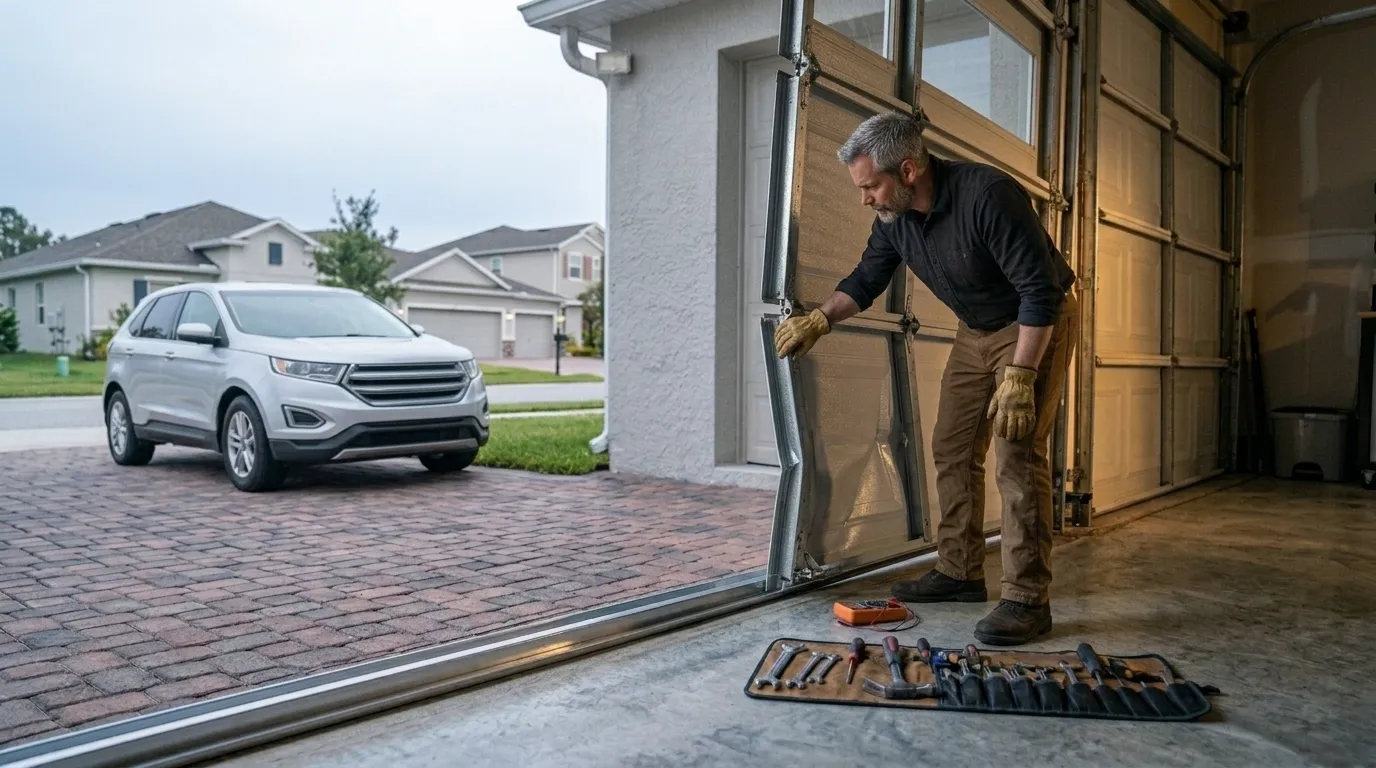
The most obvious sign is a door that won't budge, or one that lurches up a few inches and stops - that's the opener trying to lift a full door's weight with no spring assist behind it. You might hear a bang from the garage, usually early or late in the day when temperatures swing; that's a spring snapping under tension, not a break-in. A door that feels heavier than it used to, one cable visibly slack while the other stays tight, or a door that slams down instead of lowering evenly are all signs the spring is going before it fully fails. Some owners notice the opener straining, clicking, or reversing partway through its cycle - the motor is compensating for a spring that's no longer carrying its share of the load. None of these are safe to force past. A door running on one working spring on a double-spring setup will keep opening for a while, right up until the second spring goes too, usually at the worst possible moment.
What the Repair Takes
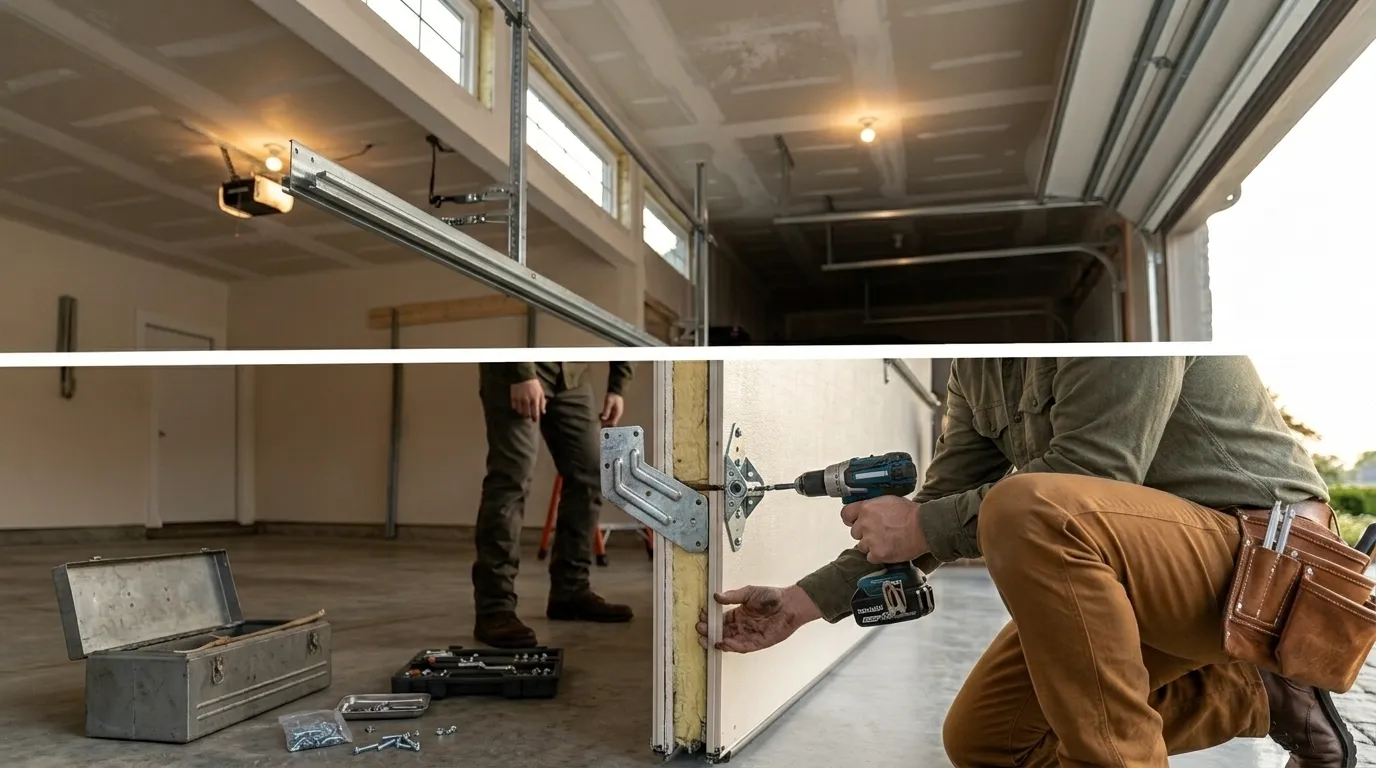
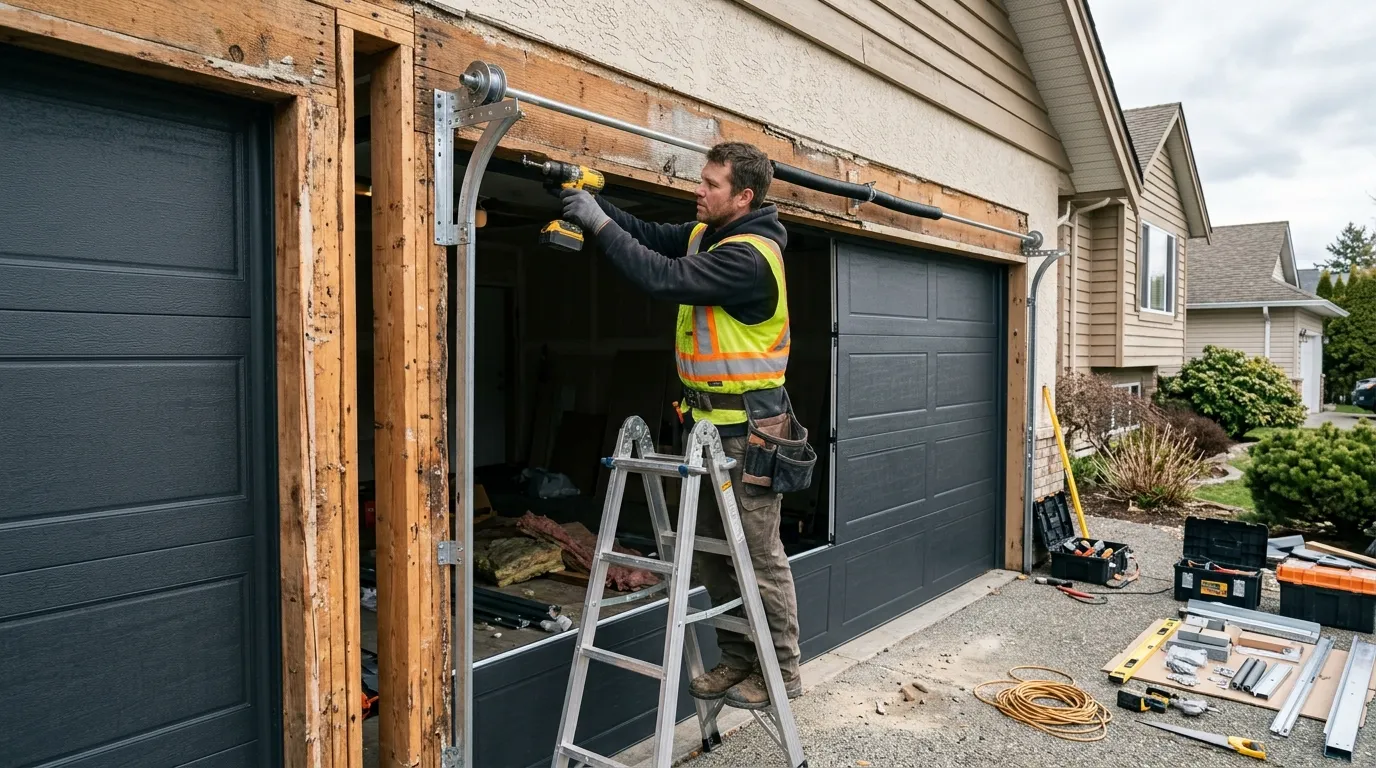
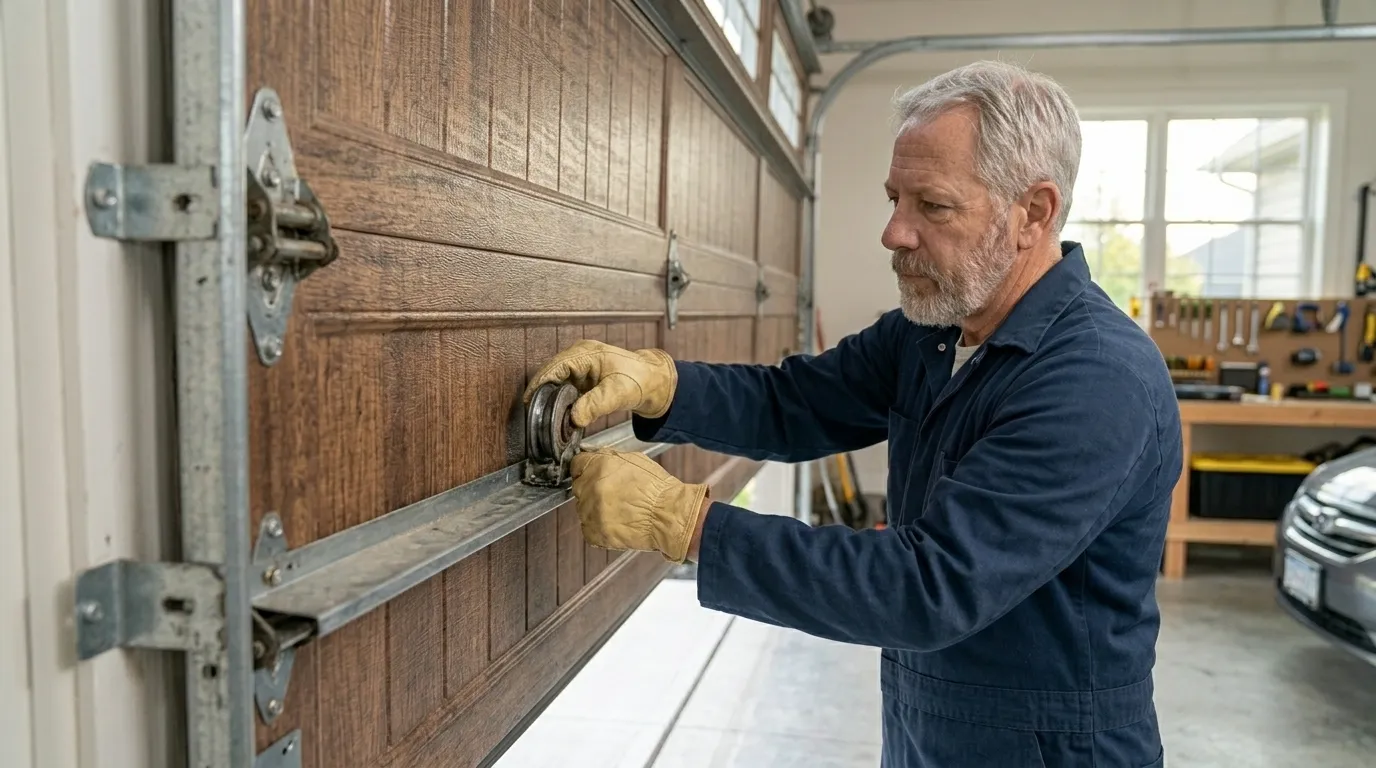
We replace both springs on a double-torsion setup even if only one has broken - running one worn spring against one new one just moves the next failure a few months down the road. The shaft, cable drums, and center bearing get inspected while the door is under tension anyway, since that's the only safe time to look closely at them. We size the new spring to the door's actual weight and travel, not to what was on the shelf, then set the winding cones to the torque that door needs. Household income across the service area runs a median of $80,830, and with 54,708 households and 31,977 owner-occupied houses in the mix, we see everything from a light single-car door to a heavy insulated double, and the spring spec has to match the door in front of us, not an average. One limitation worth saying plainly: if the drum or shaft is bent from the spring failure, spring replacement alone won't fix the door, and we'll tell you that instead of sending you home with a partial repair.
How it works
From “it’s stuck” to “it’s fixed”
01
Tell us what’s wrong
Describe the symptom - won’t open, loud bang, opener runs but the door won’t move.
02
On-site diagnosis
A technician tests the door under power and by hand and finds what actually failed.
03
Clear, up-front plan
You get the fix that’s needed and what drives the cost - before any work starts.
04
Repaired & tested
The repair is done, the door is set true and tested, and the work area left clean.
Serving San Marcos, TX - tell us what your door’s doing and we’ll take it from there.
How do I know if it's the spring and not the opener?
If the door won't lift, lifts only partway, or the opener strains and reverses, the spring is usually carrying less weight than it should. Pull the release and try lifting the door by hand - if it feels heavy or drops on its own, that points to the spring, not the motor.
Can I just replace the one spring that broke?
On a double-torsion setup we replace both. The spring that hasn't broken yet has been carrying the same cycles as the one that did, and pairing a new spring with a tired one usually means a second call within months.
Does San Marcos weather affect how often springs fail?
Our mild climate with occasional freezes puts extra strain on springs already near the end of their cycle life - the metal contracts and grease stiffens on cold mornings, which is often when an aging spring finally lets go.
My garage door is original to a 1990s-built house - is the spring original too?
Often, yes. A lot of the housing stock here dates to the 1980s and 90s, and builder-grade torsion springs from that era are well past a normal service life. If no one's replaced it, it's worth having checked before it fails on its own.
Ready to get your garage door sorted?
Tell us what it’s doing and where you are in San Marcos - we’ll take it from there.