The DIY Question
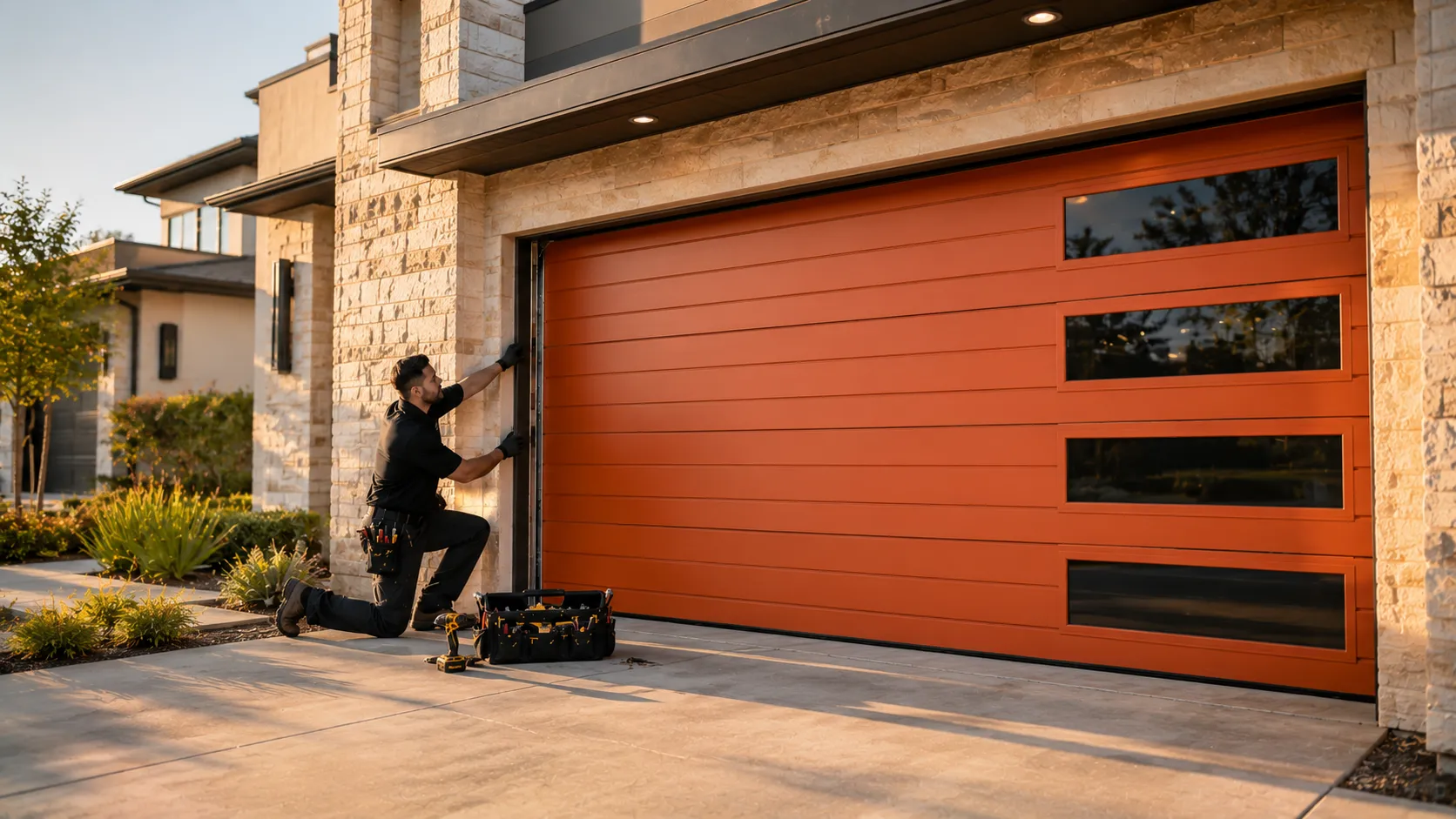
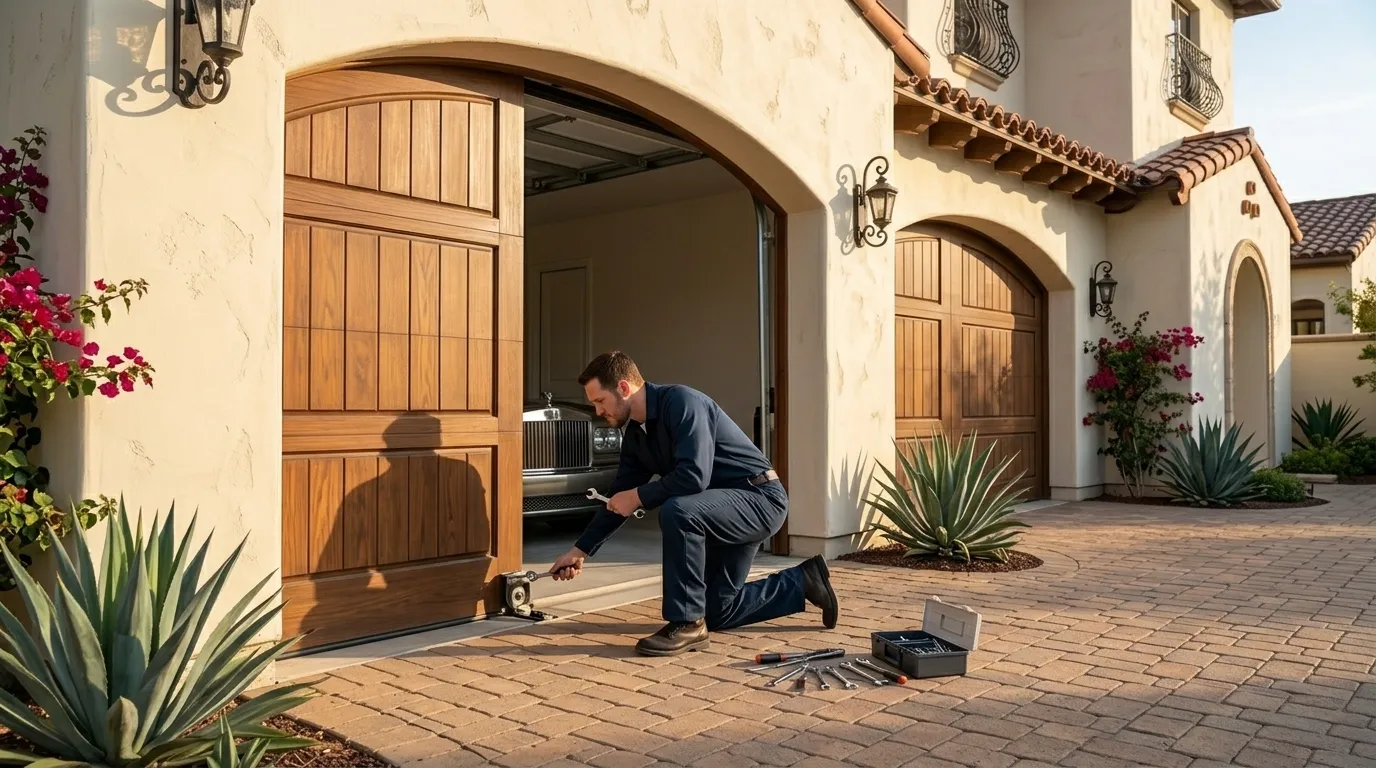
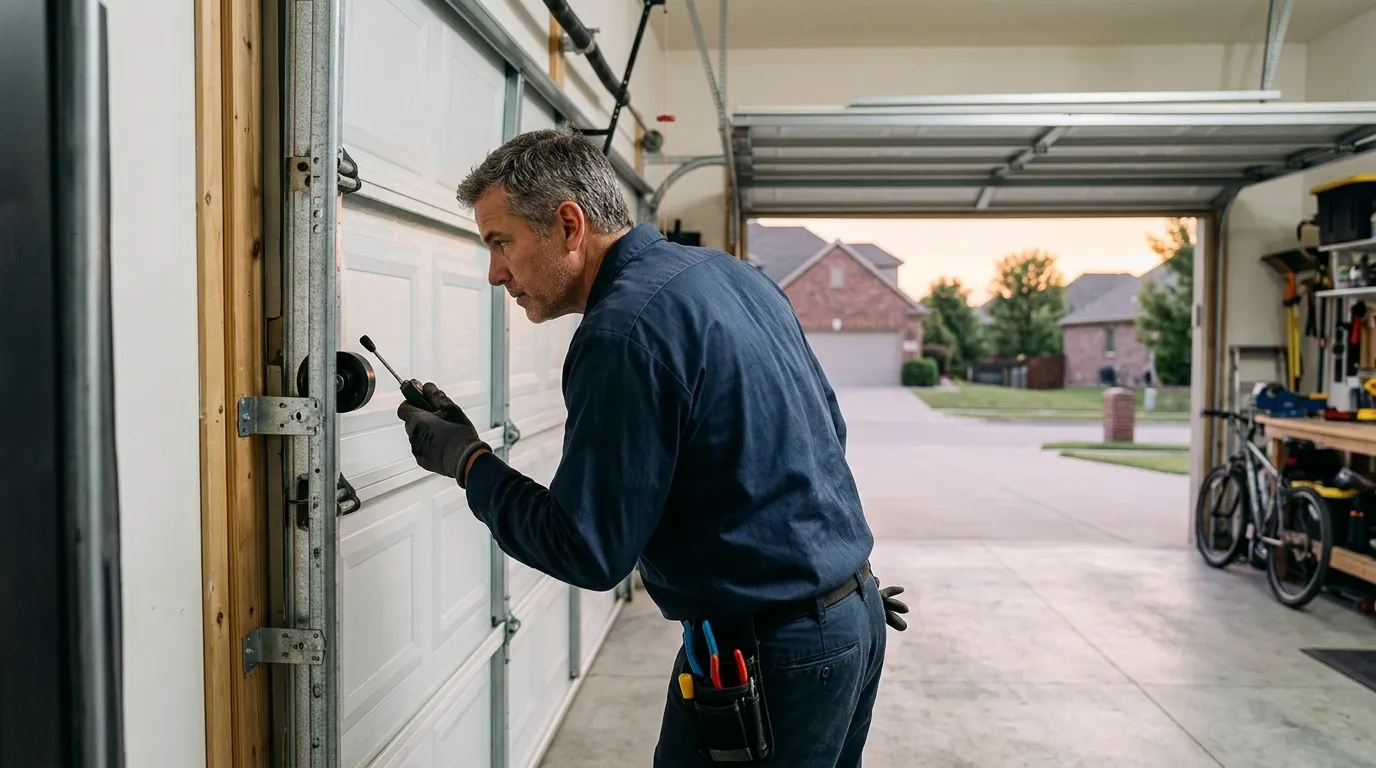
A garage door spring is one of the few things in a house that can put you in the hospital if you get the tension wrong, and that's true whether the door was built last year or in the 1980s. We're not going to talk you into a job you can do safely yourself with a winding bar and a torque spec you trust - but we will say that a lot of Lockhart's doors are old enough that the spring size, drum, and cable routing don't match what's printed on a big-box replacement kit. Guessing at the wrong wire gauge on a heavier, older panel door is how people snap cables or drop a door on a car. If you've replaced a spring on a newer door before and you're comfortable with it, fine. If this is your first time and the door's original hardware, call it in instead. That's the honest limit here - we'd rather lose an easy job than watch someone get hurt on a spring that's tighter than it looks.
What Can Go Wrong
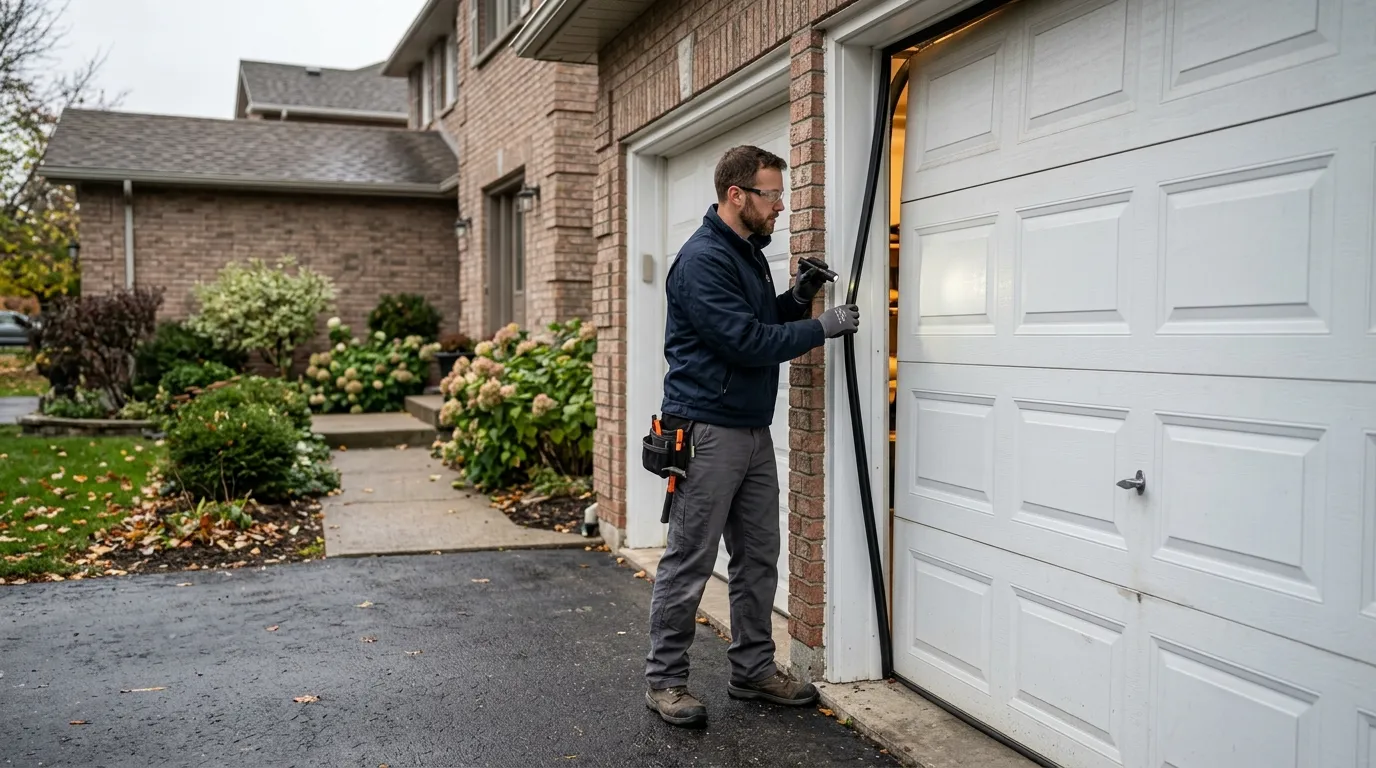
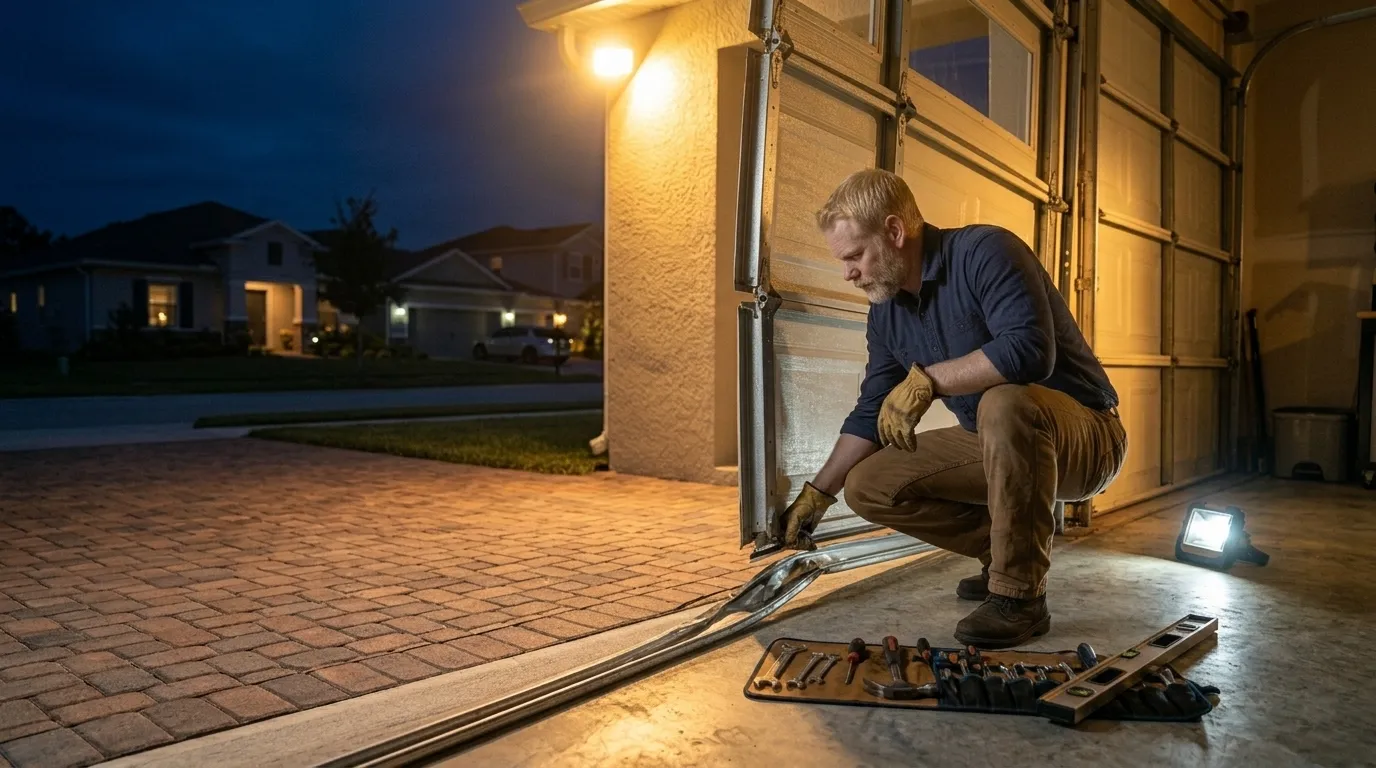
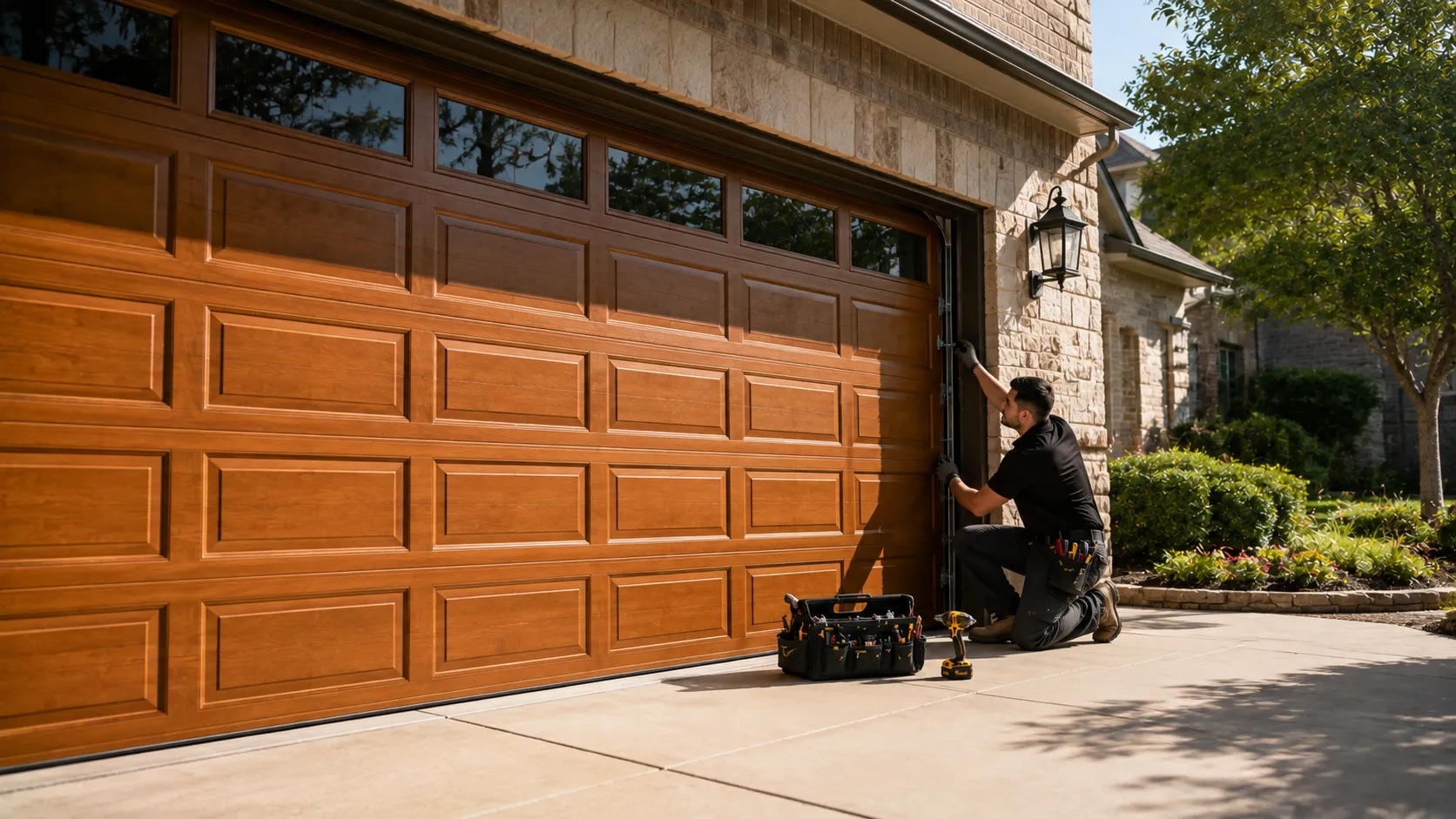
Lockhart's housing stock centers around 1984, a good decade older than the median across the wider San Marcos service area, which runs closer to 1996. That gap shows up directly in spring hardware. Doors from the mid-80s were often built heavier - solid panel construction rather than the lighter insulated steel that came later - which means the torsion or extension springs sized for them carry more load per coil. On the coastal-adjacent mild climate we're in here, with occasional freeze snaps, galvanized coil finish holds up decently, but three-plus decades of expansion and contraction still fatigues the wire past the point a paint job can hide. The other common failure on these older setups is a worn end bearing plate or a stretched extension spring on the side rails, which was standard before torsion setups took over. Both fail the same way eventually: the coil either sags and loses tension gradually, or it snaps clean, usually while the door is mid-cycle.
What the Repair Takes
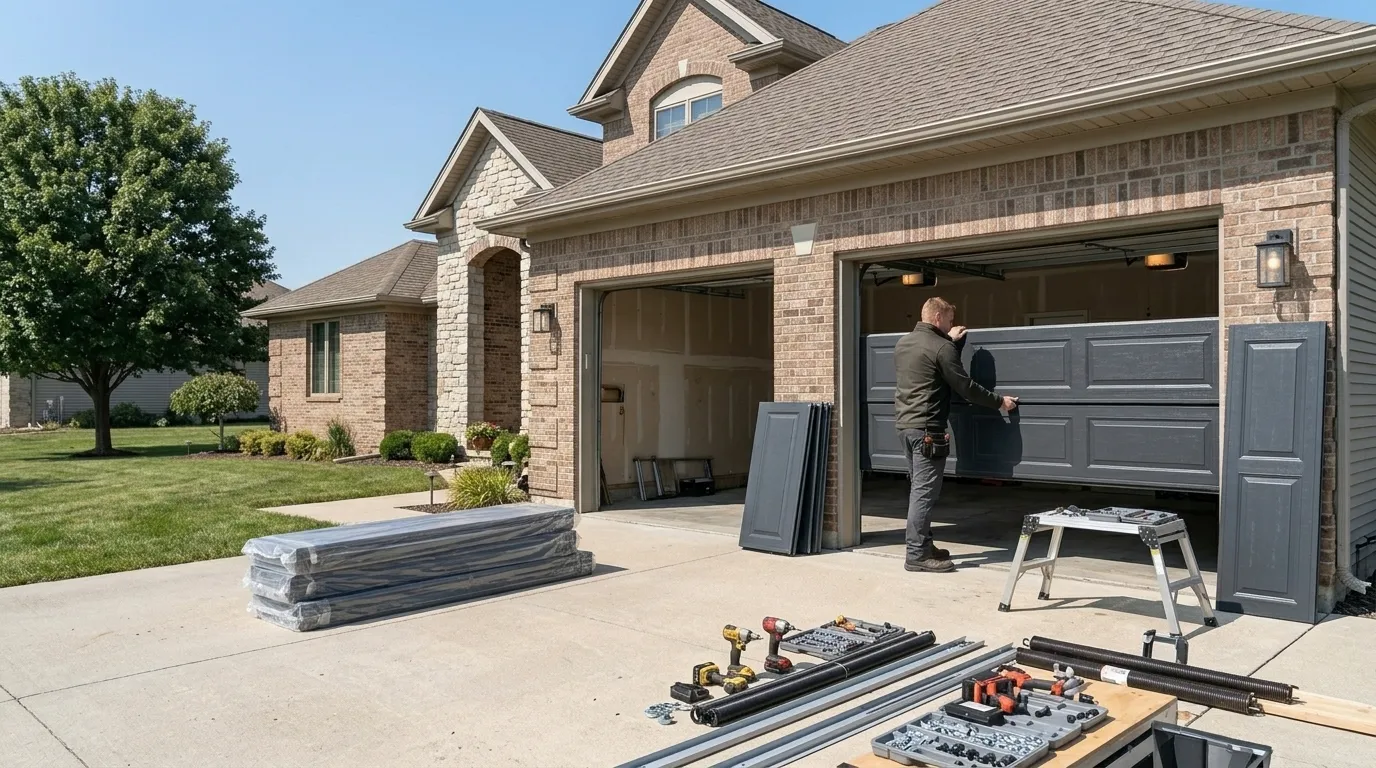
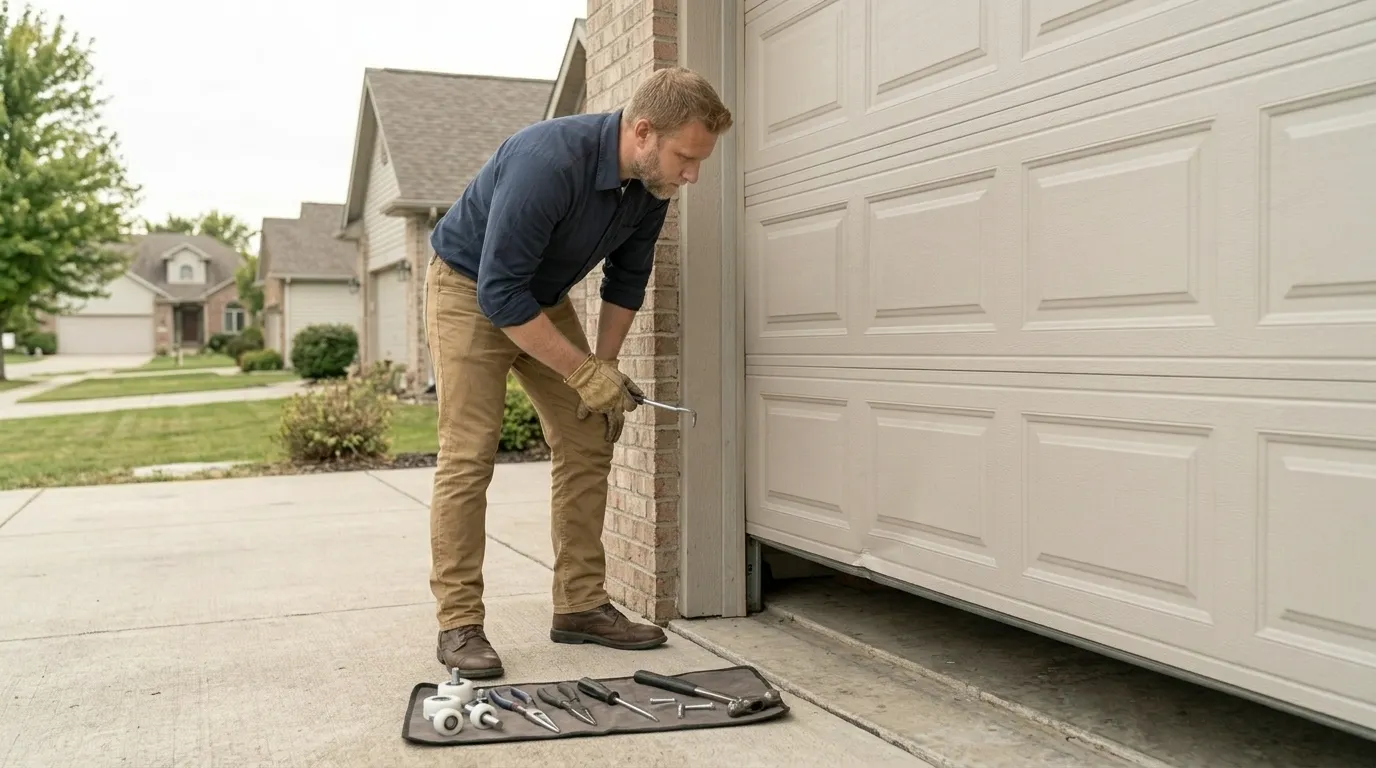
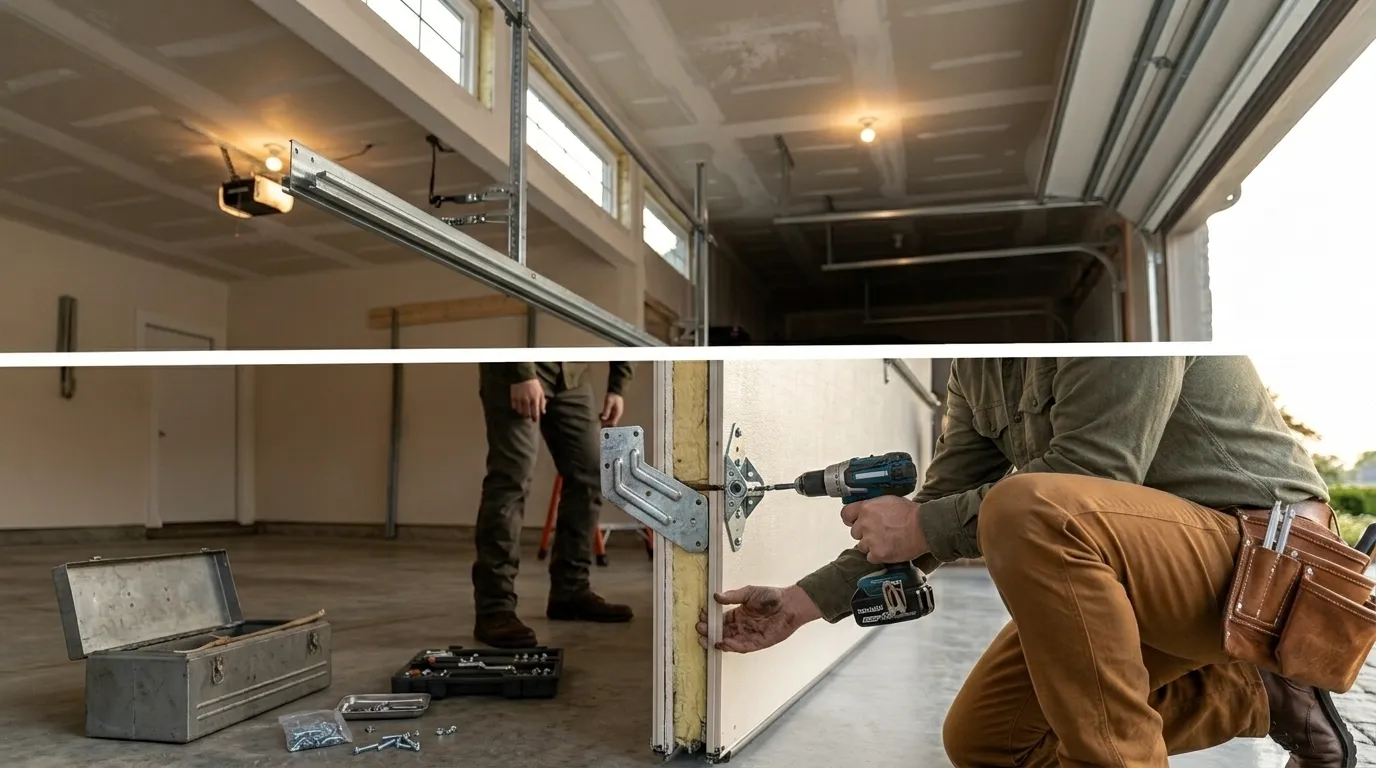
Most of these jobs are a straight swap - matching the wire gauge, coil length, and wind direction to what's already on the door, which on Lockhart's older stock sometimes means a size that newer inventory doesn't carry off the shelf. We measure the existing spring rather than guess off the door's age, because even within houses built the same year, panel weight and insulation vary. If it's a torsion system we do both springs even when only one has failed, since the surviving one is usually close behind on the same age curve. Extension spring setups get both plus a look at the safety cables, since those were inconsistently installed on older builds and it's cheap insurance against a spring becoming a projectile. What we won't do is push a spring-only fix onto a door where the track is bent or the opener is already failing - that's a different job, and quoting spring work alone on a door with bigger problems just gets you a callback in a month.