The DIY Question
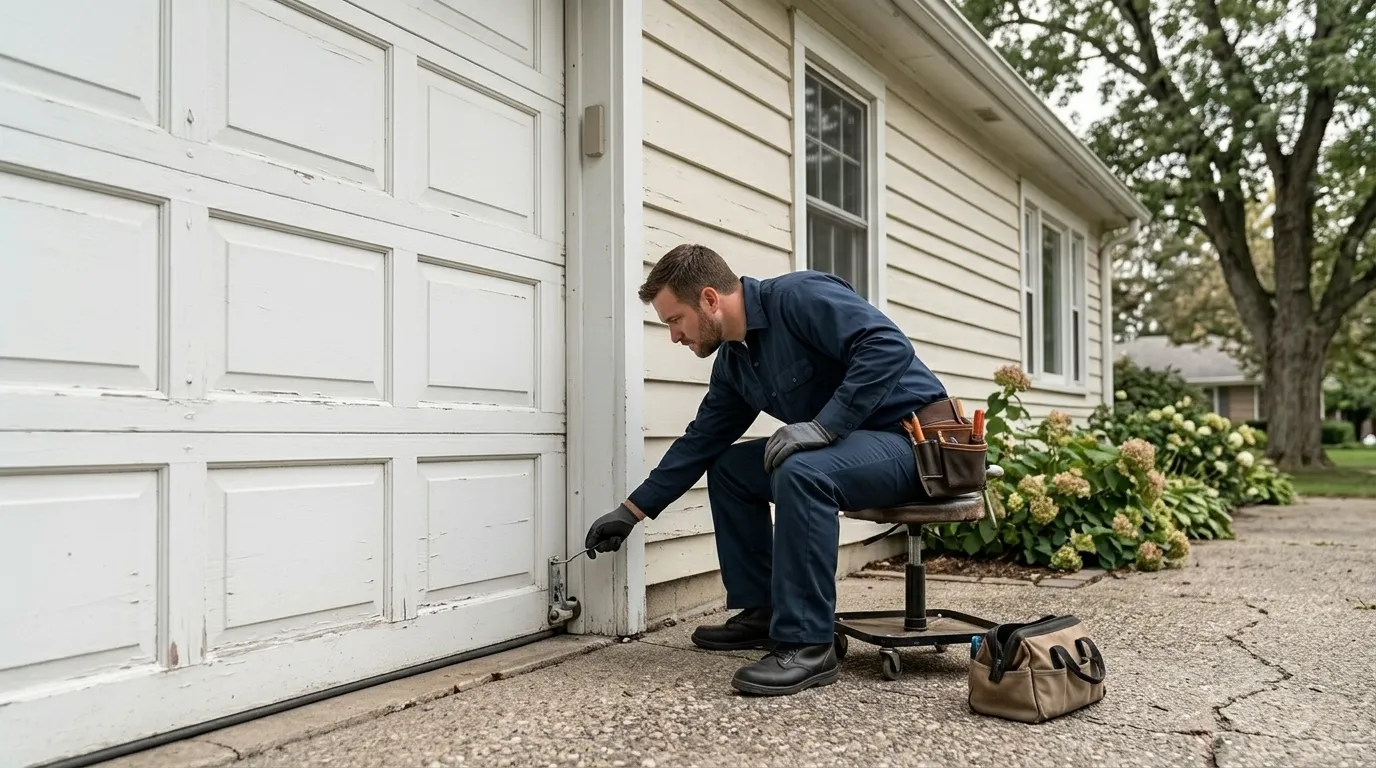
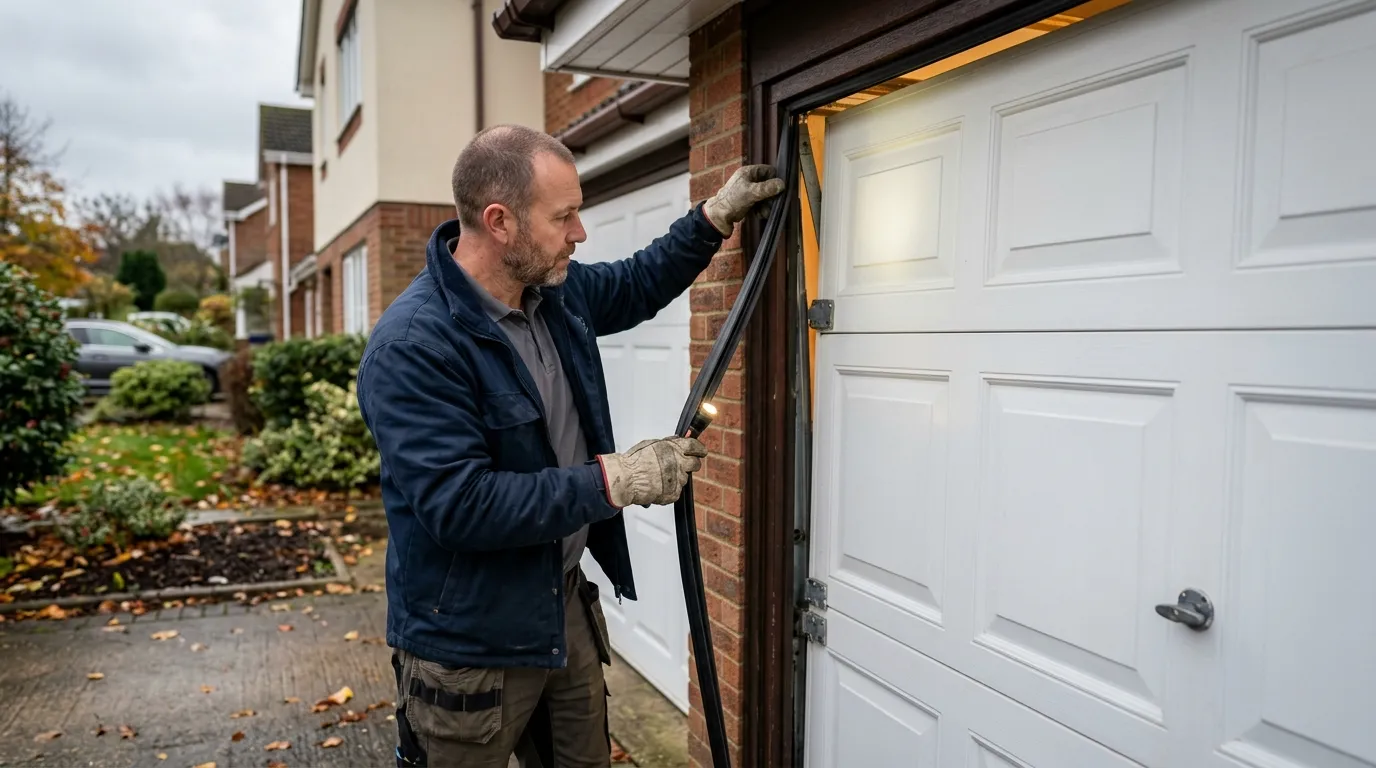
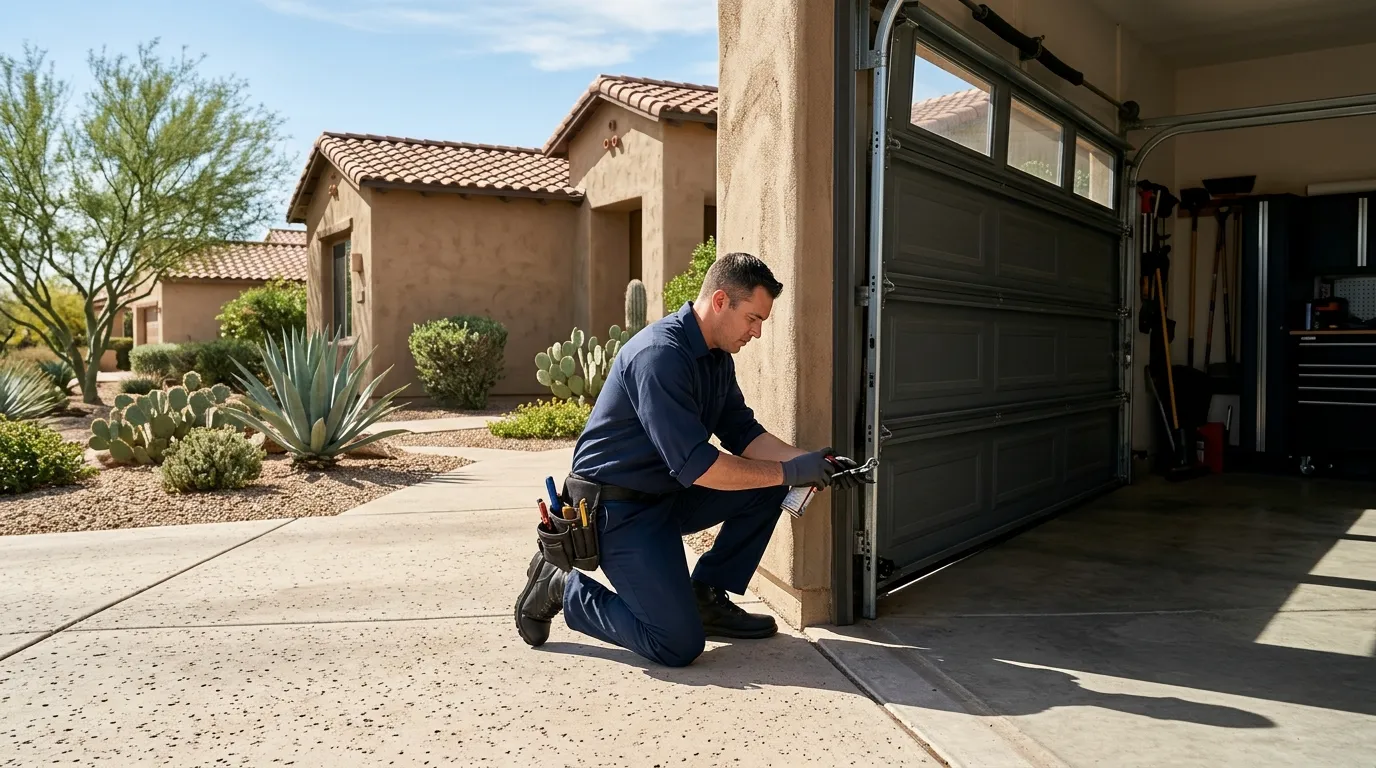
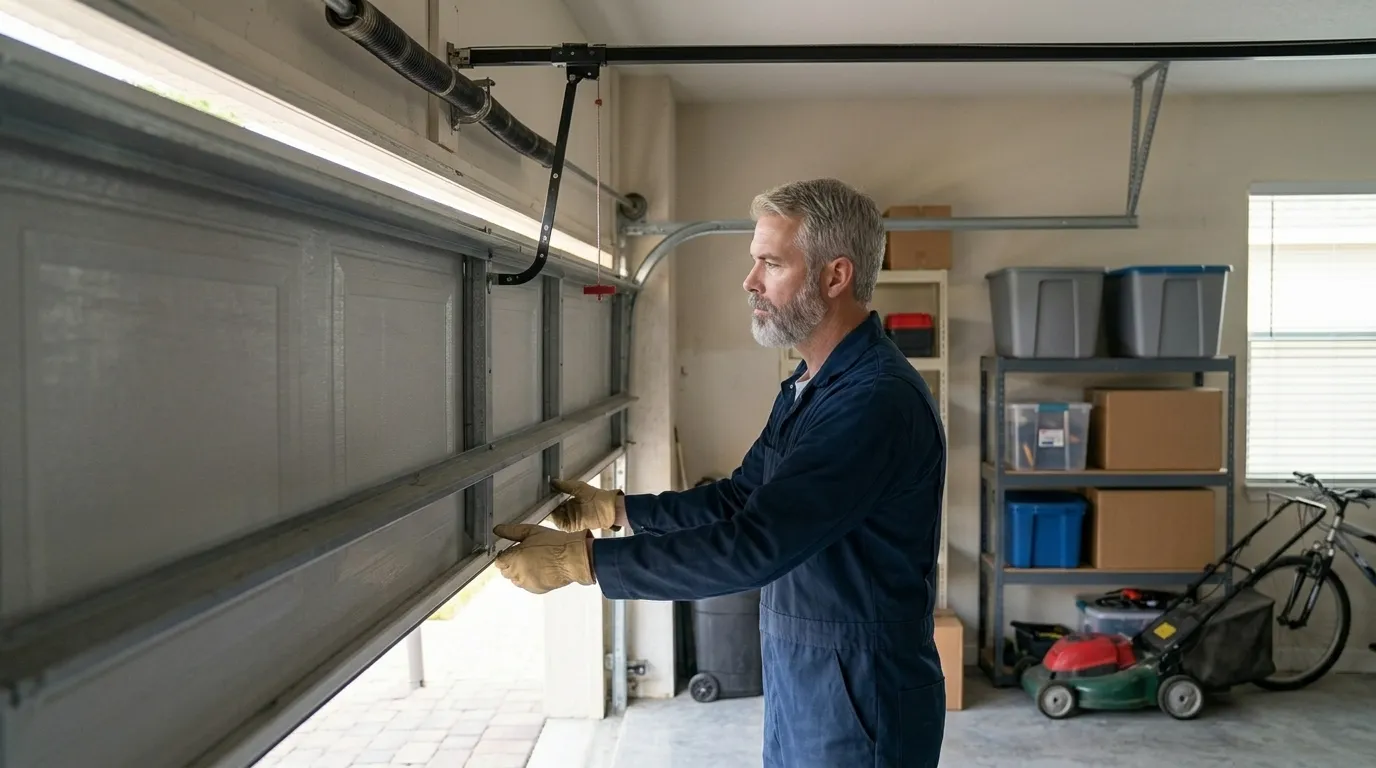
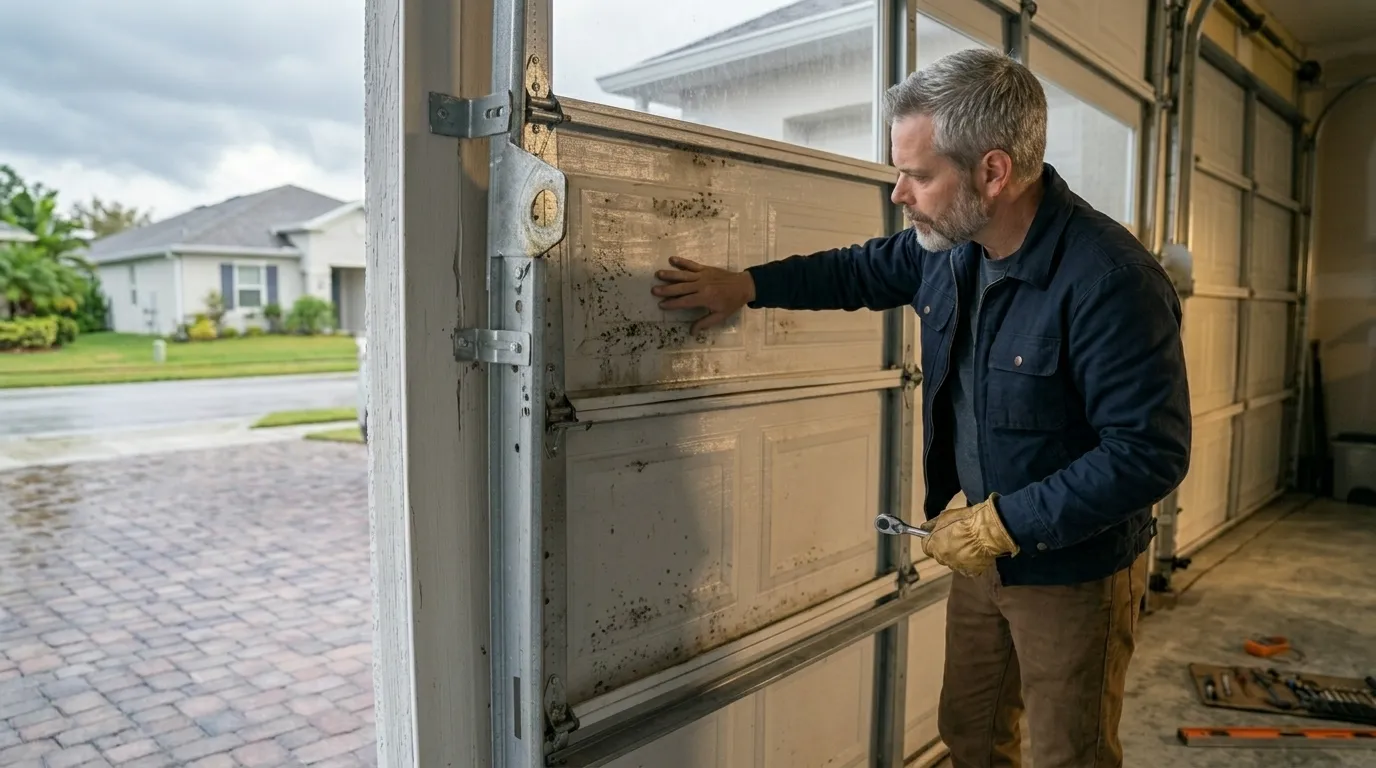
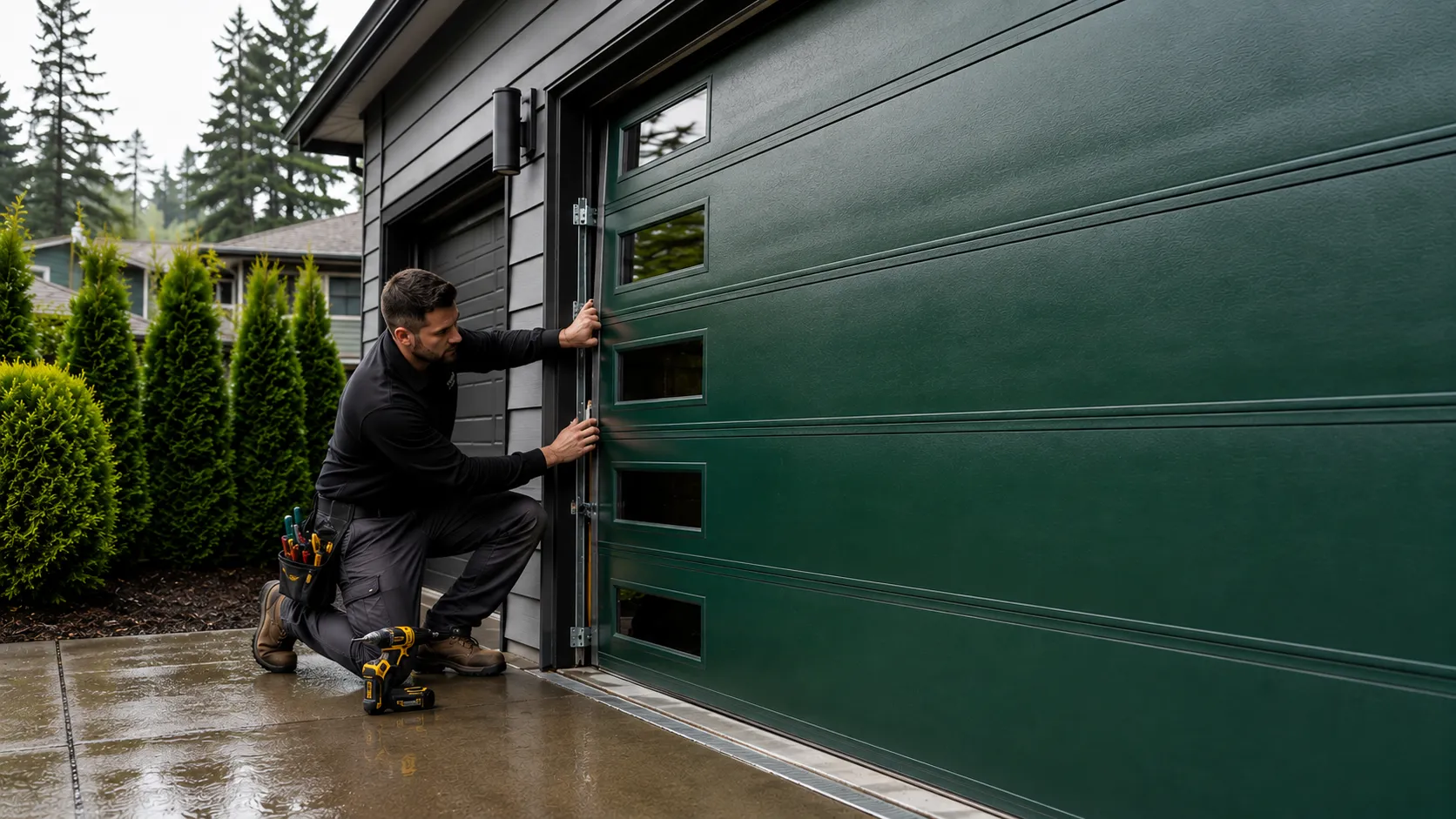
A torsion spring on a commercial door - especially the wider doors common on garage and warehouse fronts - carries a lot more stored force than anything on a house. If the building is original, meaning close to that 1984 median, the spring has been under tension for close to four decades and nobody knows its actual fatigue state by looking at it. That's not a job to wind or unwind yourself, and we won't talk anyone through it over the phone. Where DIY makes sense: swapping a worn roller, tightening a loose track bracket, lubricating hinges, or replacing a photo-eye sensor that's clearly cracked. Those are bolt-and-screw jobs. Anything involving the spring, the cable drum, or the torsion bar on a door that size is where a slipped wrench turns into an ER visit, not a repair delay. If you're not sure which category your problem falls into, describe it to us before you touch it - that call costs you nothing.
What Can Go Wrong
With roughly 4,980 households in the Lockhart area and a median household income of $67,252, most of the buildings we see here are older commercial structures, not new-build strip centers with fresh hardware. The parts that fail first on a door this age are the ones under constant load: the torsion spring loses tension gradually and the door starts feeling heavier before it fails outright; the cable frays where it wraps the drum; the rollers wear oval and start binding in the track. Openers from the 1980s and 90s commercial stock often use gear-and-sprocket drives that strip a tooth after enough cycles, which shows up as a door that hums but doesn't move. Panel damage from a forklift or delivery truck backing in wrong is common on rolling steel doors specifically - the slats bend, and once one is bent the whole curtain can bind in the guide rail.
What the Repair Takes
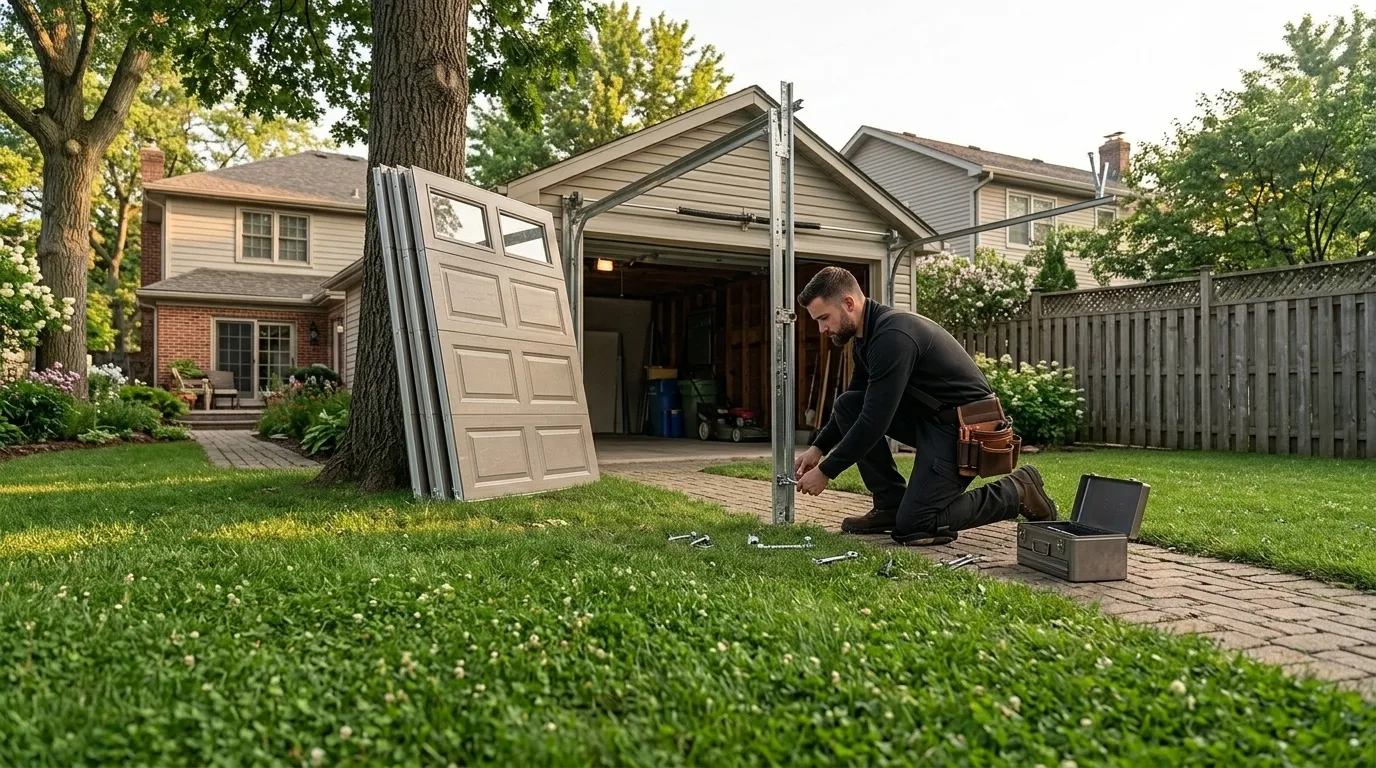
A spring swap on a commercial door is usually a same-visit job once we're on site - we carry standard torsion springs sized for common commercial door widths. What isn't same-visit: openers or hardware specific to a door that hasn't been touched since it was installed near 1984. If the manufacturer no longer makes that gear-drive unit or that panel style, we're ordering a compatible replacement, and that can mean a return trip. That's the honest limitation - we don't stock obsolete commercial opener parts on the truck, because there's no way to guess which decade's hardware we'll find until we're standing in front of it. For a rolling steel door with a bent slat, the fix depends on whether the curtain can be straightened in place or the section needs replacing; a bent slat that's binding the guide rail is not a job to run the door through repeatedly hoping it works itself out.