The DIY Question
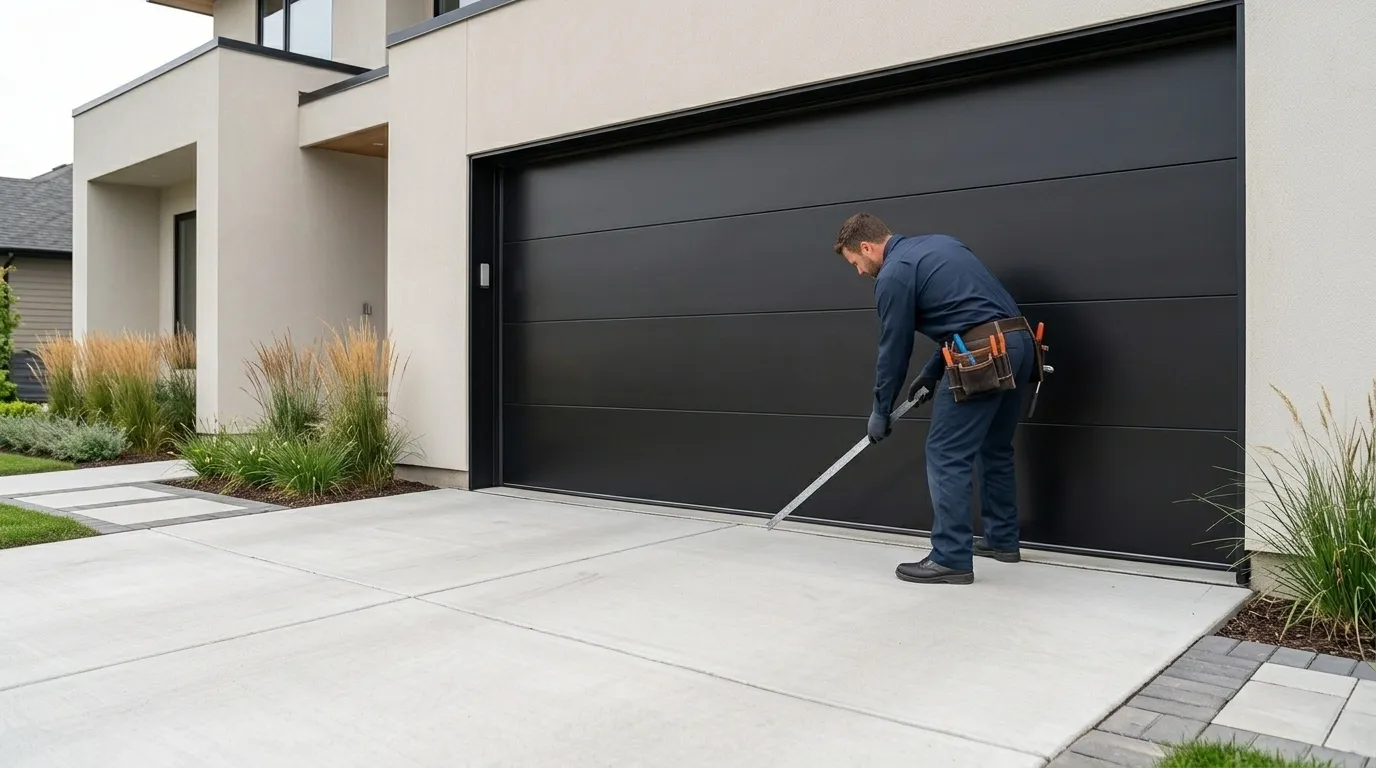
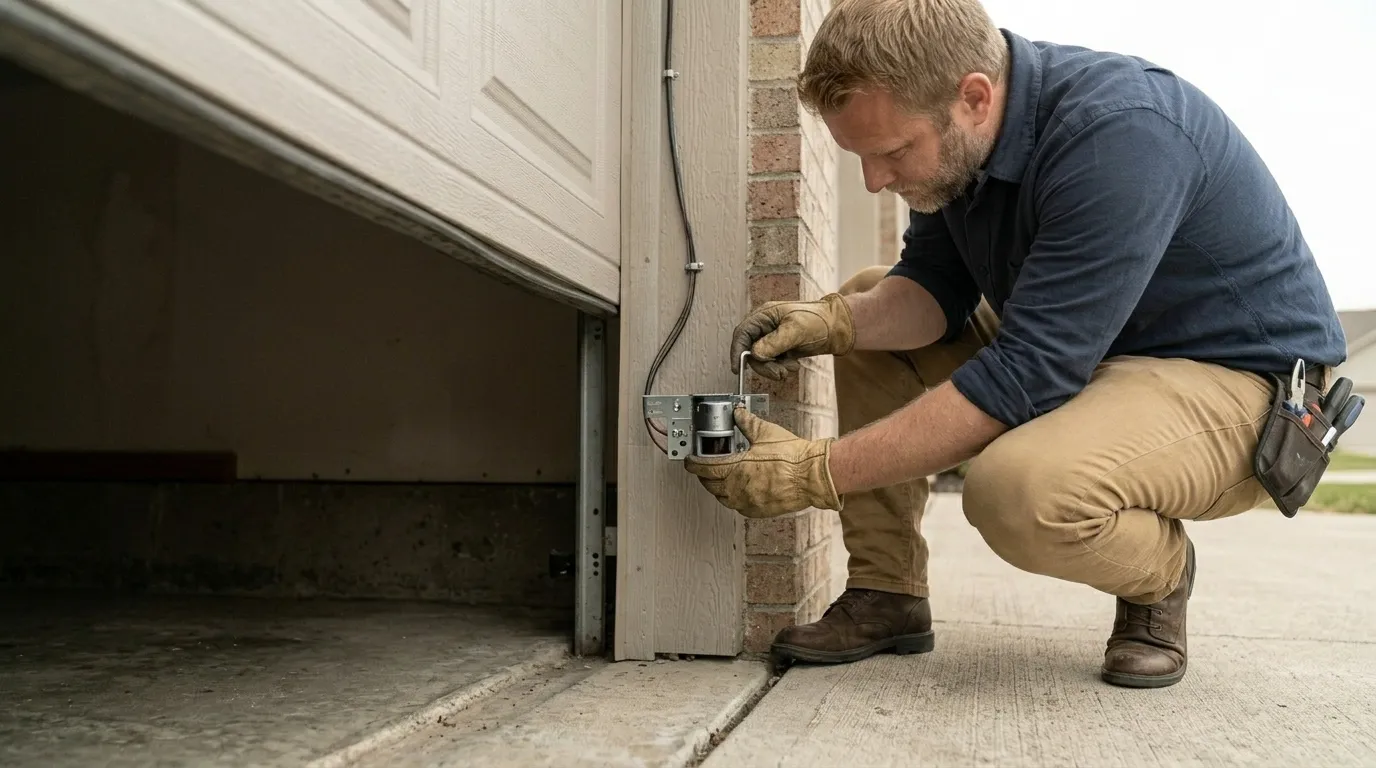
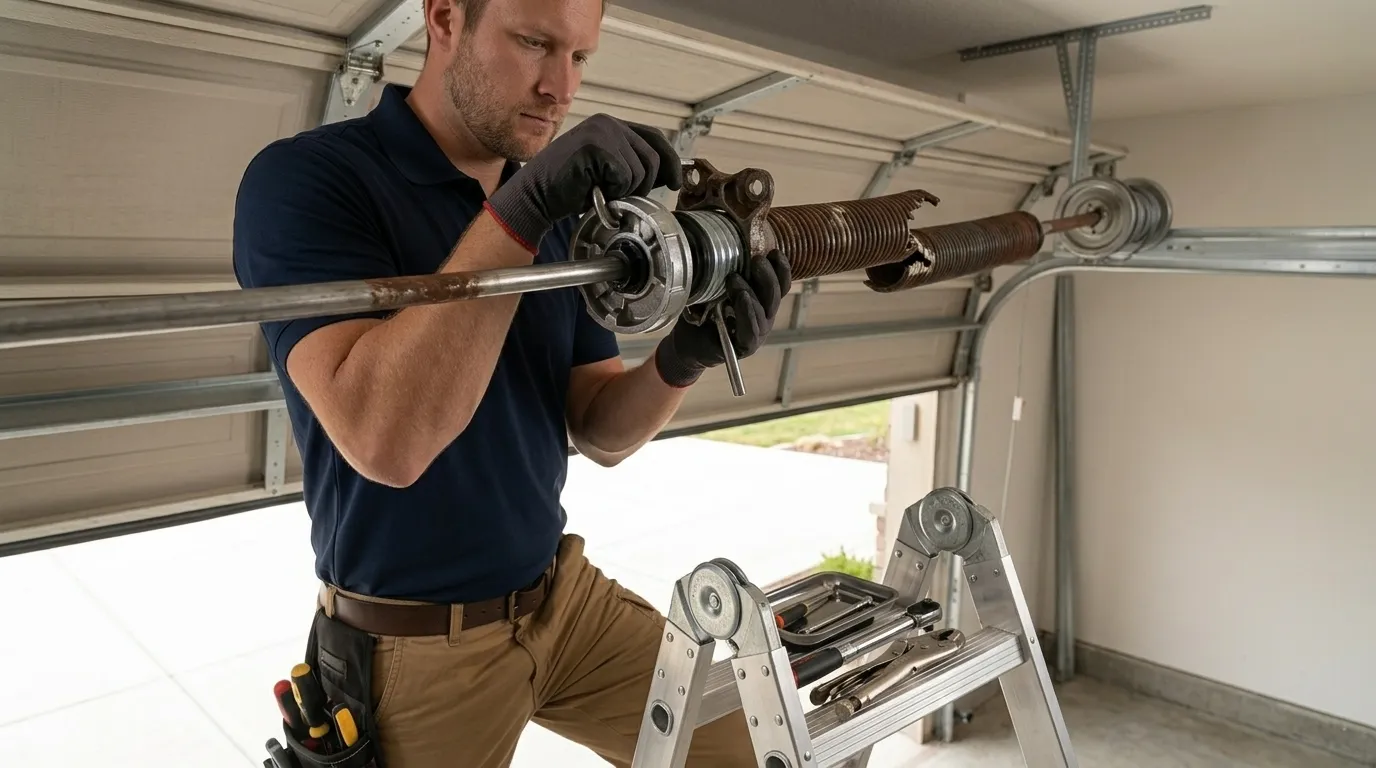
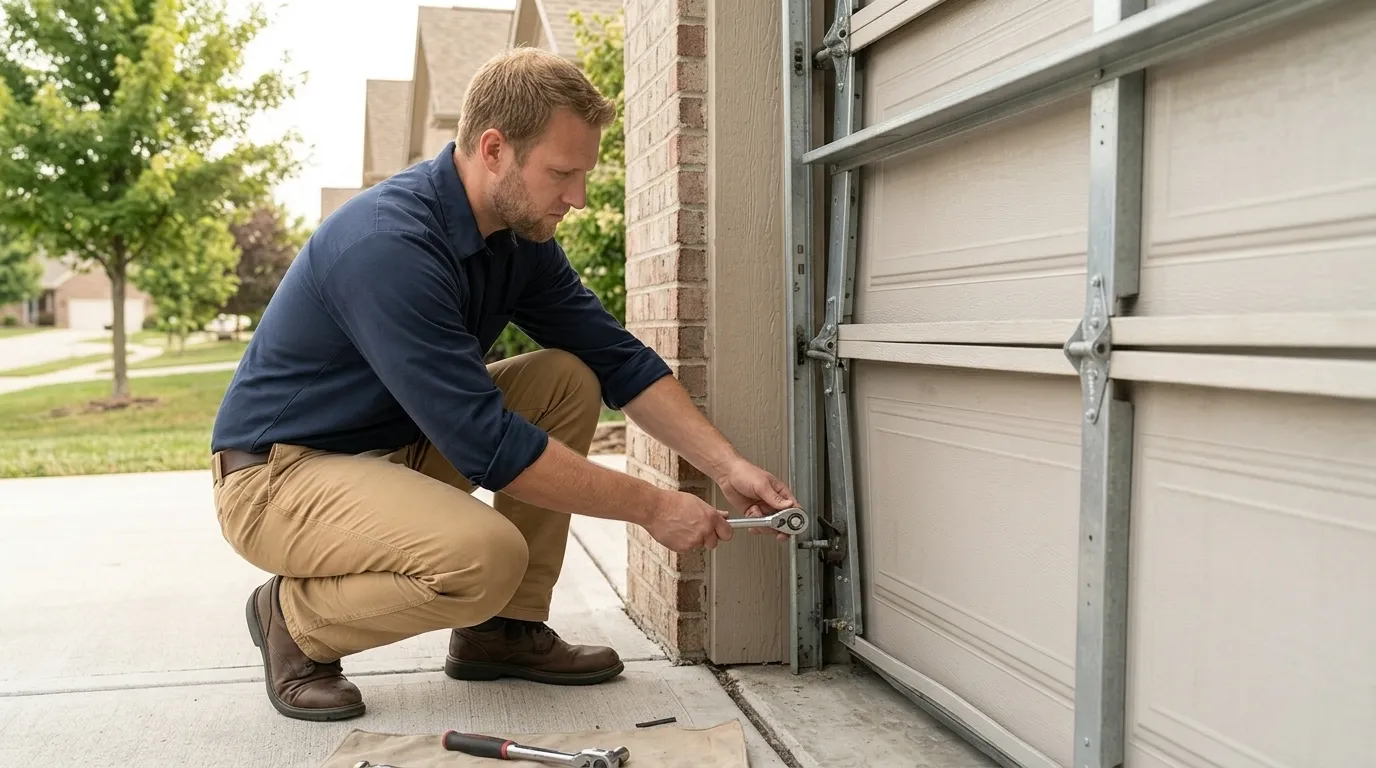
Lockhart's median household income runs $67,252, well under the $80,830 median across the rest of the service area we cover. That number matters more than it sounds like it should, because it's what decides whether a bad spring or a dying opener is worth fixing versus worth replacing outright. On a door that's original to a house built around 1984, a spring swap or roller job is usually the right call at this income level - it's a fraction of what a full replacement runs, and the track and drum on doors that age are still solid steel, not the lighter stock some cheaper doors used later. Where DIY goes wrong is the torsion spring itself. Those are wound under real tension, and a slipped winding bar has put people in the hospital. Cables, hinges, and even opener travel limits are fair game for a careful homeowner with the manual in hand. The spring is not. If you're staring at a door that won't budge and a spring that looks stretched or gapped, that's the one call worth making instead of the one YouTube video worth watching.
What Can Go Wrong
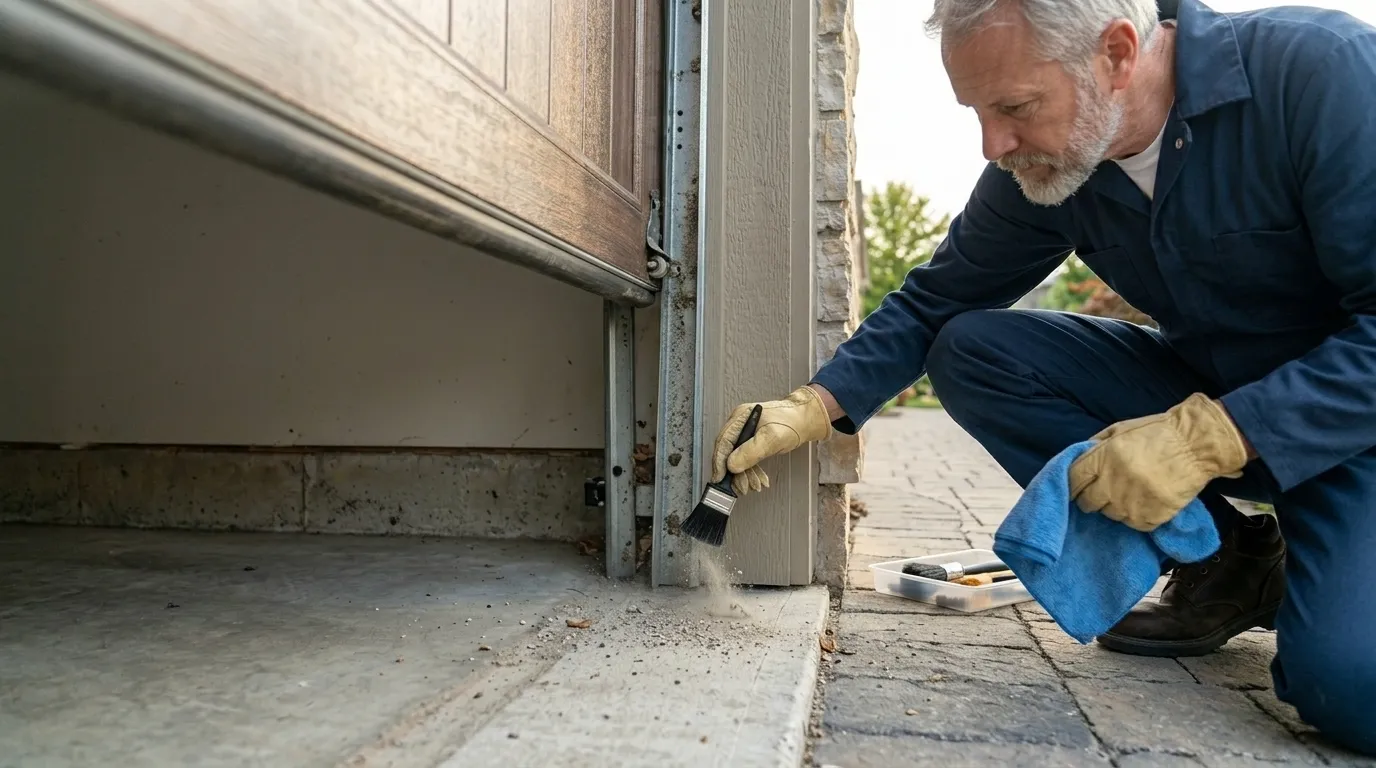
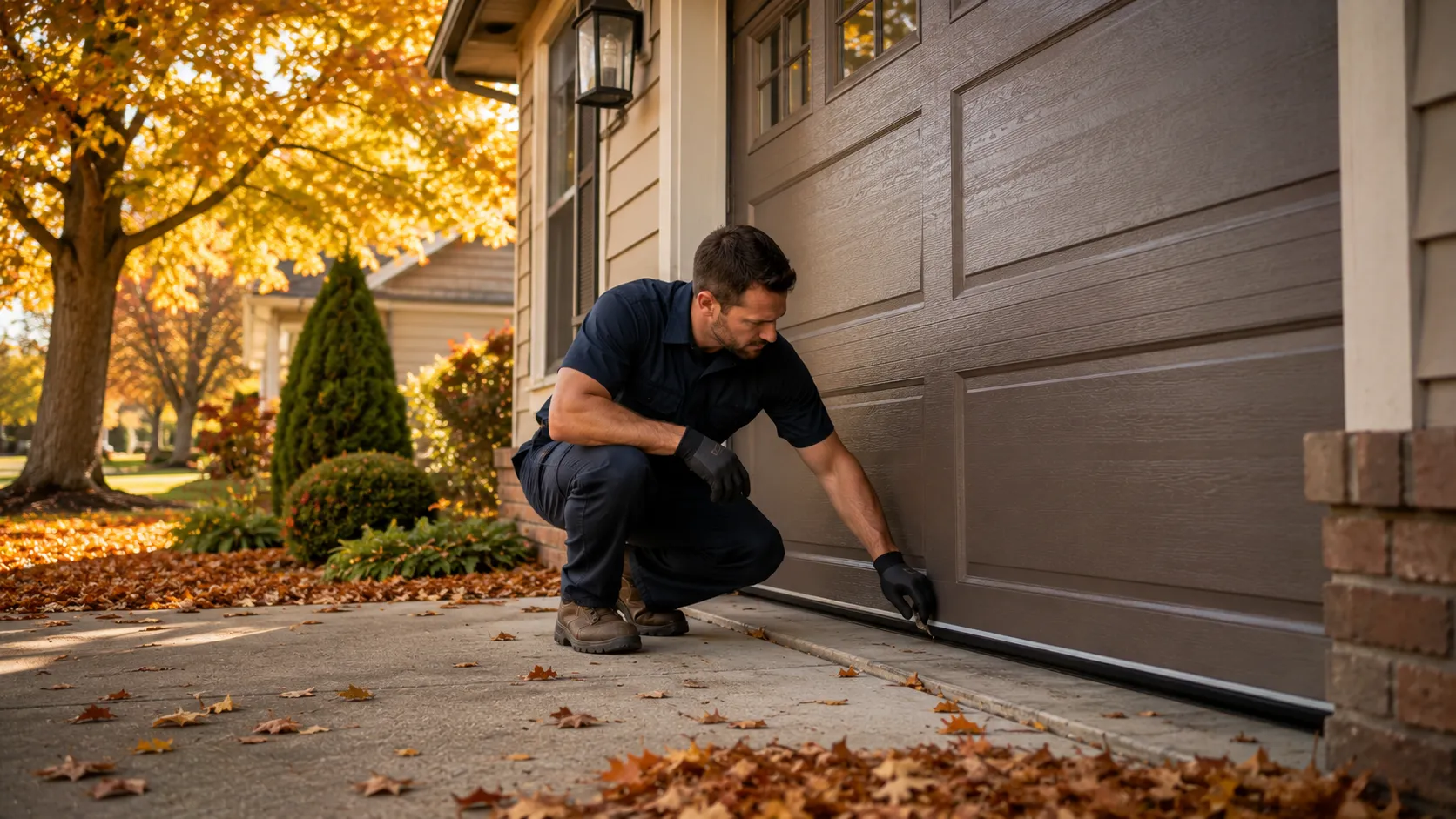
Doors going up around 1984 in this area mostly came with torsion springs sized for steel doors heavier than the aluminum and lighter-gauge steel doors sold today, and openers from that same window are chain-drive units well past a normal service life. The mild climate here with occasional freeze (per regional climate data) doesn't crack panels the way hard freeze-thaw cycles do elsewhere, but heat still dries out spring lubrication and cracks aging weatherstripping, so hardware fails from age and use more than from weather extremes. The other common failure on houses this old is the extension spring setup on side-mounted tracks - less common now, but still out there on original hardware - where the safety cable that should catch a broken spring was never added because it wasn't code when the door went in. We check for that on every Lockhart call, since replacing it is cheap and the alternative is a spring becoming a projectile in the garage. Rollers going from steel to nylon is another common upgrade we see requested once a roller starts grinding instead of rolling.
What the Repair Takes
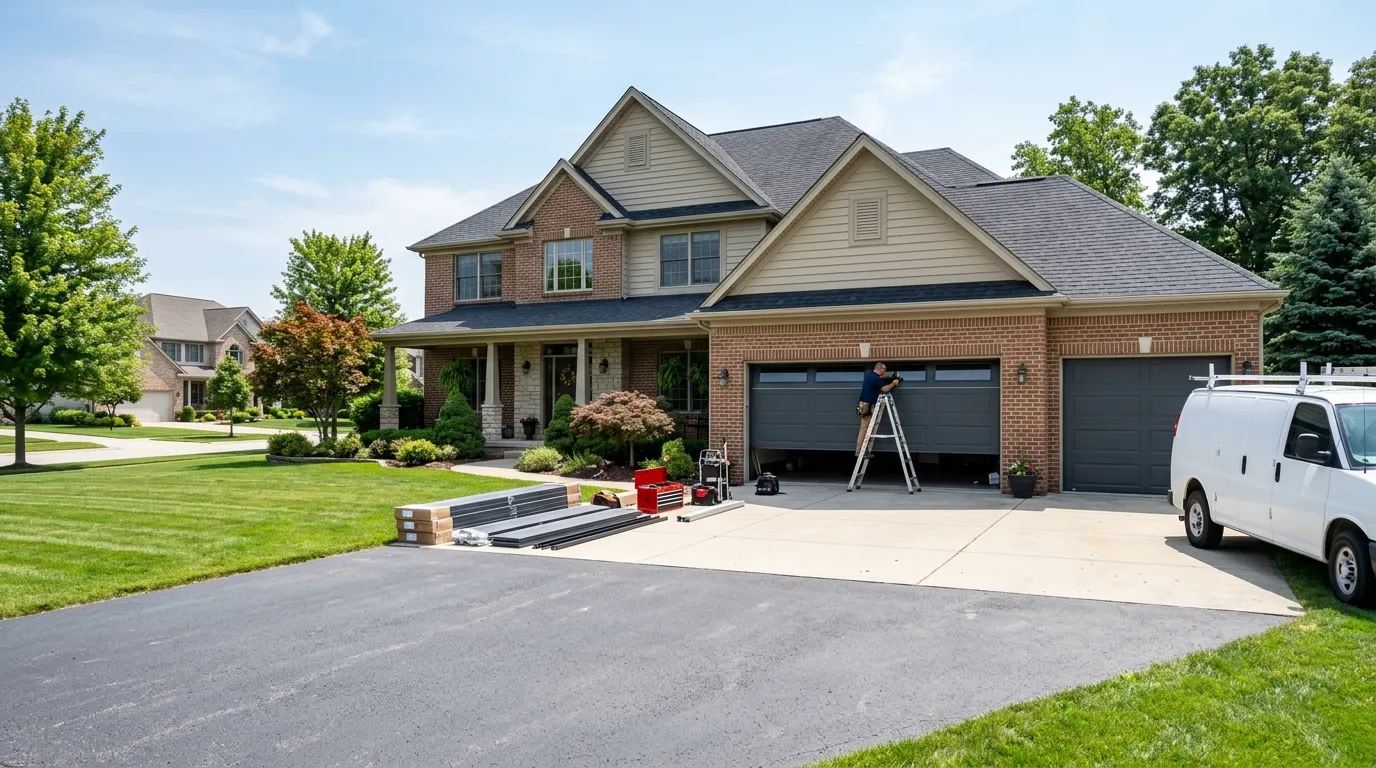
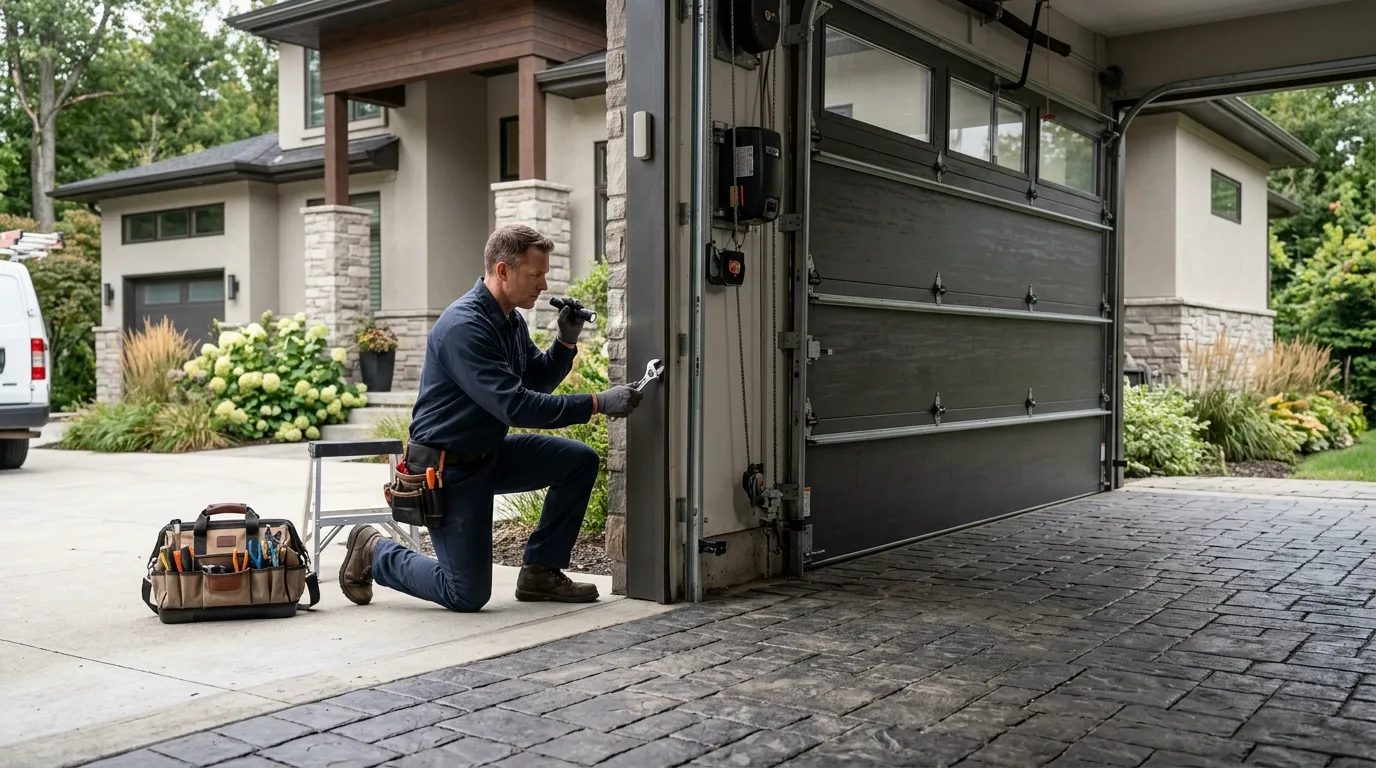
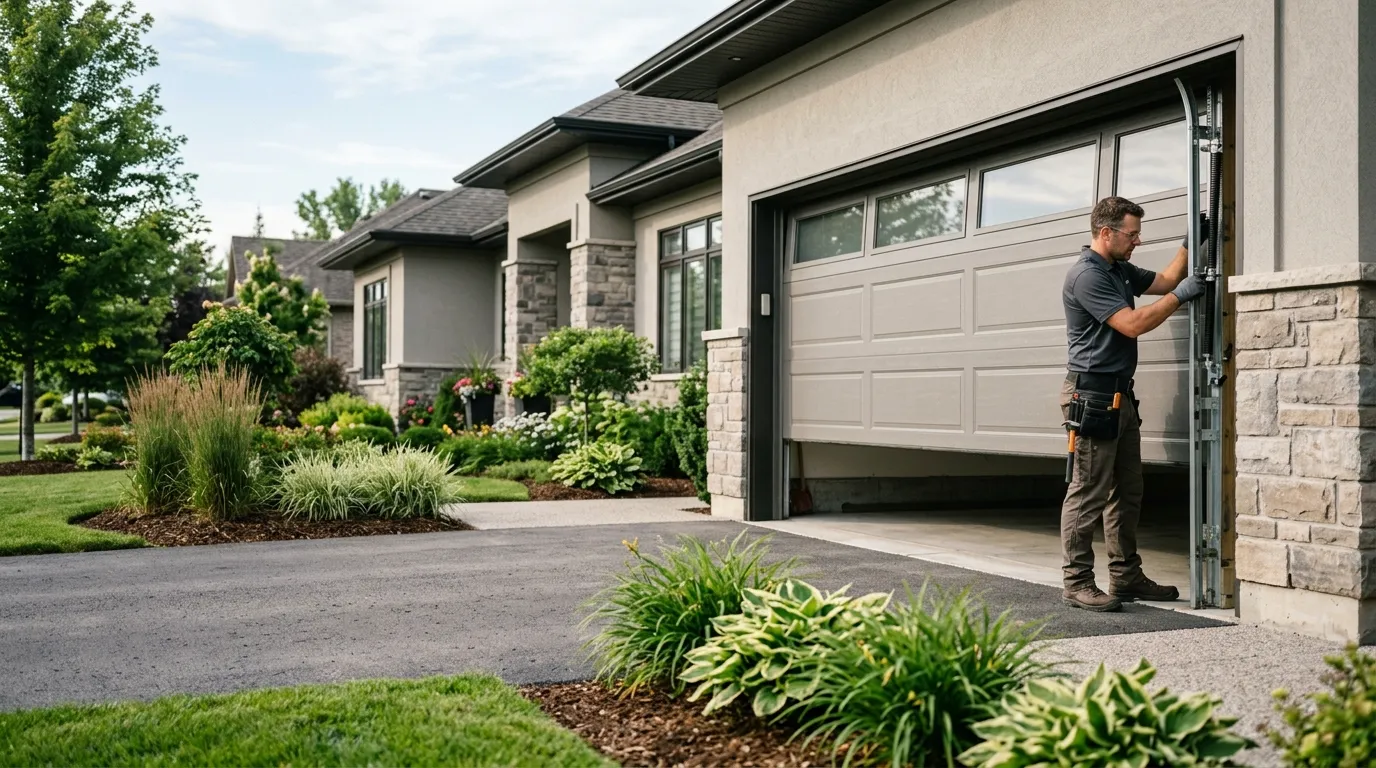
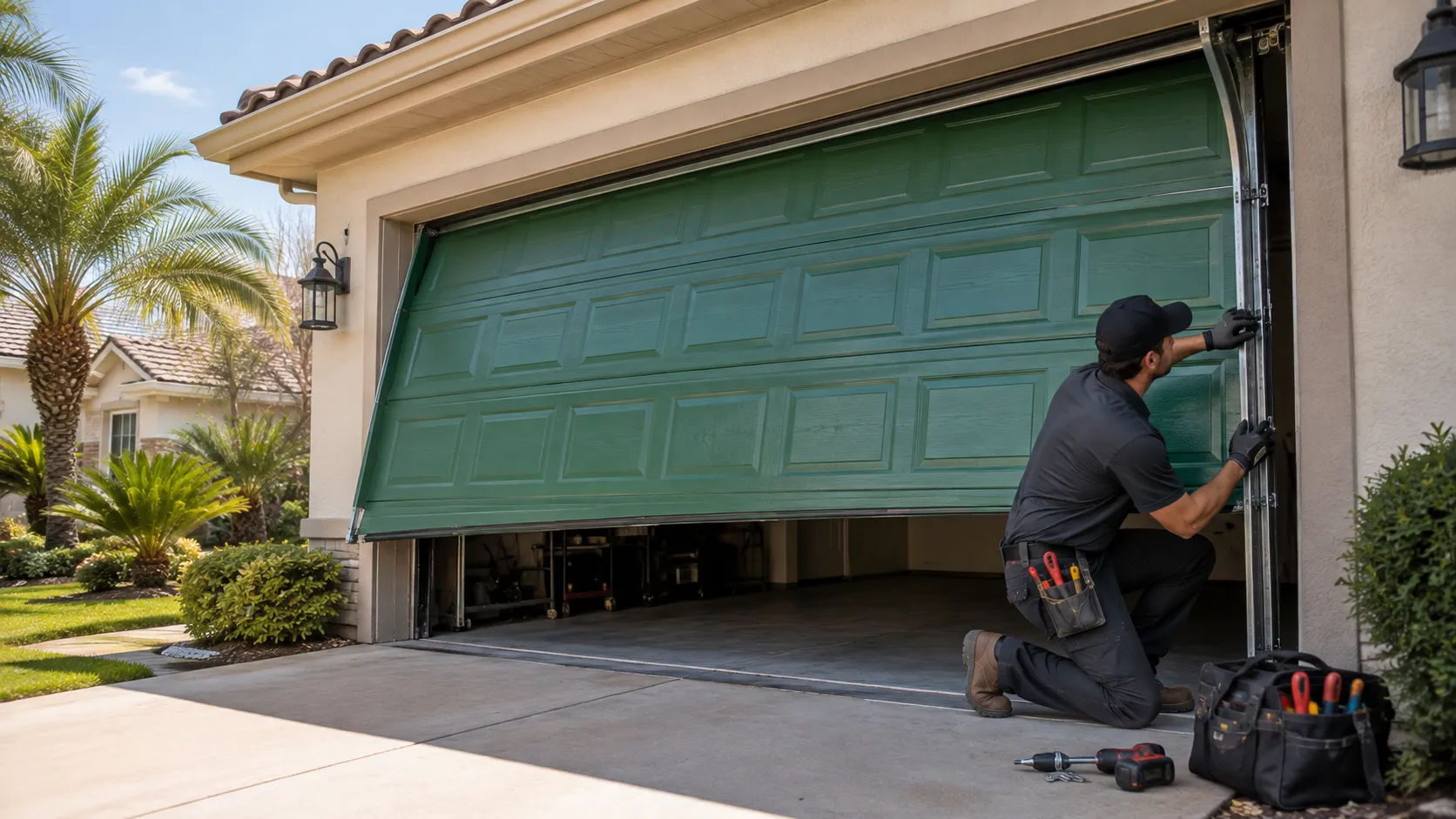
Most Lockhart jobs are a spring, cable, roller, or opener repair rather than a full door swap, since the underlying door panels and steel track from the mid-1980s build era are still sound on most houses out here. We stock common torsion spring sizes and standard opener parts on the truck, so those get done in one visit. Where it takes longer is anything genuinely discontinued - an opener logic board for a model that's 30-plus years old, or a specific panel match on a door nobody makes anymore - and we'll tell you straight if that's what we're looking at rather than pretending a universal part will match. With 4,980 households in Lockhart and most of that housing stock landing in the same narrow build window, we see the same failure patterns repeat: same spring sizes, same opener generation, same wear points. That repetition is useful - it means we usually know what we're driving out with before we've even looked at the door, based on what you describe on the phone.