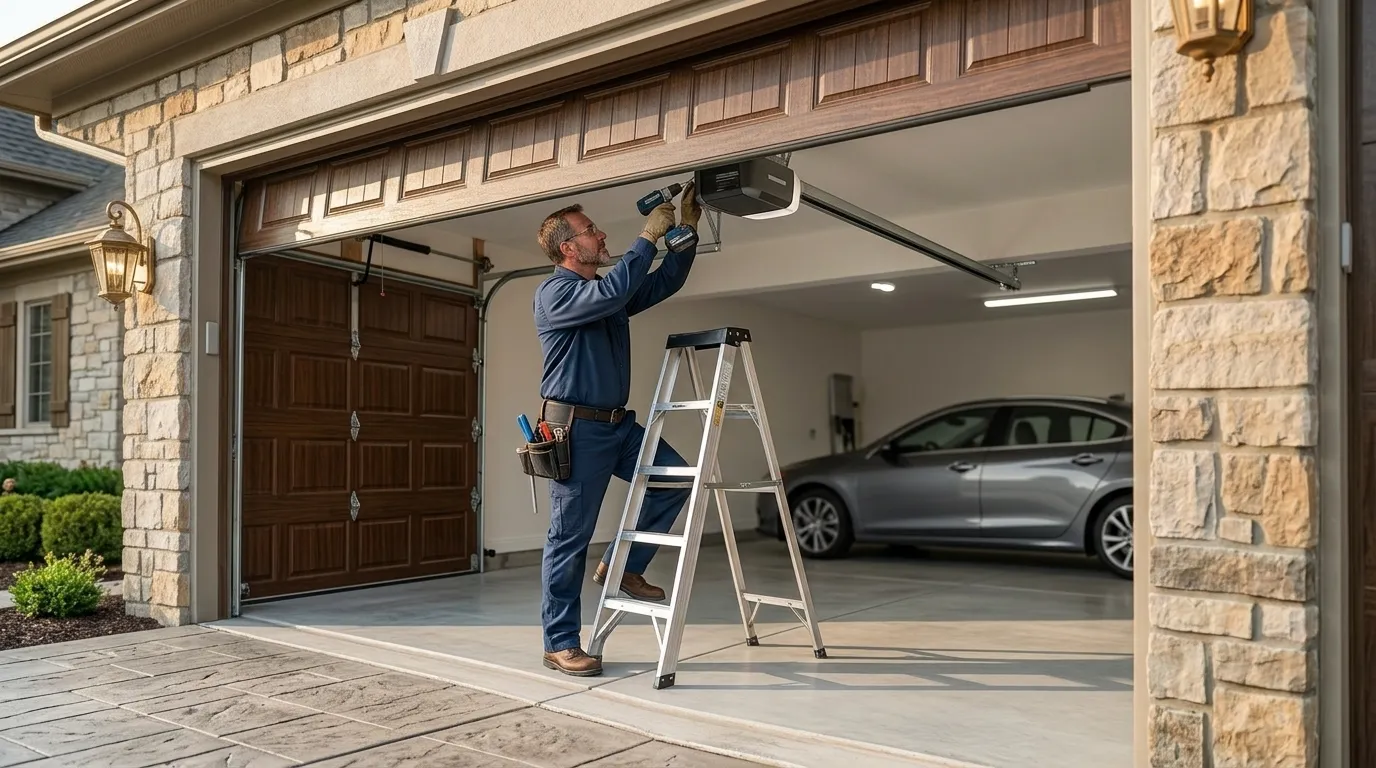
Most houses in Wimberley went up around 1994, right when steel sectional doors on torsion springs replaced the older extension-spring doors as the standard build. That matters because those torsion springs are now three decades into a rated life that usually runs 10,000 to 15,000 cycles, meaning a lot of them are due to fail, or already have.
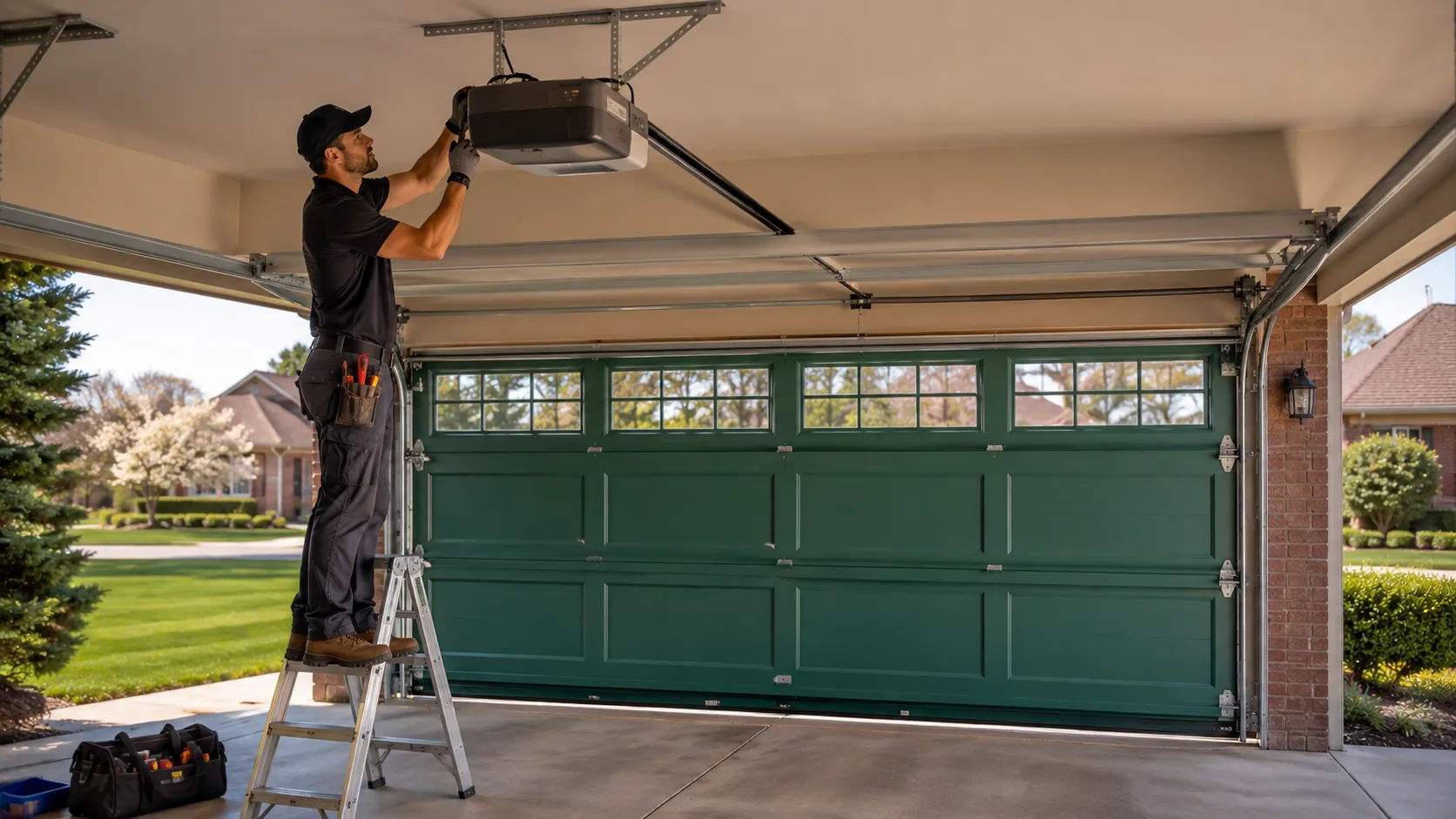
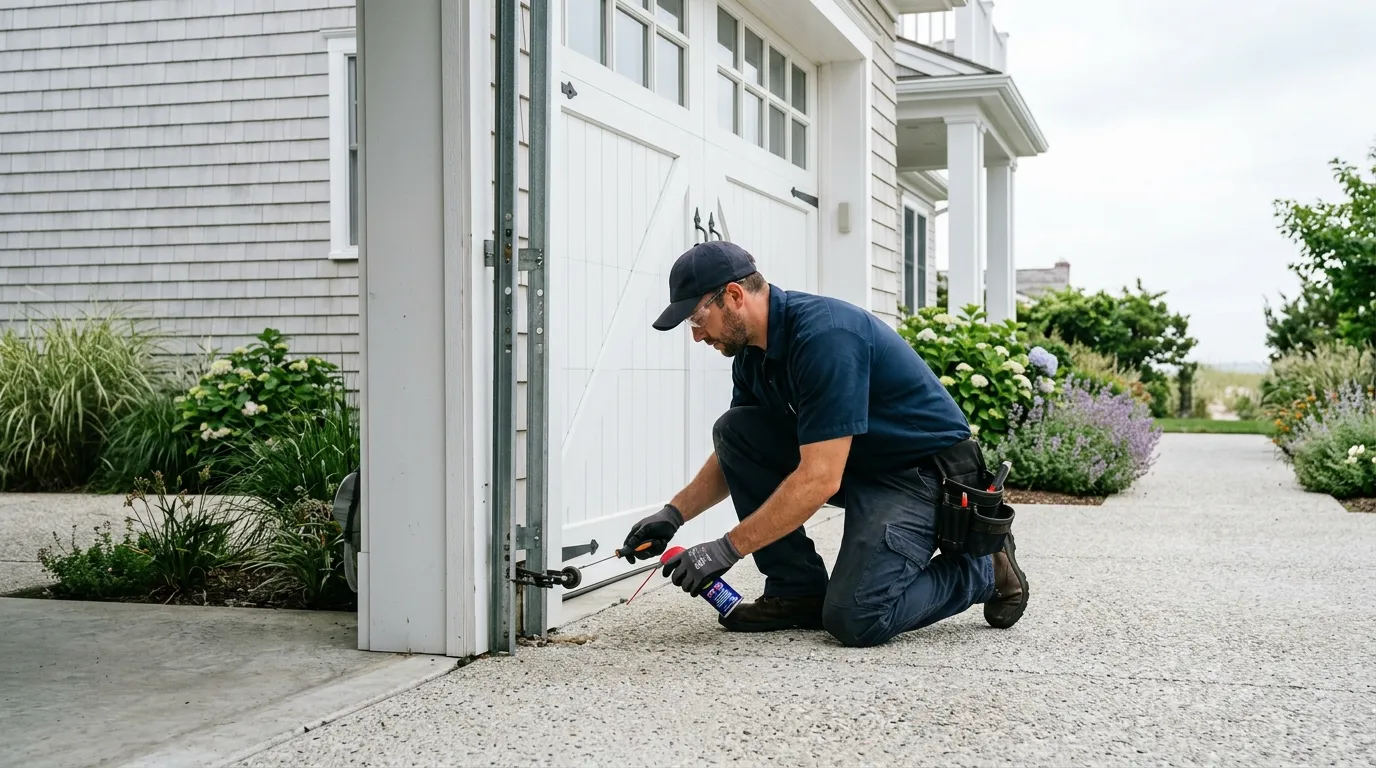
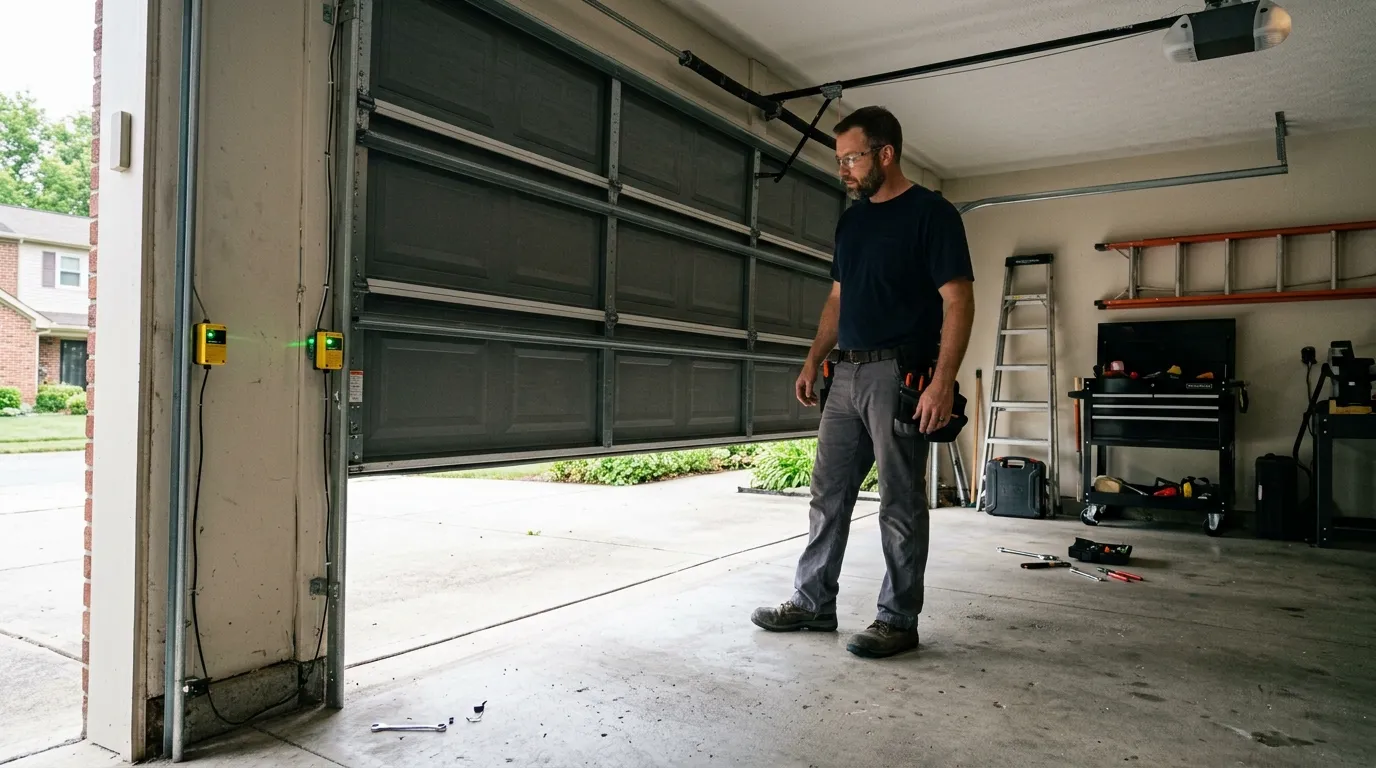
The openers from that same build wave are the other weak point. Mid-1990s houses got some of the first garage door openers built after the federal photo-eye safety reversal rule took hold, and those circuit boards and sensor wires are the most common point of failure we find on a Wimberley call. A door that reverses halfway down, or won't close at all, is usually a sensor gone bad or knocked out of alignment, not the motor.
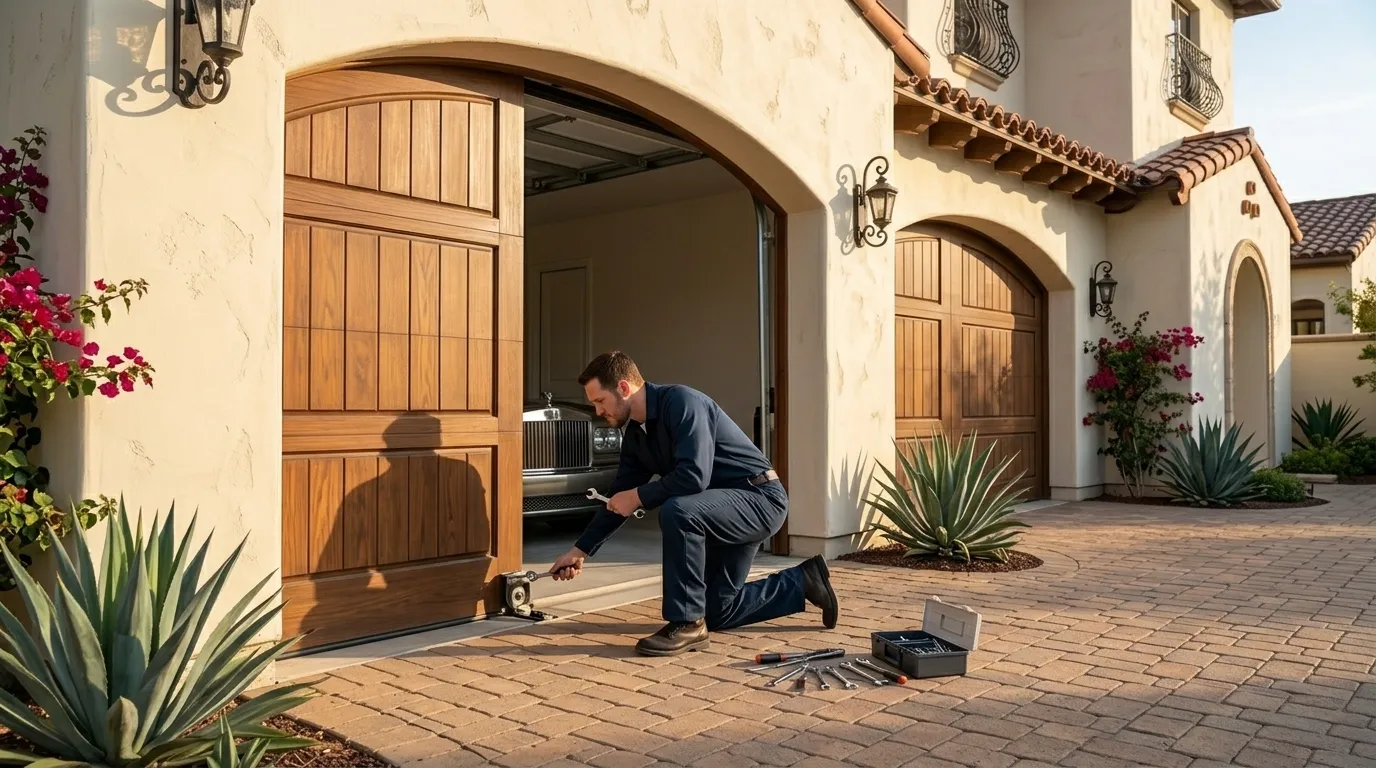
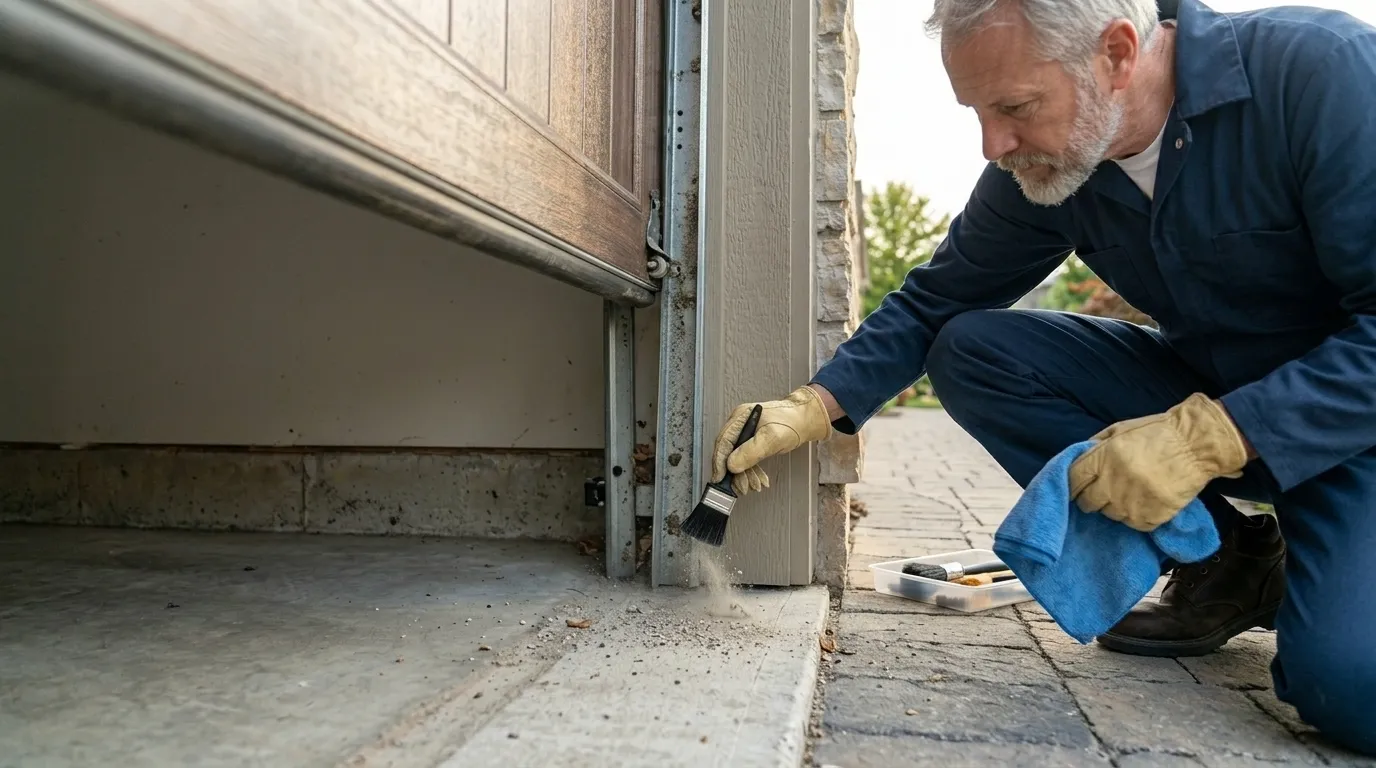
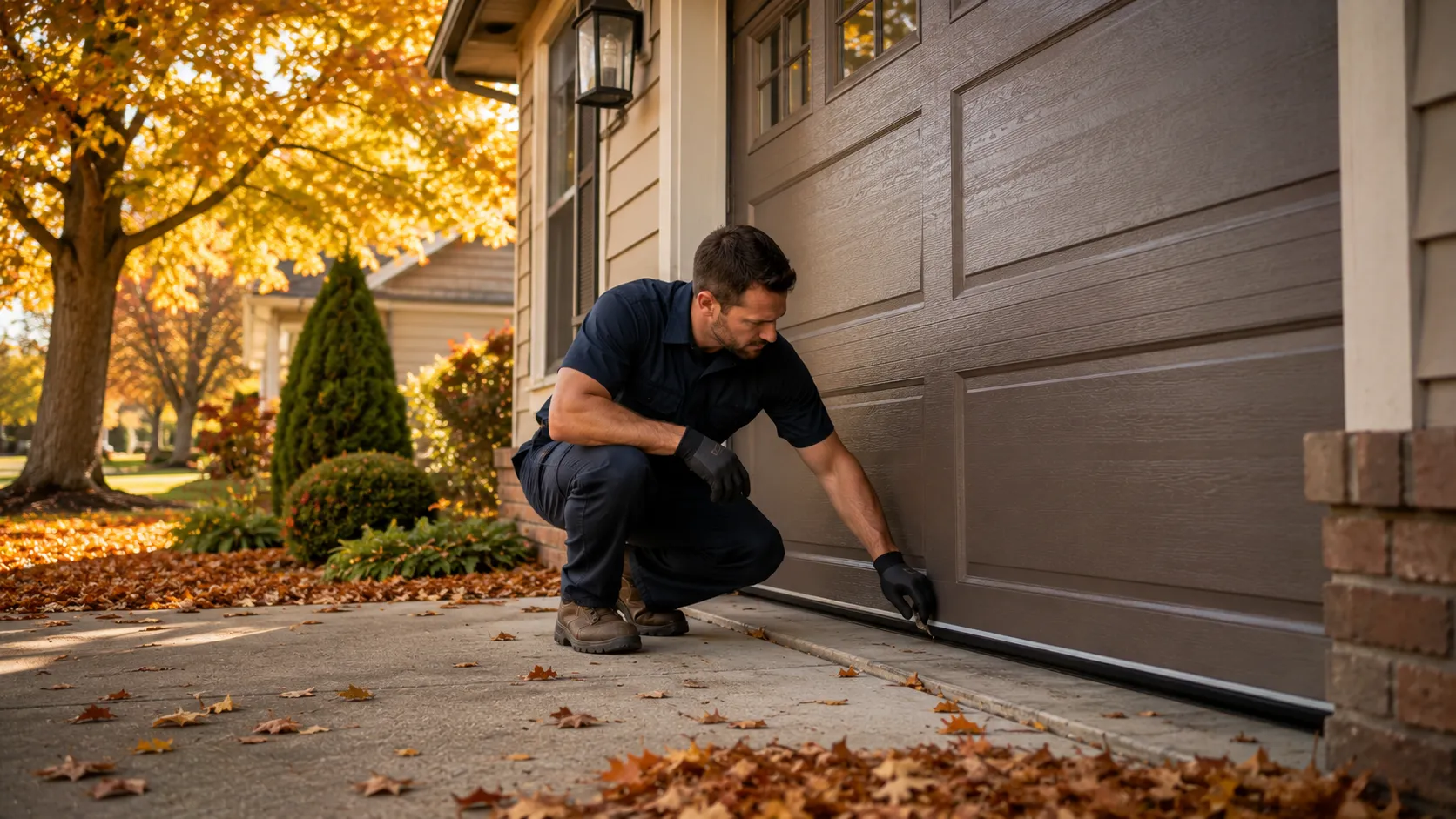
Rollers and cables wear on a similar clock. Nylon rollers from a door this age are typically brittle, and galvanized cables start to fray at the same rate springs fatigue. We also see worn bottom brackets on doors that never got a spring adjustment when the cables started to sag. None of this is unique to one house - it's a function of when the neighborhood was built, not bad luck.
Parts We Carry
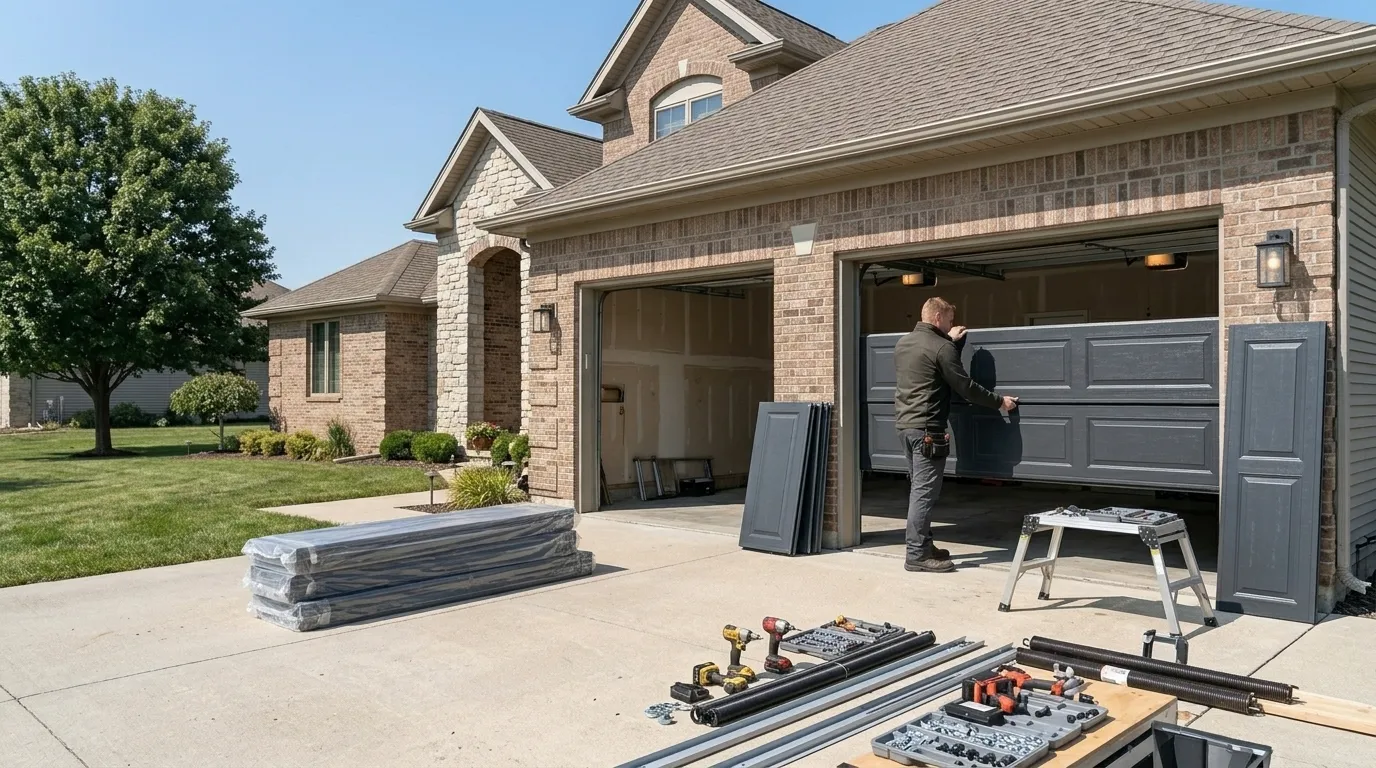
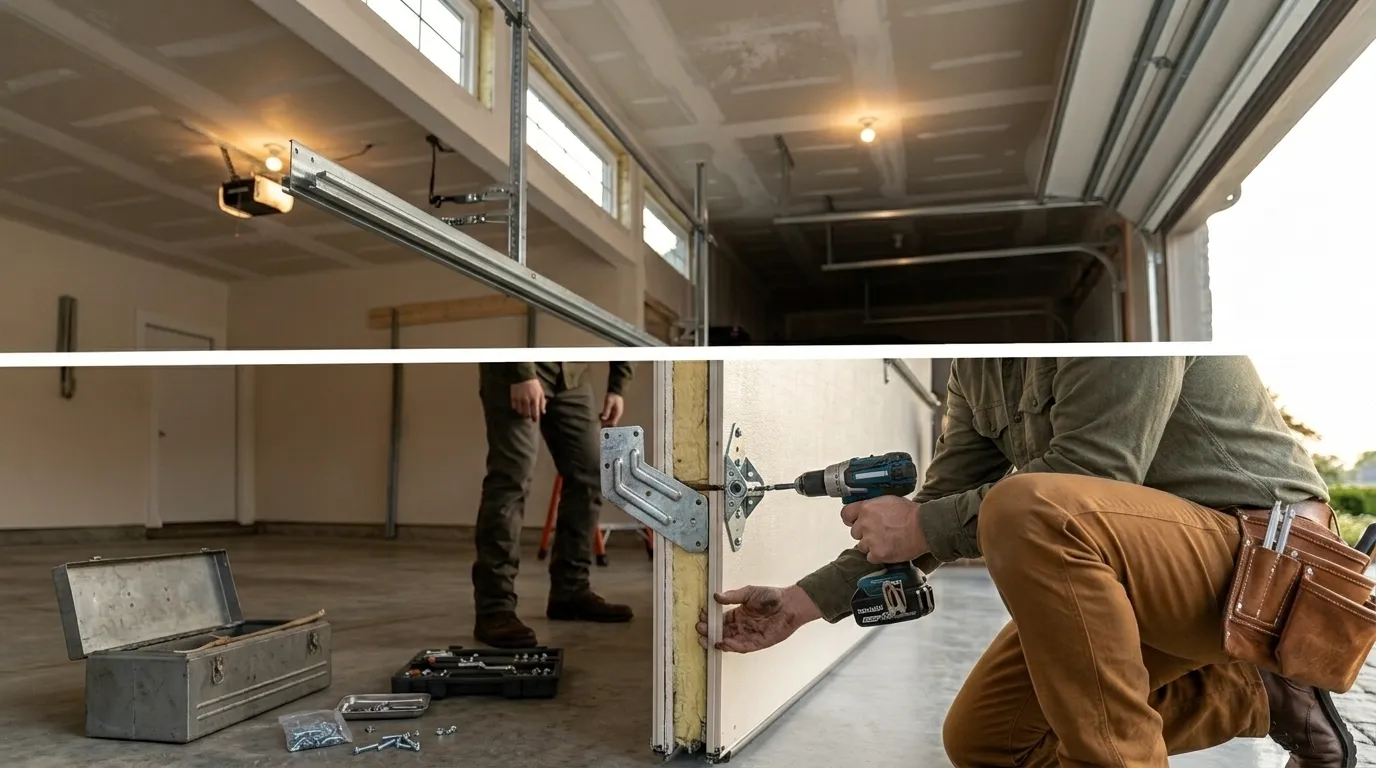
We carry torsion springs sized for standard steel sectional doors, which covers the bulk of what went into Wimberley when it was built out in the 1990s. Same for rollers, lift cables, bottom brackets, and the photo-eye sensor kits that fail most often on openers from that era.
We also stock circuit boards and logic boards for the common opener brands sold through that period, since a bad board is usually cheaper and faster to replace than a whole new opener when the rest of the unit is sound.
What we don't carry on the truck is every obscure part for a discontinued opener model or a custom door that was special-ordered when the house was built. If your setup is unusual, we may need to order a part rather than finish in one visit - that's the honest limit of what fits in the van, and we'd rather tell you that up front than promise a same-visit fix we can't deliver. For a typical 1990s steel door and matching opener, though, what we carry on the truck covers the job.
Time on the Job
We don't run a branch out of Wimberley - every job here is a trip out from San Marcos, 12 miles away. That's close enough that it doesn't change how we schedule, but it does mean we plan the drive as part of the visit rather than treat it as a quick add-on stop between calls closer to home.
Most single-spring or opener-sensor repairs run under two hours once the truck is on-site, parts and drive time aside. A full torsion spring set with new cables and rollers on an older door takes longer, closer to half a day if the bottom bracket has to come off too.
With roughly 1,290 households, Wimberley is one of the smaller pockets in our service area, and it doesn't see the call volume that the denser subdivisions closer to San Marcos do. That's worth knowing if you're trying to get a rough sense of when a truck can get out - mention Wimberley specifically when you call so we can route the day around the drive.
How It Shows Up
A door that reverses just before it touches the ground, or refuses to close at all, is almost always the photo-eye sensors - either knocked out of alignment or wired through a board that's finally given out after 30 years of mid-1990s service. That's the single most common call we get out this way.
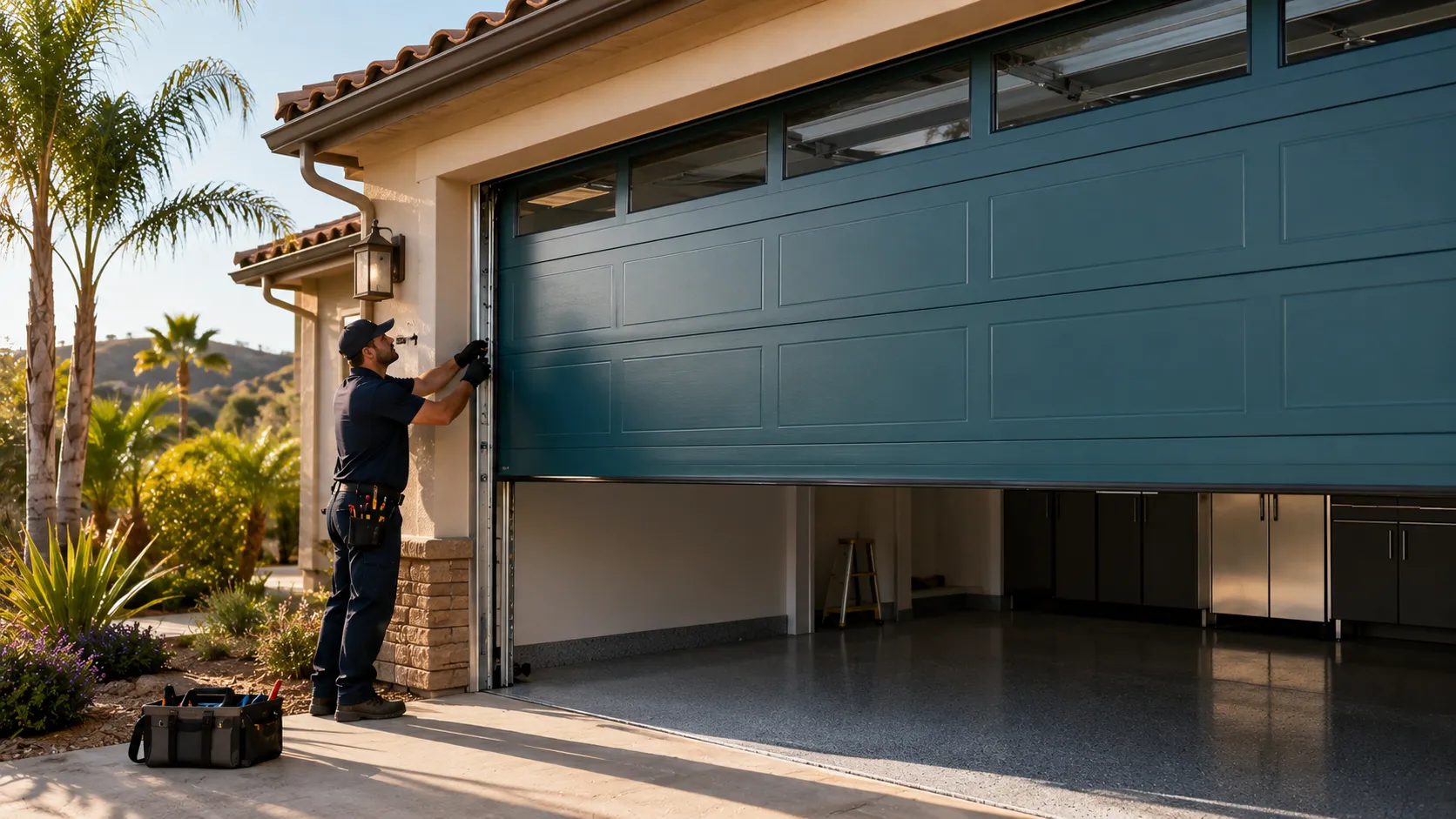
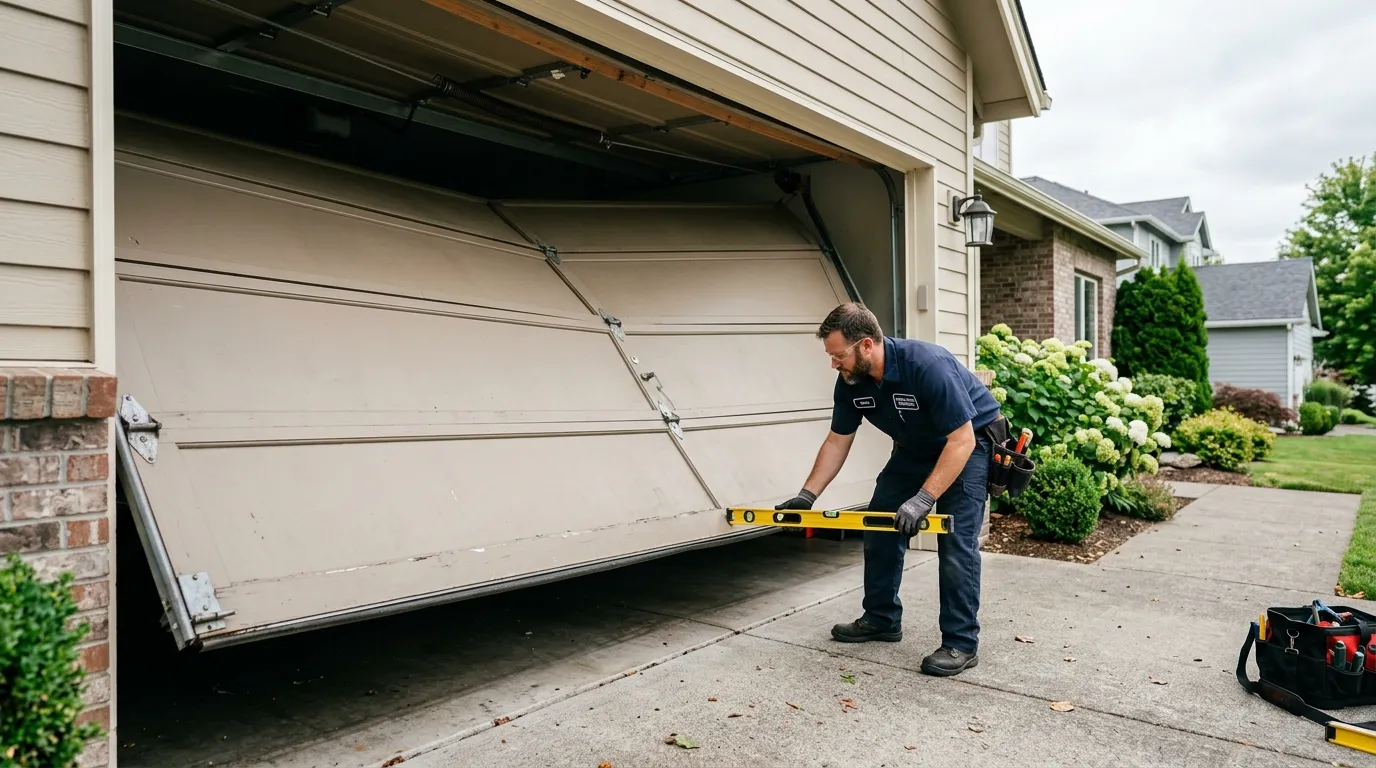
A door that feels heavy to lift by hand, or that the opener strains to raise, usually means a torsion spring has lost tension. Left alone, the other spring in the pair tends to go next, since they wear on close to the same clock when they were installed together.
Wimberley sits in a mild climate with only occasional freezes, so cold isn't the main driver of trouble here the way it is farther north - but on the rare hard-freeze morning, stiff lubricant on an old spring can make a marginal spring fail outright instead of just squeaking. Grinding or clicking from the opener, meanwhile, is almost always a worn gear inside the unit, not the motor itself. The median household income here, $78,351, runs a little below the wider service area's $80,830, which is part of why we default to repair first and only recommend full replacement when the door or opener is genuinely past it.
How it works
From “it’s stuck” to “it’s fixed”
01
Tell us what’s wrong
Describe the symptom - won’t open, loud bang, opener runs but the door won’t move.
02
On-site diagnosis
A technician tests the door under power and by hand and finds what actually failed.
03
Clear, up-front plan
You get the fix that’s needed and what drives the cost - before any work starts.
04
Repaired & tested
The repair is done, the door is set true and tested, and the work area left clean.
Serving San Marcos, TX - tell us what your door’s doing and we’ll take it from there.
No. We're based in San Marcos and drive out to Wimberley, about 12 miles away, for every job. There's no local branch or drop-off point here - the truck comes to you, stocked with the parts that cover most 1990s-era steel doors and openers.
Why does my opener keep reversing before the door closes?
On a house this age, it's almost always the photo-eye sensors near the bottom of the track, either misaligned or wired through a board that's finally failing after roughly 30 years. We check alignment first since it's the cheaper fix, then test the board if that doesn't solve it.
Is it worth repairing a door this old, or should I just replace it?
For most 1990s steel doors, repair still makes sense - springs, rollers, and cables are standard parts we carry, and the door panel itself usually outlasts the hardware. We only recommend replacement when the door is bent, rusted through, or the repair cost starts approaching what a new door would run.
How fast can you get a truck out to Wimberley?
We don't quote a fixed response time for any single town, since it depends on the day's schedule and where else we're headed. Mentioning Wimberley by name when you call helps us route the drive efficiently alongside other jobs in the area.
Ready to get your garage door sorted?
Tell us what it’s doing and where you are in San Marcos - we’ll take it from there.